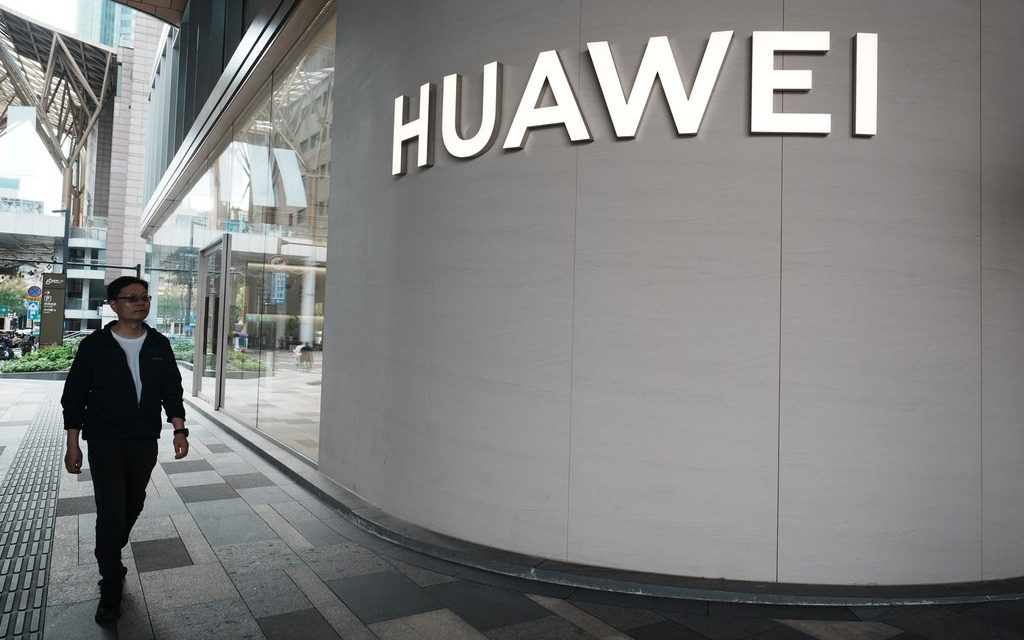
A U.S. jury has found the Chinese technology giant Huawei guilty of conspiring to steal trade secrets and misleading banks regarding its business in Iran. This marks a significant win for federal prosecutors after years of legal proceedings.
In Brooklyn, the federal jury convicted Huawei Technologies and its three affiliates on 10 out of 12 criminal charges following a trial that lasted more than two months. These charges included bank fraud, wire fraud, sanctions violations, and conspiracy to steal trade secrets. While Huawei was acquitted of the racketeering conspiracy charge, suggesting it did not operate as a criminal enterprise, it was also acquitted of obstruction of justice.
Key Allegations and Verdict Details
The prosecution’s case focused on claims that Huawei systematically obtained technology from competitors while deceiving banks and U.S. officials about transactions in countries under American sanctions. Included in the accusations was the sale of routers with source code allegedly copied from Cisco Systems and the unauthorized removal and documentation of a part from a T-Mobile testing robot.
“The tone was set at the top by Huawei leaders and executives who themselves engaged in criminal conduct, like lying to Congress, lying to banks, violating U.S. sanctions and trying to interfere with the very criminal investigation that led to this case,” prosecutor Meredith Arfa stated during closing arguments.
Huawei contests the government’s portrayal of its activities and plans to appeal its convictions. Their attorney argues that the racketeering acquittal challenges the broader government case.
Huawei’s Historical Context
The high-profile case gained international attention when Huawei’s chief financial officer, Meng Wanzhou, faced detainment in Canada following a U.S. warrant in 2018. Accused of misleading HSBC regarding Iran dealings, she returned to China in 2021 through a deferred prosecution agreement, with charges eventually dropped.
Huawei’s Technological Advancements Amid U.S. Blacklist
The U.S. blacklisted Huawei in 2019, limiting its access to American tech due to ongoing national security concerns. Despite these restrictions, Huawei remains active in the global tech arena.
Huawei’s expansion into semiconductors and AI infrastructure has positioned it as a crucial player against U.S. corporations like Nvidia. This competition carries significance, especially in light of recent upheaval at Nvidia.
Jensen Huang, Nvidia’s co-founder, resigned amid revelations of personal affairs, raising national security questions about the involvement of a businesswoman linked to Chinese intelligence allegations. Although he faced no criminal charges, his resignation was brief. Nvidia’s board reinstated Huang on advice from U.S. officials, concluding his return posed no security risk. This reinstatement notably boosted Nvidia’s market value by 31.5%.
Impact and Future Implications
The heightened tensions between the U.S. and China over advanced chip access play into the broader narrative stemming from Huawei’s verdict. As the U.S. restricts AI processors’ exports to China, Huawei’s development in chipmaking underscores its strategic significance to China’s independence from U.S. suppliers.
The financial repercussions for Huawei following the guilty verdict could be enormous. Potential penalties may reach billions, although the precise impact on its international operations, particularly in the U.S., remains unclear.
 Upgrade Your Audio Experience with Apple AirPods Pro 3
 Pentagon Considers $15 Billion Loan to Startup Linked to Trump Jr.
 CIA Unclassified System Breached in Cyberattack
 Criticism and Debate Surround the Reinstatement of Nvidia CEO Jensen Huang
 Cybersecurity Issues Plaguing U.S. Infrastructure
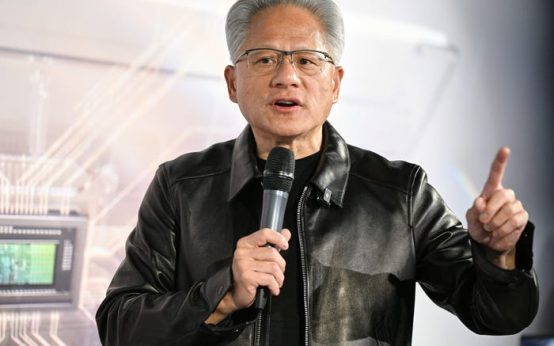 Nvidia CEO Jensen Huang’s Return After Brief Departure