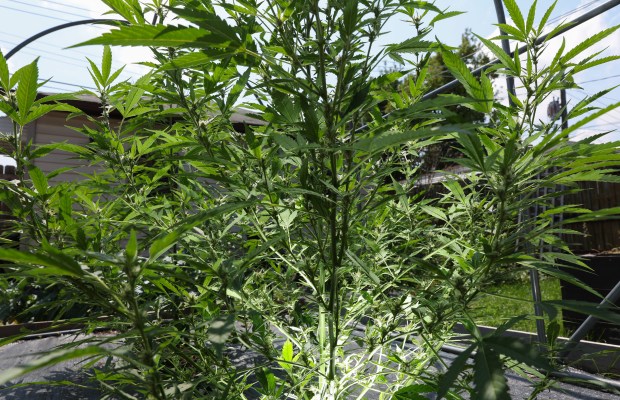
Illinois regulators have proposed allowing cannabis companies to grow cannabis outdoors, which could significantly reduce energy use and cultivation costs. However, this change would not apply to home growers. Current state law mandates that cannabis must be cultivated in an “enclosed, locked” facility. Previously, the Illinois Department of Agriculture interpreted this as a prohibition on outdoor growing, citing security concerns and risks from pesticides drifting into marijuana crops. Now, the agency has proposed a rule change following court approvals won by at least two cannabis companies, and a third lawsuit filed for outdoor cultivation rights.
Outdoor cultivation is already common in states like California and Michigan, where cannabis is legalized. Researchers estimate that outdoor growing could save up to 76% of the energy used in indoor cultivation, supporting Illinois’ carbon emission reduction goals. The change might also lead to lower consumer prices. Scott Redman, founder of the Illinois Independent Craft Growers Association, emphasized the benefits for small growers. Only 31 of 85 licensed craft growers have started operations due to high start-up costs and financing difficulties. Redman noted that outdoor cultivation provides an economical way to expand, potentially avoiding costly investments in lighting and HVAC systems.
The proposed rule change allows licensed cannabis companies and craft growers to cultivate outdoors adjacent to existing facilities, with specific conditions for security and privacy. The area must be enclosed by a chain-link fence at least 8 feet high with razor wire, and screened from public view. The proposal permits outdoor-grown cannabis solely for extraction purposes to produce concentrates for edibles, vapes, and oils. Redman explained that this wouldn’t increase the availability of smokable flower but could benefit small-business infusers by providing more distillate.
The issue gained attention last year when Curaleaf Holdings, the largest cannabis company in the U.S., filed a lawsuit through its subsidiary, Compass Ventures, Inc., proposing outdoor growing in plastic-covered hoop houses. While Curaleaf’s proposal required solid walls and ceilings, company officials are reviewing the new proposed rules, stating they have consistently advocated for cultivating cannabis in enclosed, ambient environments as permissible under current rules.
The new regulations are open to a 45-day public comment period before possible finalization. The Department of Agriculture aims to set clear health and safety standards. The department remains committed to ensuring a safe, equitable, and well-regulated cannabis industry, continually reviewing policies as the industry evolves.
Ironically, hemp, the cannabis plant containing trace amounts of delta-9 THC, is legally grown nationwide. However, intoxicating hemp derivatives face potential bans by federal and state law by November. Initially, Illinois attempted to revoke outdoor greenhouse growing for Green Thumb Industries and Nature’s Grace and Wellness. Both companies won court rulings to continue cultivation in screened houses, unlike the majority of the state’s industry reliant on energy-intensive indoor grows.
The nationwide cannabis industry produces greenhouse gas emissions comparable to 10 million cars. While Illinois’ climate limits outdoor harvests to one or two per year, greenhouses or other coverings can extend growing seasons. The Cannabis Business Association of Illinois, which includes the state’s largest growers and dispensaries, plans to survey members before commenting on the proposed changes. Executive Director Tiffany Chappell Ingram highlighted concerns about how outdoor cultivation may affect pricing, supply, and security.
Currently, home growing in Illinois is restricted to registered medical cannabis patients, who can cultivate up to five plants indoors. Cole Preston, from TheColeMemo.com, reported the outdoor grows and advocates for outdoor growing rights for home cultivators, citing the difficulties and expenses of indoor operations. Madeline Scanlon of High Focus Media supports home growing to help medical patients access cannabis, arguing that outdoor cultivation is cost-effective and manageable with security measures.
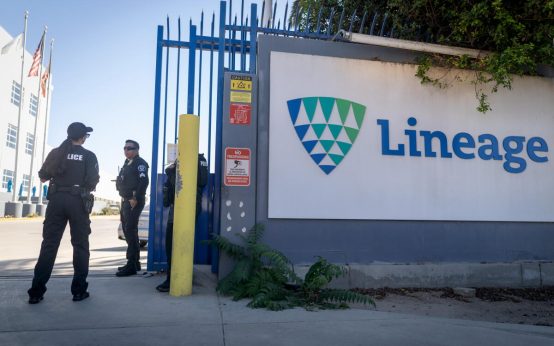 Criminal Investigation Underway at Lineage Cold Storage Warehouse
  Potential of Advanced Nuclear Power in Meeting U.S. Energy Demands
  U.S. Military Exercises in Arctic Highlight Strategic Shifts
 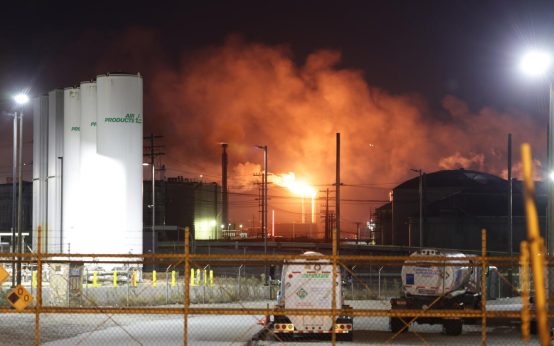 Supreme Court to Hear Landmark Cases on Climate Change and Immigration
 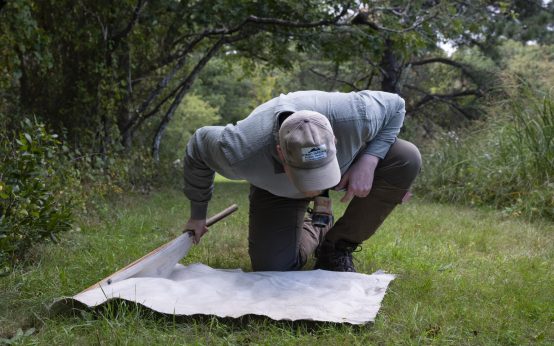 The Growing Threat of Lone Star Ticks on Martha’s Vineyard
  The Growing Threat of Glacial Lake Outbursts and the Urgent Need for Mitigation