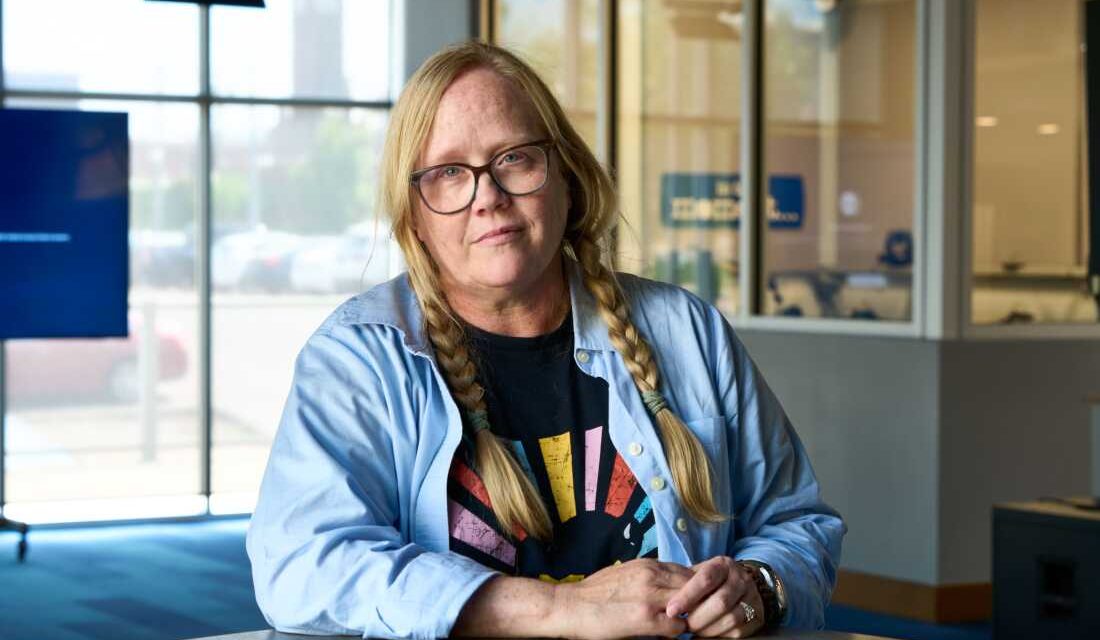
Lori Walsh’s Reinstatement at South Dakota Public Broadcasting
Lori Walsh, previously laid off alongside the cancellation of her public affairs show, returned to South Dakota Public Broadcasting as a podcaster. This change was fueled by substantial listener financial support. A year ago, President Trump initiated a conservative backlash against NPR and PBS, leading Congress to eliminate nearly all federal funding for public radio and television. Consequently, over 500 public media staffers have been affected. Station officials responded with urgency, hope, and anxiety.
Funds constituted a smaller percentage for NPR, but varied elsewhere. Public radio stations relied heavily on federal funding, notably rural ones with fewer donors. After Trump enacted the law, stations like South Dakota Public Broadcasting faced immediate repercussions. Walsh’s popular show ‘In the Moment’ was canceled, and seven out of 11 journalists lost their jobs.
Walsh remembers the difficult period of saying goodbye to esteemed colleagues.
Despite these challenges, Sarah Downs and other executives found unexpected financial support from viewers.
Financial Support Amidst Cuts
Many stations, including PBS, underwent staff reductions. NPR and other stations pursued legal action against Trump, citing unconstitutional orders. This legal challenge was eventually successful, affirming rights related to free press.
Stations like South Dakota Public Broadcasting found donor support, drawing unexpected transparency about their circumstances. This led to record donations enabling Walsh’s return through a podcast aligned with the spirit of ‘In the Moment’.
KSUT in Colorado similarly thrived, using donations for solar panels and an endowment. This success extended to stations targeted by Trump’s policies, revealing strength and adaptability within public media.
Challenges and Adaptations
Tim Black of WNIN in Indiana faced challenges from simultaneous state and federal funding cuts, impacting the operational budget by nearly half. Despite this, member contributions exceeded expectations, preventing significant reserve fund withdrawals.
Efforts from the Public Media Bridge Fund assisted financially, ending WNIN’s year on a positive note. Potential restoration of state funds, voiced by Governor Mike Braun, hint at political openness despite prior tension.
Future of Public Media Funding
Nationally, NPR and PBS affiliation changes remained minor, despite initial fears. Stations adapted by cutting fees or integrating digital advancements. NPR received significant gifts supporting digital transformations and financial aid to stations.
Yet doubts linger over sustainability of philanthropy-driven support, as stations like KCRW readjust to evolving media consumption patterns.
Jennifer Ferro of KCRW emphasized innovative approaches like podcasts and events as key to future sustainability.
One year post-funding cuts, public media stations’ resilience shines. Continual innovation appears critical amidst persisting anxiety over long-term viability.
This report was developed by NPR Correspondent David Folkenflik. Editorial oversight was provided by Emily Kopp and Gerry Holmes, adhering to NPR’s reporting protocol.
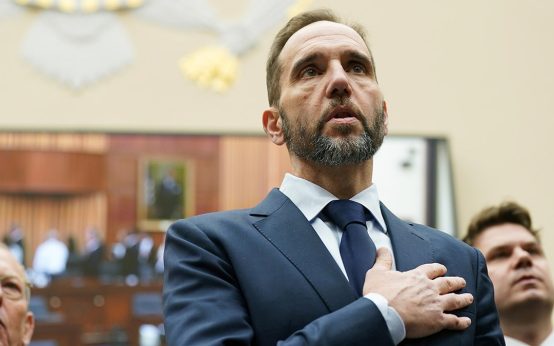 House Republicans Release Transcripts in Jack Smith Investigation
 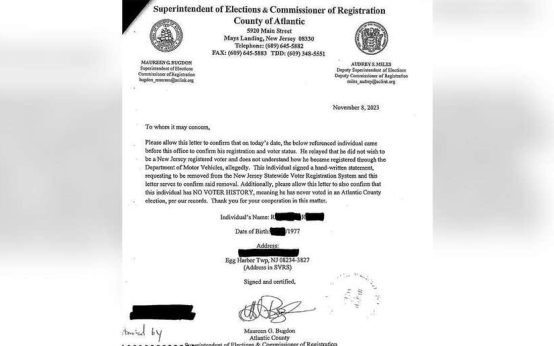 RNC Files Lawsuit for Transparency in New Jersey’s Voter Roll Maintenance
 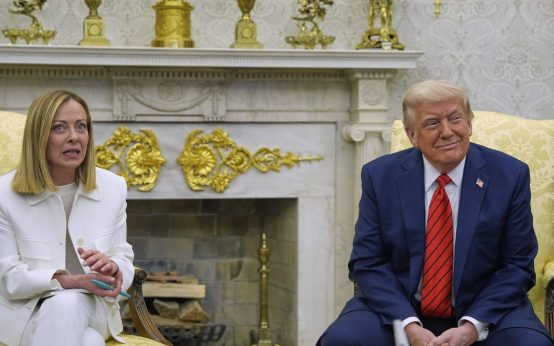 Italian PM Giorgia Meloni Skips UN General Assembly Amid Growing Tensions
  Calls Grow for Ireland’s Soccer Team to Boycott Matches Against Israel
  Congressman Randy Fine’s Bold Political Stance and Views on AI Regulation
  Political Messaging and Strategy Leading Up to Midterms