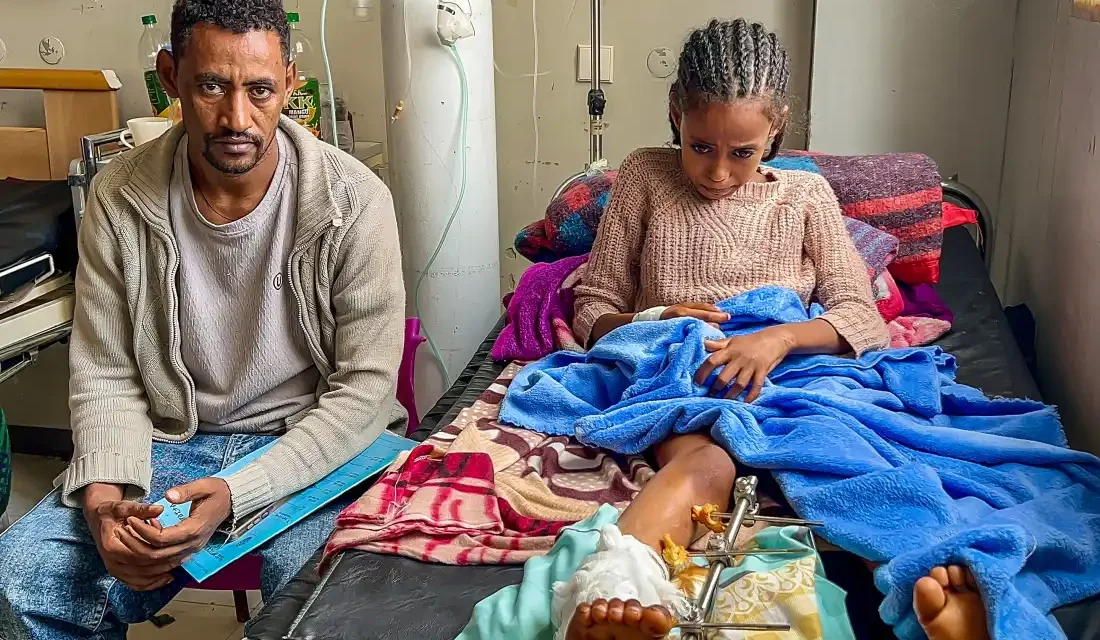
On October 6, 2026, Betelhem, a 10-year-old, lay in Ayder Referral Hospital in Mekelle, Ethiopia, after sustaining injuries during artillery shelling in Alamata. This incident occurred amid recent fighting between the Tigray People’s Liberation Front (TPLF) and federal forces that began on September 23. The conflict has reignited fears of a relapse into the civil war of 2020-2022 and has significantly strained the healthcare system.
Healthcare System Under Strain
A surgeon in Tigray described the situation in late September when a ceasefire that had lasted two years succumbed to violence. With cell networks and electricity disrupted, hospital staff in Mekele struggled to treat the influx of wounded individuals, many of whom were victims of gunfire, drone attacks, and mortar shells. The emergency room overflowed with patients, some civilians, and others in military uniforms. The lack of communication made it difficult for hospital staff to anticipate patient numbers.
Concerns of Civil War Resurgence
The continuing skirmishes have led to allegations by the Ethiopian military accusing Sudan, Egypt, and Eritrea of supporting Tigrayan militants, who have aligned with other rebel groups seeking to oust Prime Minister Abiy Ahmed. The situation escalated after late October drone strikes resulted in 15 deaths, including children. The World Health Organization’s Director-General, Tedros Adhanom Ghebreyesus, expressed concern that the violence threatens an already fragile health infrastructure.
Ongoing Conflict Impacts and International Concerns
Global health experts highlight the growing issue of attacks on healthcare facilities in conflict zones, considered war crimes. WHO data reveals over 960 deaths from such attacks in 19 countries this year. Instances include a major airstrike in Afghanistan and attacks in Sudan, Lebanon, and Ukraine. Concurrently, global health initiative funding has declined following USAID cuts. Lindsey Green from Physicians for Human Rights notes that persistent attacks on healthcare facilities undermine the norm of protecting healthcare in conflicts.
Barriers to Healthcare in Tigray
Though a peace agreement with Tigrayan rebels was signed in 2022, attacks on healthcare continued. A report by Physicians for Human Rights revealed frequent assaults on ambulances and healthcare facilities. These findings underscore an environment where healthcare workers are punished for perceived alliances, leading to impunity for such violations.
The Ethiopian government has not responded to inquiries about these issues. In Tigray, healthcare workers face significant challenges due to lack of resources and foreign aid cuts. One worker reported over 100 childbirth-related deaths in the past year, highlighting the severe state of the healthcare system.
Future Concerns and Challenges
Physicians like Ayoda Werede from Health Professionals for Tigray express concerns that Ethiopia’s healthcare system is overburdened. With many doctors leaving the region and ongoing violence, the capacity to handle new patients is severely compromised. The re-escalation of conflict threatens to further destabilize the fragile health situation.
 Election Signals Strong Message to Washington
 Chicago Bears Trade Deadline Strategy Analysis
 Dear Abby Column Summaries
 Hikers Stranded Overnight in Olympic National Park Due to Storm
 Relationship Dynamics and Responsibilities
 Navigating Family Dynamics