Investing in precious metals like silver is gaining popularity, especially as economic uncertainties and inflation concerns persist. Gold often receives the spotlight, but silver has also seen significant interest, driven by industrial use and renewed investor attention.
For many, a reasonable starting point for investing in silver is with $500—an amount that offers a substantial entry into the market without being inaccessible to average investors. However, understanding how much silver you can purchase with that budget depends on several factors beyond just the current spot price.
Understanding Silver Purchases
At a current spot price of approximately $91.72 per ounce, a $500 investment could theoretically buy around 5.45 ounces of silver. In practice, however, additional costs like premiums affect this calculation. These premiums are the extra costs over the spot price, which vary by product type and market circumstances.
The premiums that accompany silver purchases often influence how far your money can stretch within the market.
Types of Silver Investments
When assessing silver investments, consider the type and format of silver you plan to buy, as different options cater to different priorities. Here is a breakdown:
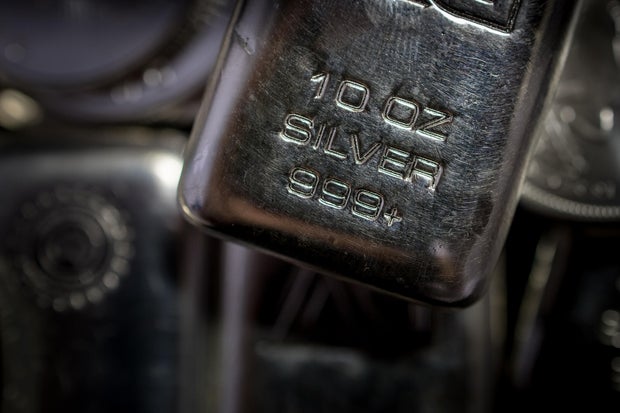
- Larger Silver Bars (10 ounces and up): These bars typically have the lowest premiums per ounce due to efficiencies in minting and handling. Investing in these bars maximizes the metal-to-cost ratio.
- 1-Ounce Silver Bars and Coins: Favored by individual investors, these smaller items are easier to store and sell. They usually carry greater premiums, impacting how many ounces you obtain.
- Government-Minted Silver Coins: Renowned coins like American Silver Eagles demand the highest premiums due to their recognizability and liquidity in the market.
Each type has its advantages, whether it’s maximizing your silver holdings, allowing for flexible resale, or ensuring easy recognition in trade.
Making Informed Decisions
Your goal should align with the type of silver you choose. Large bars are preferable for maximizing silver for long-term holding, while smaller bars offer resale flexibility. Should ease of trade and widely accepted currency matter, then opt for government-minted coins despite higher entry costs.
Shopping around is crucial as dealer markups can vary. Especially during high demand, some dealers inflate premiums more aggressively than others, so examining various offers can enhance your purchasing power.
Conclusion
With a spot price of $91.72 per ounce, a $500 investment in silver can be meaningful. Your silver acquisition will likely be determined more by premiums than daily price fluctuations. Larger bars offer the most for your investment, while smaller pieces and coins provide greater flexibility and market acceptance. By understanding these dynamics and comparing dealers, you position yourself to make a savvy investment decision.