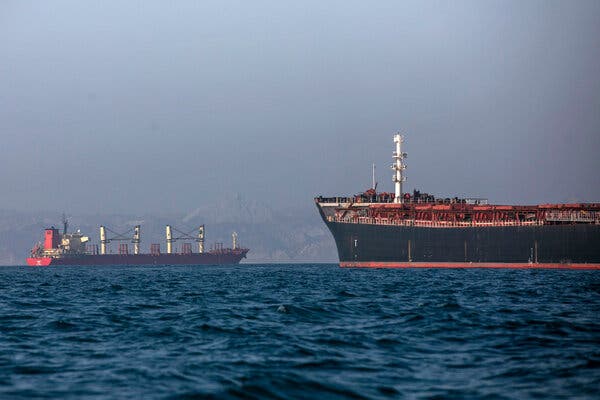
Iran is attempting to charge for passage through the Strait of Hormuz, a strategic transit point where one-fifth of the world’s oil and gas flows. This proposal has unsettled the shipping industry, though experts believe it’s unlikely to be implemented.
Impact on International Shipping: According to analysts, charging for passage violates international shipping rules, which maintain that countries cannot impose fees for safe passage through international waterways. Despite the low likelihood of this proposal succeeding, it has placed additional pressure on companies with vessels and workers stuck in the Persian Gulf due to ongoing conflict.
The concern is that Iran could potentially influence traffic flow through the strait even after hostilities end, affecting the global economy,
experts warn. Tehran’s attempts to leverage this geographic choke point have brought the U.S. to a standstill.
International Response: Arsenio Dominguez, head of the International Maritime Organization, has firmly rejected the idea of toll payments, asserting the importance of freedom of navigation. Mr. Dominguez stated, I’m not entertaining conversations relating to mandatory tolls,
emphasizing that such measures would exceed permitted navigation rights.
These developments emerged following discussions between Iran and Oman, a U.S. ally bordering the strait, about a potential fee system. Observers remain concerned about the long-term economic implications if Iran succeeds in influencing passage controls.
 Conservative Abelardo de la Espriella Sworn In as Colombia’s President
  Continued Russian Attacks on Kiev and Regional Impact
 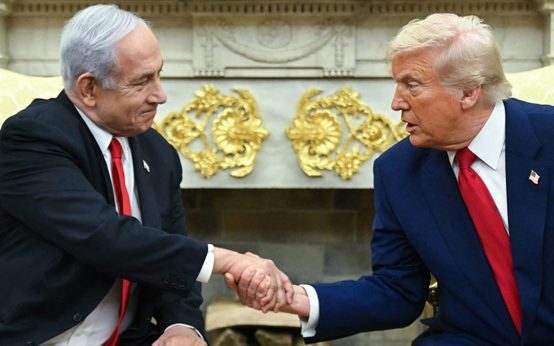 15 Years of Strengthening U.S.-Israel Ties
  Elon Musk’s Plan to Expand Starlink’s Role in Ukraine
  Russian Strikes Result in Fatalities Near Kyiv
  Puerto Rico Implements Water Rationing Amid Drought