The Strait of Hormuz holds historical significance for Iran. Famously, some say it is named after a Zoroastrian deity awaiting victory after a long standoff. Iran’s leadership now feels their win is near, not requiring the same patience. They believe military pressure could compel the United States to accept their control over this vital global waterway.
Iran understands the challenges the U.S. faces. They know about diminishing U.S. missile interceptors and the unpopularity of the war among Americans. With the strait mostly closed, gas prices remain high, affecting U.S. politics. They also know forceful reopening could be costly for the U.S. and involve ground troops. Iran’s allies in Yemen could complicate matters further.
Despite confidence, Iran recognizes the risks. President Trump cites strikes that have impacted Iran’s leadership and military. His statements alternate between threats of escalation and claims of successful talks. Iran’s economy suffers partly due to a U.S. blockade. Recent protests indicate domestic instability.
Iran claims its effective control of the strait offers leverage with regional countries.
Iran’s proposed deal with Oman aims to manage the strait, contingent on the U.S. lifting its blockade. This would formalize Iran’s control over a significant international waterway. Though uncertain if the deal would allow charging fees, it positions Iran favorably. Abdolreza Davari notes this control as a security guarantee. However, it challenges global norms on navigation freedom.
China, a key player buying oil from Iran, insisted in May on restoring safe passage through the strait. Using Trump’s geopolitical strategy, Iran feels it holds leverage. Mahdi Mohammadi, advising Iran’s chief negotiator, conveyed on social media that Iran favors an enemy defeat over agreements. Iran has declared the strait will not revert to open access, threatening ships without its permission.
Iran’s use of the strait serves as a deterrent and influences Persian Gulf security dynamics.
Resolving the war and Iran’s nuclear dispute remains challenging. The atomic issue’s sidelining benefits Iran, according to analyst Rahman Ghahremanpour. Control over the strait strengthens Iran’s negotiating position in potential nuclear talks. Still, the economic impact worsens domestically. U.S. and Israeli strikes disrupt Iran’s industry. The blockade limits oil exports. Food prices soar, and infrastructure threats loom.
December’s protests, fueled by a currency crisis, highlight domestic discontent. Iran’s government responded harshly, fearing further unrest. Even moderates around President Masoud Pezeshkian worry about overreaching. Mohammad Javad Zarif, former foreign minister, noted the diplomatic opportunity achieved through the war. But without a deal, economic recovery challenges and potential unrest persist post-U.S. elections.
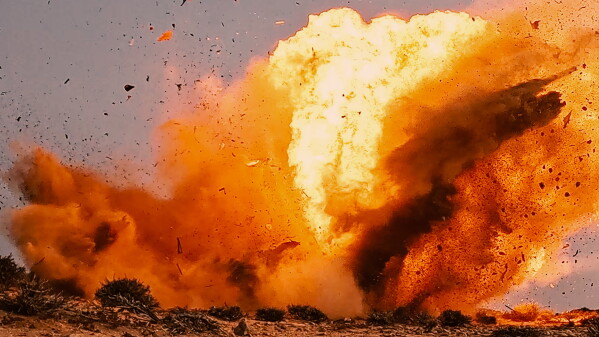
The conflict began with February airstrikes that emboldened rather than defeated Iran’s leadership. Iran leverages the strait to project strength, reinforcing legitimacy at home. Yet, the strategy tests Iran’s resilience. Economic decline could prompt unrest, and a deal with the U.S. may become necessary eventually. For now, however, as Davari asserts, Iran resists retreat despite economic difficulties.
Associated Press reporter Hend Kortam in Cairo contributed to this report. Krauss has reported extensively from the Middle East, including postings in Cairo, Baghdad, and Jerusalem. Radjy is a Cairo-based journalist covering Iran for over a decade.
 Suspected Plague Outbreak in Siberia: A Detailed Report
  G7 Nations Agree to Release 100 Million Barrels of Oil Amid Rising Fuel Prices
 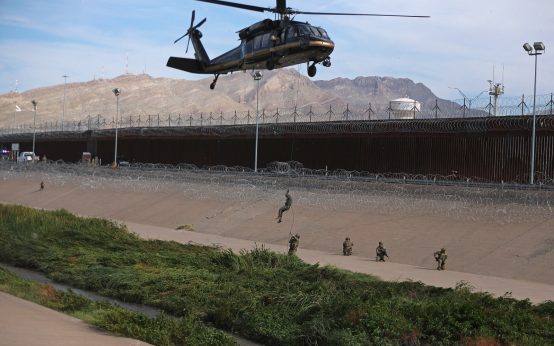 U.S. Initiates Military Reinforcement at Mexico Border
  Attempted Hijacking on FlyDubai Flight 1073
  Former U.S. Rep. David Rivera Sentenced to 10 Years for Secret Lobbying
 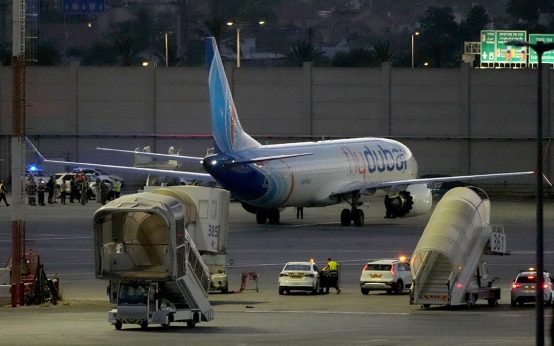 Investigation on Alleged FlyDubai Hijacking with Possible Terror Link