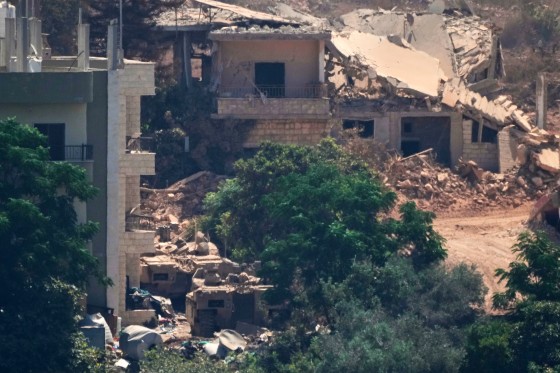
The Israeli army conducted strikes in southern Lebanon on Wednesday. This action was a response to what Israel called Hezbollah’s breach of a ceasefire agreement. Israeli military vehicles were visible stationed among homes in Zawtar al-Sharqiyah, a village occupied by Israeli forces. This activity could be seen from the southern Lebanese village of Zawtar al-Gharbieh.
On Thursday, the Israeli military announced that two of its soldiers were killed in an explosion in southern Lebanon. These were the first Israeli casualties since a fragile truce with Hezbollah was established in June. The army reported that four other soldiers sustained serious injuries. This incident had been reported by Israeli media the previous day. A military official, who wished to remain anonymous, stated that the explosion occurred when soldiers entered a site in the village of Majdal Zoun. The specific nature of the explosive is still being determined.
Following the explosion, the Israeli army executed strikes in southern Lebanon on Wednesday. Israel justified these attacks by citing Hezbollah’s ceasefire violations. Israel also instructed residents of Mansouri village to evacuate, marking the first such warning issued in Lebanon in weeks. Hezbollah did not release an immediate response to these developments.
This escalation coincided with Lebanese and Israeli negotiators meeting in Rome. Their discussions centered on implementing a deal reached on June 26. The agreement called for the withdrawal of Israeli forces from occupied areas in southern Lebanon, allowing the Lebanese army to assume control. In return, Hezbollah was expected to disarm. However, Wednesday’s escalation prompted an early end to the talks, which were scheduled to resume on Thursday.
According to Lebanon’s Health Ministry, an Israeli strike in the town of Tebnine resulted in one death and injured 12 people on Wednesday. The state-run National News Agency reported additional injuries from overnight strikes on Burj al-Shemali village, though the exact number was not specified. Artillery shelling also targeted Mansouri and Majdal Zoun areas.
The latest conflict between Israel and Hezbollah began on March 2. Hezbollah fired rockets two days after the U.S. and Israel launched attacks on Iran. Israeli strikes on Lebanon have since killed over 4,000 people, including many civilians. On the Israeli side, approximately 40 soldiers and three civilians, including a military contractor, have died.
Though a shaky truce has mostly held since June 20, Israeli forces continue to occupy sections of southern Lebanon. They periodically conduct airstrikes and shelling in the area. The ongoing Rome talks have focused on establishing “pilot zones” where Israeli forces would withdraw to allow the Lebanese army to take control. Implementation of the first pilot zone began last month in an area previously subjected to Israeli fire. The Lebanese army entered Zawtar al-Gharbieh town, with some civilians returning. However, many found their homes destroyed and left again.
A diplomat involved in the negotiations, who asked to remain anonymous, stated that Lebanon had requested to secure either Khiam or Bint Jbeil towns. Both towns experienced heavy fighting during the latest conflict and remain occupied by Israeli forces. U.S. Ambassador to Lebanon Michel Issa cautioned that implementing new pilot zones immediately could endanger civilians the process intends to protect.
 Federal Appeals Court Decision Against Trump’s ‘Third-Country’ Deportation Policy
  Ed Sheeran’s Philadelphia Concert Amid Controversy
 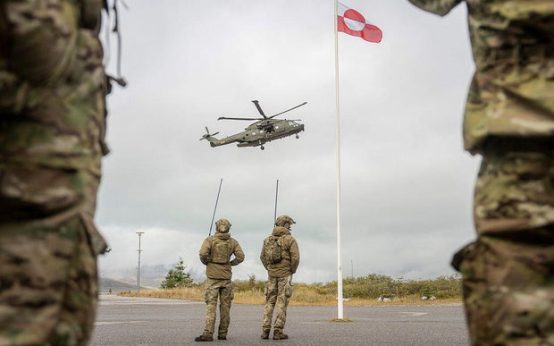 U.S. Secures Strategic Control Over Greenland
  U.S. Security Agreement in Greenland Sparks Optimism and Concerns
 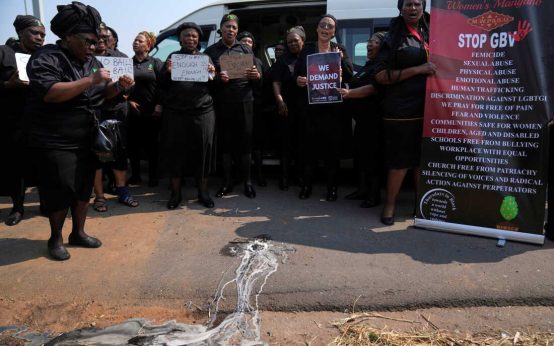 Impact of Gender-Based Violence in South Africa
 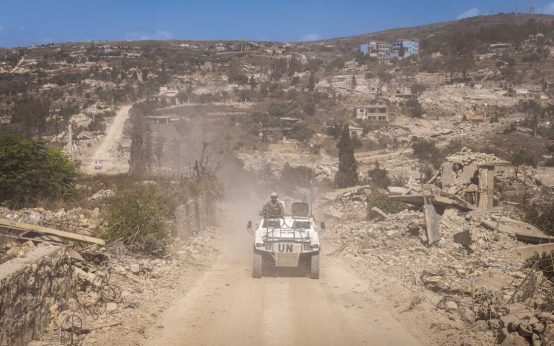 UNIFIL Operations in Southern Lebanon Amidst Ceasefire Challenges