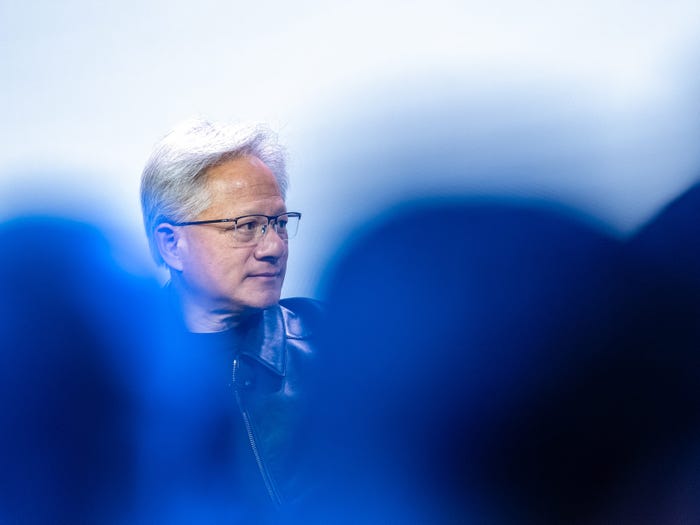
Nvidia’s journey from a modest start to an AI powerhouse owes much to its former CEO, Jensen Huang. Over 33 years, Huang transformed Nvidia into a pivotal player in the AI landscape. However, recent personal revelations led to his resignation, raising questions about the company’s future without him.
Building Nvidia
Huang’s entry into technology began humbly. From cleaning schools to becoming a key figure in Silicon Valley, his ascent was remarkable. He leveraged Nvidia’s gaming chips to fuel the AI boom, collaborating with significant figures in the AI ecosystem and even engaging with President Donald Trump.
Although he built a family-based public image, revelations of extramarital affairs tarnished this perception. His resignation means Nvidia must now prove its resilience without his strategic leadership.
The Tumultuous Week
A tumultuous week led to Huang’s admission of infidelity and questions surrounding potential foreign-intelligence operations against him. With his departure, Colette Kress has taken over as interim CEO, and Nvidia’s board is searching for a permanent successor.
Huang’s wife, Lori, played a significant role behind the scenes, influencing his public image and family dynamics, which now face scrutiny.
The Strategic Leader
Huang, known as the ‘godfather of AI’, saw potential in GPUs’ ability to manage thousands of tasks simultaneously. Under his guidance, Nvidia’s CUDA software became integral to various industries, cementing its market position.
As the face of Nvidia, Huang was both engineering expert and charismatic promoter, making public appearances in his iconic black leather jacket. Conferences featuring Huang were major events, and his advocacy for AI technology was influential.
Nvidia’s impressive market growth, highlighted by a surge to $5 trillion, speaks to Huang’s impact. However, following the affair revelations, the company saw a $500 billion dip in value.
Nvidia’s Culture
Huang’s leadership fostered a distinctive corporate culture. This flat management approach allowed for continuous reinvention, yet maintained high demands on employees. As Nvidia rose to prominent status, Huang’s strategic involvement was key.
Huang balanced his technical expertise with diplomacy, maintaining relationships on both national and international levels. Nvidia’s central role in global AI development meant Huang’s presence was essential.
Future Challenges
Despite Huang’s departure, Nvidia’s foundational position in AI infrastructure positions it for continued importance. Investors now face the challenge of maintaining growth amid rising competition from AI hardware developed by major tech companies like Google and Amazon.
The technological landscape, including regulatory challenges and infrastructural demands, presents potential obstacles. Nvidia’s future leadership will need to navigate these while maintaining its competitive edge.
Huang’s strategic insights and industry connections are challenging to replace, raising investor concerns about Nvidia’s continued success.
The company’s pivotal role in AI places much on the line. With changing dynamics, Nvidia must find ways to sustain its leadership amidst evolving global AI competition.
 Microsoft Services Experience Widespread Outage
 Nvidia Faces Uncertainty as CEO Jensen Huang Resigns
 Nvidia Transitions Leadership with Harvey Jones as Chair of the Board
 Ian Buck’s Influence on Nvidia’s Future
 Update on Current Events: Technology, Health, Labor, and More
 Potential Democratic Moves to Regulate Data Centers After Midterm Gains