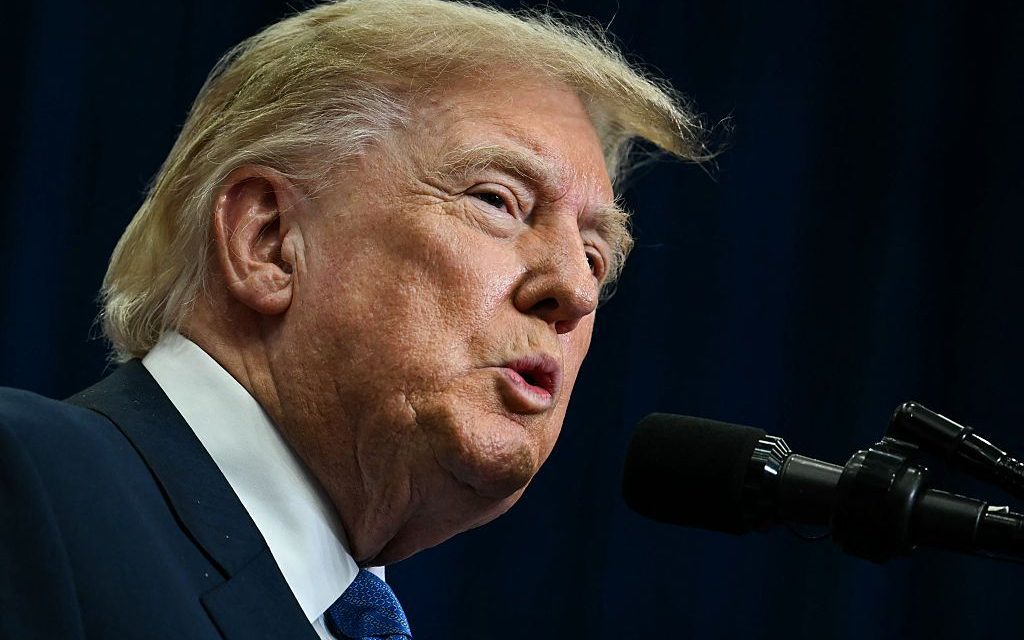
A federal judge has once again denied President Donald Trump’s efforts to overturn his New York hush-money conviction. The decision was made on Friday, as the judge refused to move the case to federal court or dismiss it based on presidential immunity.
Trump’s Legal Setback
This ruling leaves Trump’s felony conviction in place while he challenges the case during his presidency. U.S. District Judge Alvin K. Hellerstein dismissed Trump’s renewed arguments, stating they were “neither new nor legally sufficient.” He emphasized that Trump “has failed to show good cause and diligence.” This marks the third instance where Hellerstein has rejected Trump’s attempt to shift control of the case away from New York courts.
Reasons Behind the Judge’s Decision
The judge noted no reason to reconsider arguments already rejected, including Trump’s assertion that his conviction should be voided linked to his presidency. Hellerstein’s order stated that Trump’s latest filing did not offer anything that would change the court’s previous conclusions. The court sees these repeated motions as attempts to relitigate settled issues, not present new evidence or legal theory.
The decision also highlights the separation between Trump’s federal role and the state-level actions central to the case. Trump was convicted in New York in 2024 on 34 felony charges of falsifying business records tied to reimbursements to his former lawyer, Michael Cohen, for a payment to Stormy Daniels. Hellerstein has consistently ruled that these acts were personal, not presidential, and thus not eligible for federal removal.
Implications for Trump’s Conviction
The ruling does not alter his sentence, an unconditional discharge issued earlier this year, but it upholds the conviction as Trump continues to appeal. Trump’s legal team argued the conviction should be erased as it allegedly interferes with federal authority, and that he should be immune from prosecution for political campaign-related conduct. Hellerstein’s ruling rejects these arguments again, leaving Trump to seek relief through state appellate courts.
The conviction originates from a case started years before Trump’s return to the White House. Manhattan prosecutors accused Trump of falsifying business records to hide reimbursements to Cohen, who paid Daniels $130,000 during the 2016 campaign. A jury found Trump guilty on all counts in May 2024, making him the first U.S. president convicted of a felony.
 Jacques Doucet: A Pioneer of French Baseball Broadcasting
 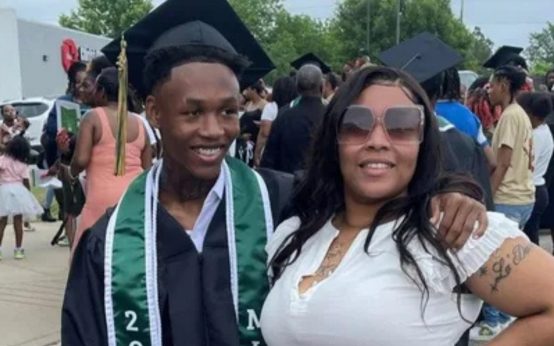 Questions Arise After Autopsy of Memphis Shooting Victim
  Delta Flight Diverted Due to Mid-Air Medical Emergency
 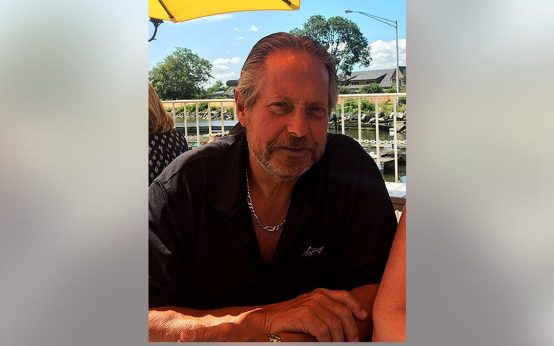 Search Underway for Missing Man in Adirondack Mountains
  US Olympic Hockey Teams Celebrated at White House After Historic Wins
  Ohio Wedding Brawl Ends with Arrests and Injuries