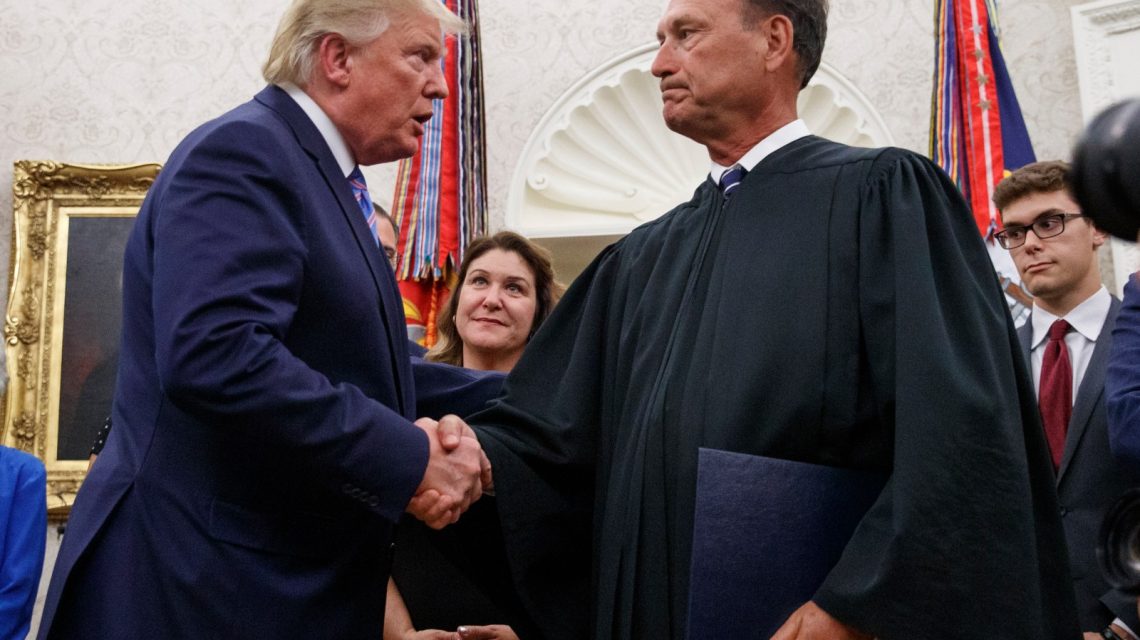
Supreme Court Justice Samuel Alito asserts that he will decide cases based on his interpretation of the law, not in alignment with President Donald Trump or public expectations about the Supreme Court’s impartiality. During an interview with The Wall Street Journal, Alito dismissed suggestions to change his judicial approach solely to avoid appearing politically aligned with the president.
“I vote in every case the way I think the case should be decided,” Alito stated. “If that means a high correlation with what Trump wants, fine. If it means zero correlation, that’s also fine.” He believes it would be “absolutely wrong” to deliberately rule differently to project objectivity. “I’m not going to do that,” Alito emphasized. “I’m going to decide them all the way I think they should be decided. I explain why I’ve done it. People can agree, people can disagree.”
This interview comes amid growing focus on the Supreme Court and speculation about its future. NPR’s incorrect report earlier this summer about Alito’s potential retirement was later corrected but generated substantial attention about Trump’s chance to nominate a new justice.
Alito clarified his intentions by saying, “Obviously I’m here for another term.” On being asked if suggestions for his resignation bothered him, he remarked, “It’s not pleasant, it’s a reminder of mortality,” comparing such calls to vultures flying above. “But it goes with life tenure,” he noted.
Alan Dershowitz, a constitutional law expert, expressed his agreement with Alito’s stance, hoping the justice remains on the Court. President Trump praised Alito as a “great justice” and stated his readiness to nominate another should the occasion arise, noting, “When you mention Alito, he is a great justice.”
Alito’s comments challenge the criticism that external political perceptions should sway his judicial decisions. He argues each case should be addressed based on what the law necessitates. Recent polling shows the Supreme Court’s approval rating remains below its historical peaks, with individual justices receiving sharply divided favorability ratings based on partisan lines.
A Marquette Law School Poll indicates 47 percent of adults approve of the Supreme Court’s performance, while 53 percent disapprove. Approval ratings vary drastically, with 74 percent of Republicans approving, compared to 35 percent of independents and 22 percent of Democrats.
Alito’s interview included his defense of a “practical originalist” approach to constitutional interpretation. This approach prioritizes fidelity to the Constitution’s original public meaning, cautioning against broad interpretations beyond the framers’ understanding. “You can take an important principle in the Constitution, like equal treatment,” Alito explained. He warned that viewing the principle at a generalized level might impose contexts not envisioned by those who adopted the provision.
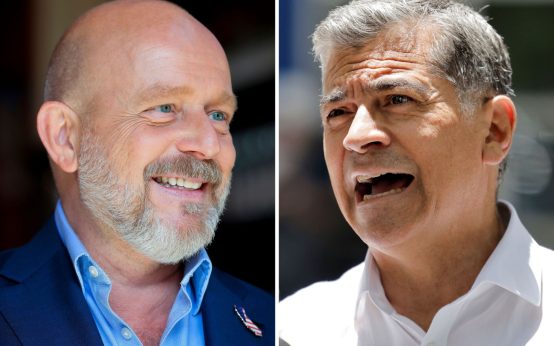 Becerra and Hilton Debate Marks Crucial Moment in California Governor Race
 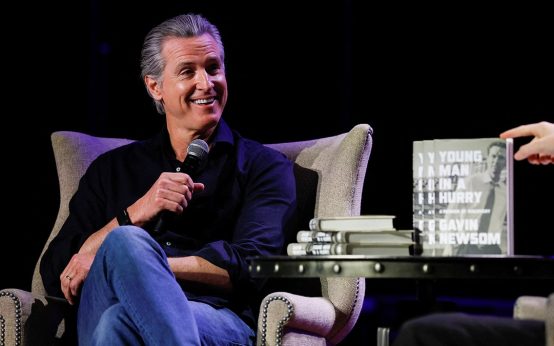 Gavin Newsom’s Political Vision: Learning from Bill Clinton
  Conservative California Candidate Faces Union Criticism
  Trump Promotes Long-Term Investment Amid Economic Concerns
  Defense Secretary Pete Hegseth’s New Pentagon Initiatives
  Physicians Urge Senate to Reject FDA Nominee