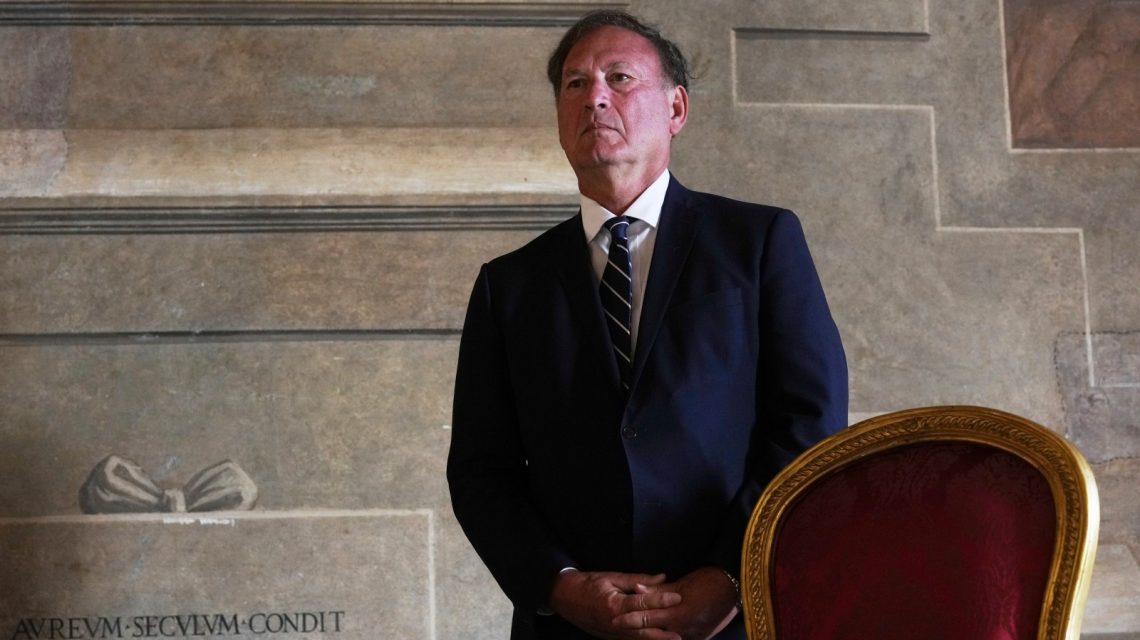
U.S. Supreme Court Justice Samuel Alito has stepped back from a significant climate-change case. Initially, the court had stated he had no reason to recuse himself from Suncor Energy v. County Commissioners of Boulder County.
The lawsuit is watched closely, as it may set precedents for holding oil and gas companies financially responsible for climate-related damages. NBC highlighted this decision as a major shift.
Alito’s withdrawal aligns with earlier concerns regarding his participation in related cases. Newsweek sought the Supreme Court’s comments on this development. The importance of the case stems from its potential to determine the ability of state and local governments to pursue climate-damages lawsuits against fossil fuel companies within state courts.
More than two dozen entities have filed similar lawsuits seeking compensation for climate change expenses. Oil companies argue these claims are overshadowed by federal law.
The ethical implications around the Supreme Court have become a focal point. Alito faced scrutiny over his links to the energy sector, with environmental groups questioning his financial interests.
With Alito’s recusal, eight justices will examine the case. A 4-4 split could uphold the lower court’s decision.
What the Lawsuit Is About
Boulder County, alongside the City of Boulder and Colorado’s San Miguel County, initiated a lawsuit against giant energy firms such as ExxonMobil and Suncor Energy. These local governments argue for compensation to cover climate change-related damages, including floods, droughts, and wildfires.
The plaintiffs assert that fossil fuel companies have acknowledged climate risks for decades but chose to mislead the public about them. They emphasize not seeking to manage emissions or form national energy policy but rather pursuing traditional state-law claims for local harm.
Oil companies counter that climate change is globally regulated by federal law, suggesting that national control over emissions preempts Colorado’s local claims. The Supreme Court’s role is to assess federal law’s scope over these state-law claims, shaping future climate-related lawsuits.
Why Did Alito Recuse Himself?
Justice Alito’s recusal emerged following criticism from ethics watchdogs. Reuters reports Alito’s previous recusal from a related litigation stage due to his stock ownership in ConocoPhillips. Later, when broader appeals came forward, the court suggested Alito had no financial interest, thus clearing him to participate.
The Center for Climate Integrity and Consumer Watchdog reinforced calls for his recusal. They argue that his investments in oil companies raise concerns. Alito’s presence in the case could undermine confidence in the court’s fair conduct.
Consumer Watchdog’s analysis indicated conflicts concerning his stock in ConocoPhillips and Phillips 66. These holdings, combined with prior recusal actions, suggest potential conflicts and justified withdrawal from the proceedings.
The Center for Climate Integrity emphasized that stepping aside preserves the court’s credibility.
Contact Newsweek editors Gabe Whisnant and Dave Siminoff for more insights.
 Challenges Facing President Trump: Nuclear Issues, Climate Crisis, and AI
 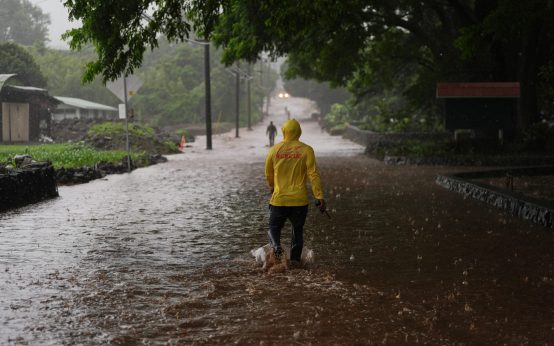 Hurricane Polo Threatens Baja Peninsula; Hawaii Braces for Nolo
  Fuel Efficiency Standards Rolled Back
  Marram Grass Transplantation at Indiana Dunes State Park
 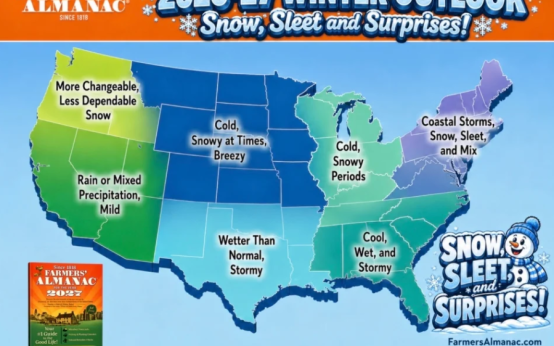 Winter Weather Forecasts for 2026-2027
  Oregon’s Unprecedented Wildfire Season: A Call for System Change