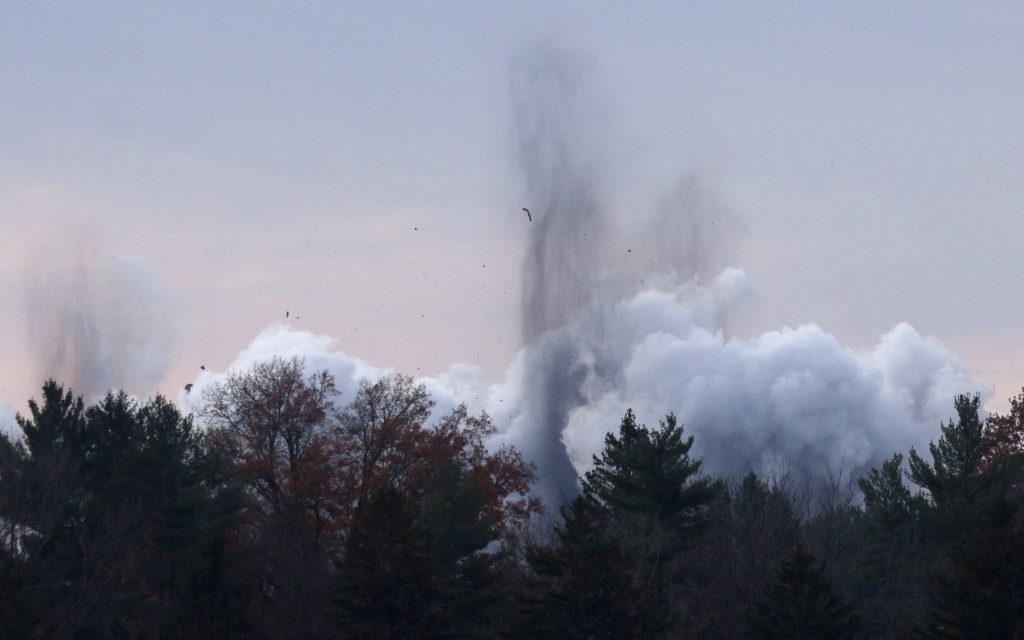
The US Army successfully detonated an aging stockpile of lead azide, alleviating fears of environmental contamination. However, the way the federal government communicated its plans remains under scrutiny. The US Environmental Protection Agency (EPA) reported that about 300 personnel collected samples from schools, playgrounds, churches, and homes across the area. Preliminary results are expected to be released soon.
Over 1,500 pre-detonation samples were taken from air, water, soil, and dust. Post-detonation sampling included homes and parks. The EPA has noted zero airborne lead detected since the controlled detonation, offering some reassurance. Nonetheless, residents and officials have criticized the Army for its apparent lack of transparency and delayed notifications when the stockpile’s instability was first detected.
Plans to neutralize the stockpile were posted online last fall, followed by a plant closure in March and an October meeting warning of the need to detonate the chemicals soon. Despite being informed, the broader public and elected officials only caught wind of these plans shortly before the detonation.
Local knowledge of the situation existed in Middletown, where the stockpile was stored. The town’s mayor and residents claim awareness and preparedness since March, having been briefed and shown bunker photos by the plant commander. A working group formed in January eventually led to a public meeting in October attended by approximately 200 residents.
Environmental concerns delayed the original November 20 detonation date. Critics argue the Army failed to adequately inform downwind communities about potential contamination risks. In response to significant public concern, the Army incorporated more safeguards, including additional barriers and sampling measures.
The EPA issued advisory notices on permitting as early as May, but these seemed to slip through the cracks of public awareness. Iowa’s governor’s office remained silent on whether it had prior knowledge of the shutdown or advisories. Some state lawmakers expressed surprise at these developments.
Lawmaker Josh Turek criticized the inadequate communication and transparency throughout the planning process, leaving many confused and fearful. Conversely, Republican Iowa House Leader Bobby Kaufmann noted concerns about the Army’s handling of notifications. Senator Joni Ernst echoed the need for greater transparency from the military.
Political finger-pointing ensued, with Senator Chuck Grassley promising to seek further answers and clarify the Army’s decision-making. The pause in proceedings allowed the Army time to bolster safety measures beyond initial protections like dirt barriers and walls of water.
A significant portion of the lead azide stockpile was transferred to Iowa in 2009, with documentation raising early concerns about its stability. Contractors maintained the barrels by replenishing a water-ethanol mixture. With crystal formations on the barrels, handling became dangerous, leading to the decision that detonation was the safest method.
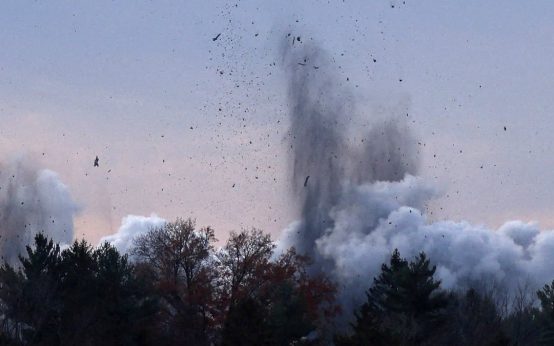 EPA Assesses Impact After Iowa Chemical Detonation
 Divisions Over Fossil Fuels Impact COP31 and 2028 Olympics
 WWE’s Drew McIntyre Reflects on Pro Wrestler’s Death
 U.S. Military Disables Vessel in Gulf of Oman Amid Iran Tensions
 Latest Updates: Global Console Shortage, New Zealand’s Political Shift, and Extreme Tides in California
 Record High Tides and the Impact on California Coastline