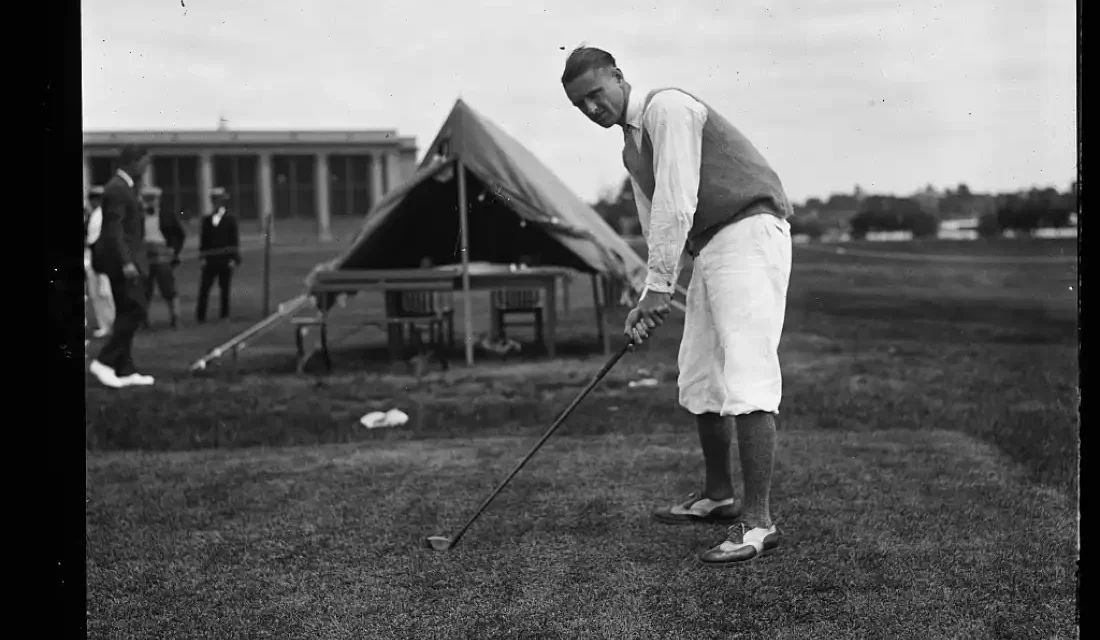
East Potomac Park in Washington D.C. remains open thanks to a restraining order issued by Federal Judge Ana Reyes. Despite the Trump administration’s plans to close the park, runners and cyclists still have access. However, the golf course is noticeably without the flags marking the holes and missing some regular players.
Judge Reyes issued the order late on a Saturday, temporarily keeping the park open for two weeks, just before the National Park Service intended to restrict access. The government’s lease with the National Links Trust, responsible for operating the golf course since 2020, ended the following day. Reyes did not compel the government to continue golf operations but indicated she might consider it in the future. “Defendants cannot use the absence of golf operations as a reason to exclude the public,” Reyes noted in her order.
Her decision came amid criticism of the government’s rationale for the park’s closure, which she labeled as “pretextual” and “arbitrary.” Concern over the closure arose from local preservationists and golfers who filed a lawsuit in February. They argued that closing the park would harm those who enjoy it daily.
As the park faced its potential closure, protesters rallied against the decision. President Trump, in response, criticized Reyes’ ruling and plans to appeal. The White House directed inquiries to Trump’s comments.
The National Park Service and Interior Department have not commented on the future of the golf course. Trump’s vision involves redeveloping the existing structure into a championship-level course. Architect Tom Fazio’s design proposes replacing the three existing courses with a single 18-hole layout, spanning nearly the entire peninsula of East Potomac Park.
This proposal receives backlash for potentially reducing accessibility for beginners and raising costs. Currently, the course fees are between $17 and $48, with no clarity on future pricing under the new design, other than assurances of local discounts. Concerns also focus on the elimination of the perimeter road and grassy areas, impacting runners, cyclists, and picnickers.
East Potomac Park has a rich history, initially established as a public venue in 1897. It serves various recreational needs, such as golf, tennis, and more. The park is vital for inclusivity, welcoming golfers of all backgrounds and abilities. The first 18-hole course by Walter Travis, built during the “golden age of golf,” embraced this inclusivity.
Historically, the park faced issues of racial segregation. In 1941, a breakthrough protest led to the integration of the golf course, marking a significant step towards equal access to public spaces. Judge Reyes has highlighted the park’s historic importance throughout the legal proceedings.
Despite changes over time, the park continues to serve its original purpose of providing affordable public golfing opportunities. The proposed redesign threatens this purpose by possibly increasing costs and reducing beginner-friendly options. Local critics compare the current fees to more expensive municipal courses elsewhere, fearing a similar trend.
Reyes noted discrepancies in the government’s handling of the park’s future, including the sudden cutting of trees and contradictions between legal statements and social media. She questioned why the National Park Service couldn’t renew its lease with the current operator, especially given its trust in the operator to manage other courses.
Future discussions will focus on whether the court can require the government to keep the golf course operational to maintain the park’s status quo. Both parties have been asked to provide briefings on this matter.
 Carmelo Anthony’s Defense of Baltimore Sparks Controversy
 Thanksgiving Remembrance: A Family’s Tribute to NYPD Detective Wenjian Liu
 Developments in Bar-tailed Godwit’s Migration, Trump-Cornyn Dispute, and Measles Resurgence
 Princeton Student Detained by U.S. Immigration After Conference
 Schaumburg Staff Settle into New Village Hall
 Clarification of Policy on LGBTQ+ Discussions in Liverpool Central School District