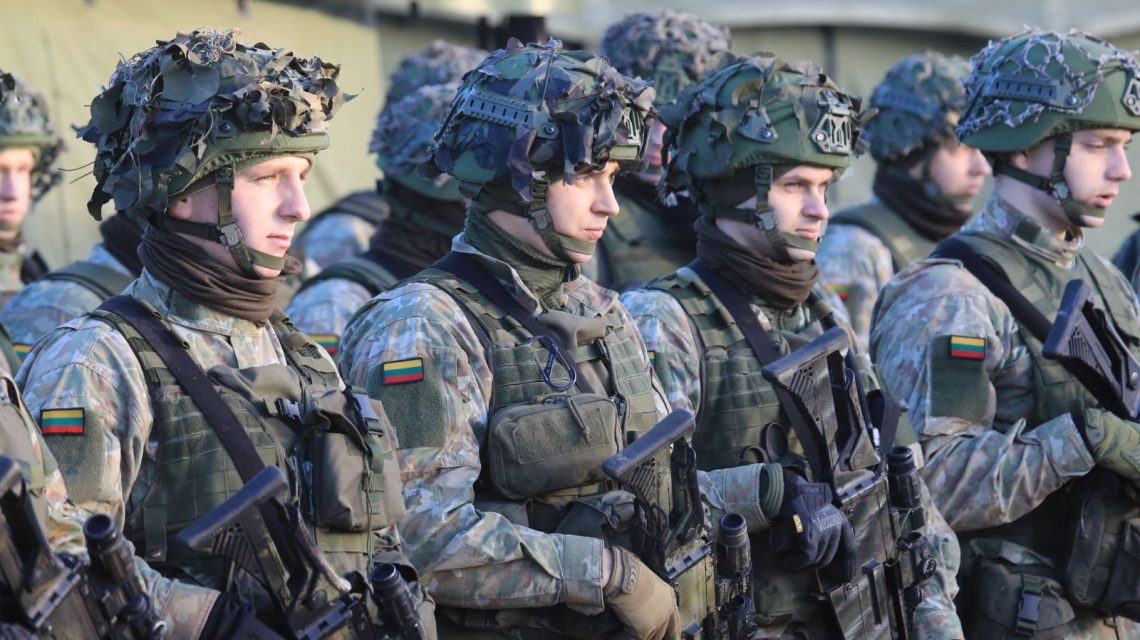
Lithuania has outlined a strategy for relocating its residents in the event of a military threat. This development comes amid increasing apprehension from NATO’s eastern members concerning Russia’s aggressive behavior. The Baltic country’s interior ministry sanctioned an evacuation scheme in July, designed to address military or civilian threats. Recent details revealed Poland’s Podlaskie province will function as a transit path for Lithuanian citizens.
Evacuation must commence before a direct threat occurs,” stated Žygimantas Solovyovas from Vilnius’s Civil Defense Department during an interview with Polish Radio.
Solovyovas warned residents not to expect evacuation during active shelling. Despite Russia not being explicitly mentioned, Polish media suggested the transit region was a reaction to Moscow’s conflict with Ukraine. Concern remains that the war could extend across Europe.
Recently, NATO fighter jets intercepted a drone armed with explosives entering Lithuanian airspace from Belarus, a Russian ally. Lithuania’s President, Gitanas Nauseda, highlighted concerns that Moscow might be intentionally causing drones to enter NATO airspace.
The partnership between Vilnius and Warsaw is strengthened as Poland’s Prime Minister, Donald Tusk, indicated that NATO, Ukraine, and U.S. intelligence warned of potential Russian drone or missile attacks on Poland and other pro-Ukraine nations. Newsweek reached out to Lithuanian, Polish, and Russian foreign ministries for their comments.
Details of Lithuania’s Evacuation Plan
On July 14, Lithuania’s interior ministry disclosed plans for resident evacuation, withholding specifics on evacuation routes and collection points. The ministry claimed that 75% of the population could evacuate independently. Municipalities will aid those needing transportation or extra assistance, prioritizing families with small children, individuals with disabilities, and the elderly.
Solovyovas gave further insights on September 16, detailing three primary routes from Vilnius: two within Lithuania heading north and west, and one towards Poland’s Podlaskie province. In instances of active shelling, residents should seek shelter rather than evacuate. The objective is to familiarize individuals with a systematic evacuation process.
All local governments in Podlaskie province contribute to emergency plan preparations, as reported by Polish radio. Lithuania continues to enhance its defenses along the Belarus border and near the Kaliningrad region, viewed as strategic in case of a conflict with Russia and NATO. Lithuanian Defense Minister Robertas Kaunas announced fortifications extending 5, 20, and 50 kilometers from the border to restrict adversaries.
Preparations by Lithuania’s Neighbors
Latvia, adjacent to Lithuania, will receive Eurofighter jets from Germany to bolster its security prior to its elections on October 3. Four German Eurofighters will station at Latvia’s Lielvārde Air Base from late September to early October. Germany’s defense ministry declared additional NATO support was sought.
Olga Lautman, a researcher examining Russian intelligence, noted, “Latvians will be voting under German fighter jet protection. This situation is unusual and highlights the Baltic states’ serious stance towards perceived threats.”
Repeated drone breaches and accusations of Russian hybrid warfare increased security concerns in NATO’s eastern regions. In Finland, a 120-mile fence along the Russian border aims to deter unauthorized migrant crossings, following accusations by Helsinki that Moscow exploits asylum seekers by directing them to the border.
If this situation continues to develop, ongoing collaboration between Lithuania, Poland, and other NATO members will remain essential to regional security.
 Iran’s Influence in Yemen Through the Houthis and its Global Impact
  Ukraine’s Strategic Moves in Donetsk: Operation Vivaldi
  U.S. Strategic Goals in Question Amid Ongoing Conflict
  China’s New Exit Rules and Their Impact on AI Talent
  U.S. Secures Military Agreement with Denmark Over Greenland
  Escalating Tensions: Houthi Rebel Attacks on Saudi Arabia