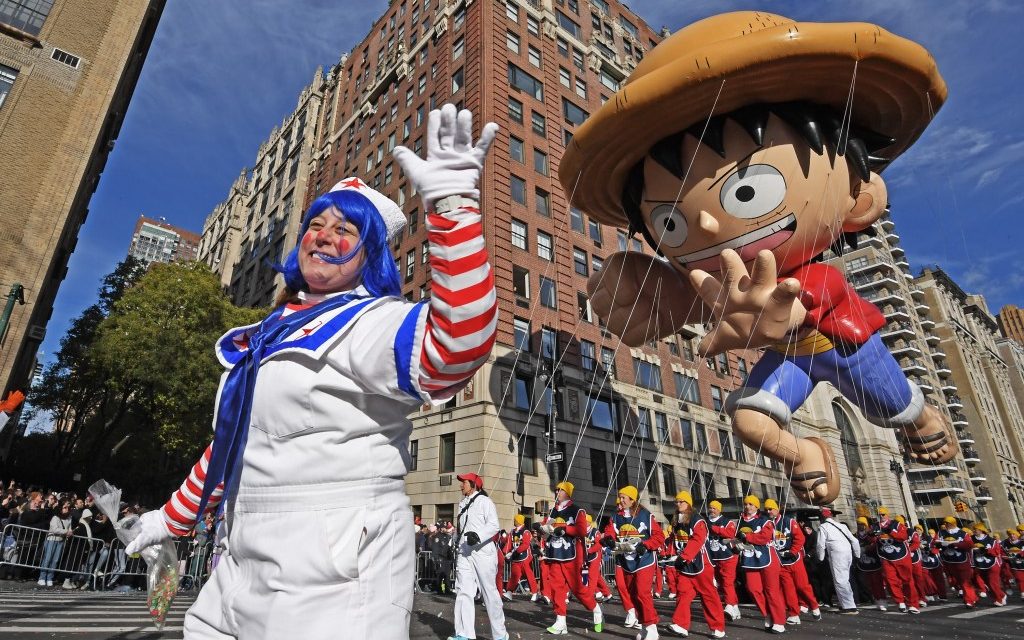
The Macy’s Thanksgiving Day Parade marks its 100th anniversary this year with an expanded lineup of over 100 inflatables, significantly more than the usual 50 to 60. This includes both giant and smaller balloons, inflatable costumes, and characters mounted on floats. Nine new giant balloons are set to debut.
Creating these iconic characters isn’t simple. A team of artists, engineers, and balloon specialists work tirelessly for six months to ensure each character is ready to soar above New York City. The process is much more involved than one might expect, with every step handled in-house.
The Making of Parade Balloons
Macy’s manages each aspect of the production in a 72,000-square-foot facility in Moonachie, New Jersey. This is where artisans create both the floats and balloons. As explained by Brendan Kennedy, the director of creative production, the selection of characters begins with looking for personalities that will appeal to a wide audience.
Your aim is to make sure kids and adults alike will be delighted when they see these characters,” Kennedy said. This requires an effective balance of beloved classics and emerging characters that resonate across generations.
In honor of the parade’s centennial, old favorites like Underdog and Felix the Cat return alongside new characters like Joe Cool – a rendition of Snoopy in a laid-back pose presented for the first time. Other popular figures like Sorcerer’s Apprentice Mickey and recent hits like Derpy Tiger from ‘KPop Demon Hunters’ will also be part of the lineup, showcasing the parade’s contemporary relevance.
The process to bring a parade balloon from conception to flight starts with sketches in May. Artists and balloon designers collaborate to finalize the pose and dimensions of the character, ensuring it maintains the intended personality while floating smoothly. Digital modeling refines the balloon’s appearance, adjusting proportions and colors according to design requirements.
Creating a Captivating Display
The conversion from digital design to tangible balloon requires careful engineering. The balloon’s internal structure and seams must support its form without adding excessive weight. After finalizing the design, patterns are created for each segment of the balloon, which are then meticulously cut, assembled, and sealed using specialized equipment.
Painting is the next step. Each balloon begins as a uniform beige, requiring artists to hand-paint every detail. This tedious task is likened to painting on a continually shifting canvas, requiring ladders and scissor lifts to access every part of the towering structure. Despite the challenges, this hands-on approach is essential for achieving the iconic look of each balloon.
Testing and Flight
Before their public debut, balloons undergo rigorous testing. Initial tests are conducted indoors to evaluate appearance and control. After any needed adjustments, outdoor trials take place a few weeks prior to the parade. These tests ensure that the balloons can handle real weather conditions and navigate the parade route successfully.
This year features a newcomer, Billie Brightpaw, a bear balloon created for the centennial celebration. Such additions help maintain the parade’s role as a celebration of pop culture, drawing in audiences old and new. According to Kennedy, the parade functions as a ‘yearbook of pop culture’ and is designed to bring joy and entertainment to all spectators.
After a century of parade festivities, Macy’s continues to innovate and captivate with each passing year, consistently offering new surprises and keeping traditions alive.
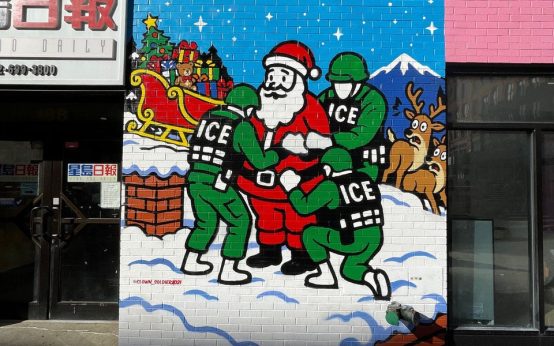 Santa Claus in Street Art Targets Trump’s Immigration Policies
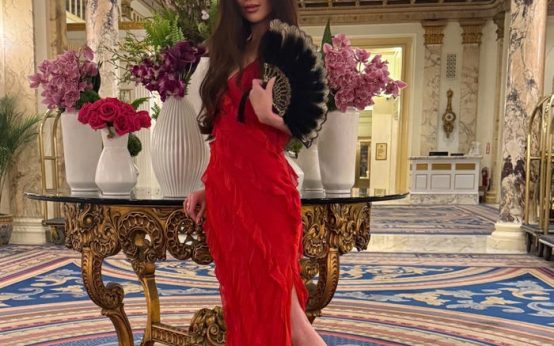 A Journey from Finance to Fashion: Wen Song’s Story
 Ugg’s Wool-Lined Slippers on Sale for Holiday Shopping
 Affordable Cozy Loungewear Sets for Relaxation
 Healthcare Workers Praise Affordable Sneakers for Comfort
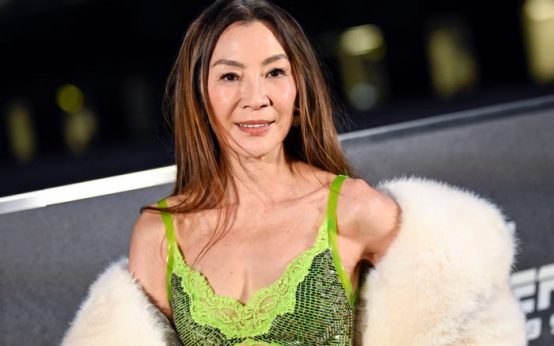 Michelle Yeoh’s Morning Routine: A Blend of Wellness and Strength