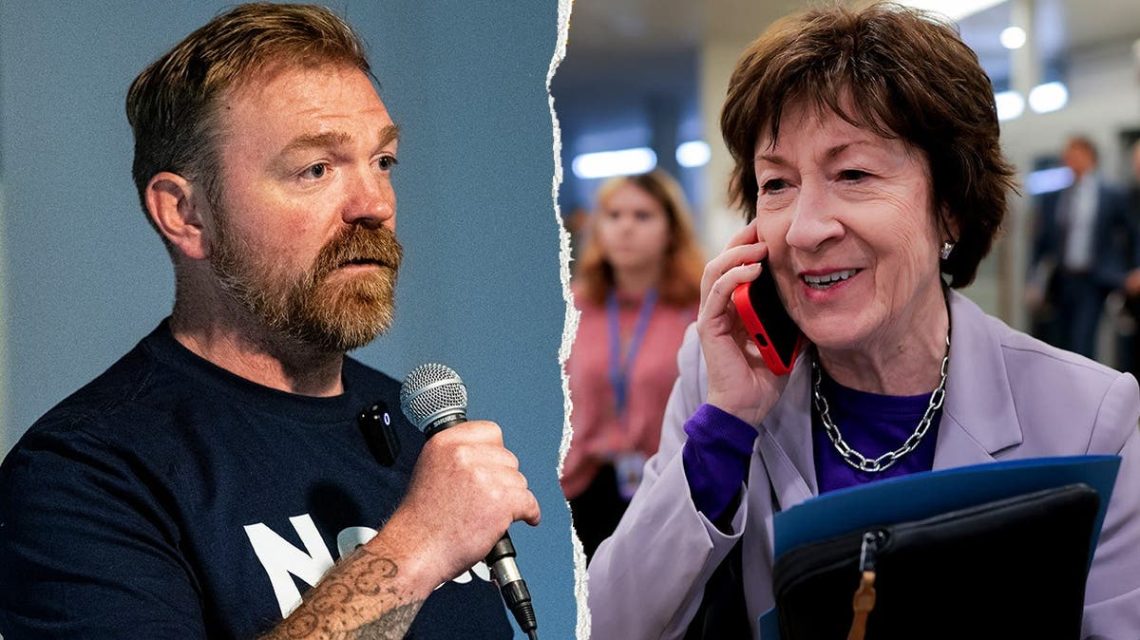
A recent poll reveals a close contest in the Maine Senate race as Democratic candidate Graham Platner’s working-class appeal fails to connect. The poll suggests Platner trails Republican Sen. Susan Collins by 21 percentage points among registered voters without a four-year college degree, holding 37% support compared to Collins’ 58%. These findings come from a New York Times/Portland Press Herald/Siena poll conducted on Monday.
However, Platner leads by 37 points with White college-educated voters, while Collins maintains a 23-point lead with White voters without a college degree. In contrast, the September 2020 New York Times/Siena poll showed Collins leading Democrat Sara Gideon by a narrower margin of 48% to 45% among White non-college-educated voters, reflecting a significant change from six years prior.
Platner’s campaign emphasizes his background as an oyster farmer, yet his support among working-class voters remains weak. Social media users question whether his messaging resonates, with Ryan Girdusky of the 1776 Project PAC criticizing Platner’s approach, suggesting he feels inauthentic to working-class communities.
Platner also faces scrutiny for his personal and financial background. He identifies as an oyster farmer and harbor master, yet receives substantial income from veteran’s disability payments, creating inconsistencies with his campaign narrative of combating corporate influences and wealthy figures.
Critics point to Platner’s privileged education, including attendance at the exclusive Hotchkiss School in Connecticut, as a barrier to appealing to working-class voters. Maine Republican state Rep. Laurel Libby expressed that voters prioritize authenticity and relatable representation, attributes they find in Susan Collins.
The poll sheds light on controversies affecting Platner’s campaign, encompassing issues such as past infidelity, a controversial tattoo, and his self-identification as a “communist”. These factors contribute to only 44% of voters considering him to have “good character,” and 47% deeming him “too extreme” for Maine.
In spite of these challenges, Platner maintains a narrow overall lead over Collins, according to the New York Times poll. The poll shows 54% of respondents want Democrats to regain the Senate majority during the midterms, which surpasses Platner’s 49% support. Notably, Collins garners support from 10% of voters who prefer Democratic Senate control.
Potential concerns for Collins include perceptions of strong ties to Trump and her age, with some supporters expressing doubts about her effectiveness due to her age. The election remains pivotal, potentially influencing the U.S. Senate’s balance of power in the upcoming November elections.
 House Republicans Release Transcripts in Jack Smith Investigation
 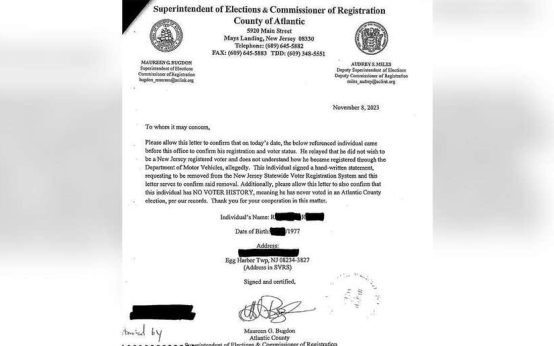 RNC Files Lawsuit for Transparency in New Jersey’s Voter Roll Maintenance
  Italian PM Giorgia Meloni Skips UN General Assembly Amid Growing Tensions
  Calls Grow for Ireland’s Soccer Team to Boycott Matches Against Israel
  Congressman Randy Fine’s Bold Political Stance and Views on AI Regulation
  Political Messaging and Strategy Leading Up to Midterms