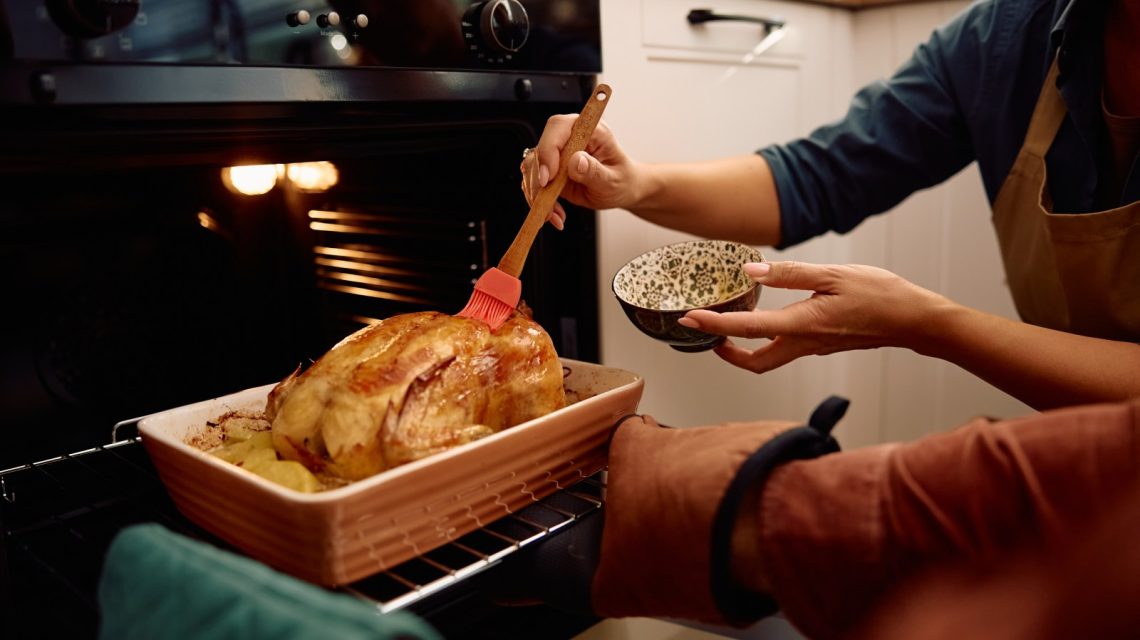
Thanksgiving usually features a roasted turkey and classic side dishes, but preparing this feast can introduce unexpected issues. Cooking a full meal may release pollutants into the air. Methods like frying, searing, and broiling generate fine particles that reach deep into the lungs. Using gas stoves adds to the risks.
Your stove is by far the bigger hazard in your kitchen,
noted Dr. Gina Solomon from Western States PEHSU in a Newsweek interview. Gas stoves can emit high nitrogen dioxide levels, especially when several burners operate simultaneously. This can cause breathing difficulties, particularly in children with asthma and those with respiratory issues. Cooking activities like frying and sautéing in oil release small particles harmful to the lungs.
Dr. Solomon mentioned, I often find I’m using four burners on the stove, plus the oven on Thanksgiving. This isn’t typical in my home. If it’s a gas stove, that’s a lot of combustion byproducts.
She highlighted that despite the wonderful aromas, hazardous particles and nitrogen oxides could accompany them.
David T. Dyjack from the National Environmental Health Association also pointed out that the turkey itself could contribute to pollution. Fats and juices dripping onto hot oven surfaces generate airborne particles. Pan frying ingredients like bacon or sausage adds to emissions. Searing meat or overheating oils are common contributors.
High pollution levels can persist after cooking, especially in poorly ventilated kitchens, where they can linger for hours. Even efficient particle filters don’t eliminate all pollutants. While HEPA air cleaners reduce particles, they generally don’t remove gaseous pollutants like nitrogen dioxide and carbon monoxide. Being colorless and odorless, carbon monoxide can be deadly at high concentrations. Warning signs include headaches, dizziness, nausea, and confusion. Homes with fuel-burning appliances need functioning carbon monoxide alarms for safety.
Some individuals are at greater risk. Children, older adults, and those with respiratory or cardiovascular conditions might be more vulnerable.
However, Thanksgiving dinner doesn’t have to pose a risk. Effective methods exist to ensure air quality. Experts emphasize the importance of ventilation. Dyjack advises turning on the kitchen exhaust before cooking and keeping it on for 10 to 20 minutes post-cooking. A hood venting outdoors is preferable as recirculating models fail to remove combustion gases. Opening windows, if conditions permit, can help clear pollutants. Using back burners, maintaining clean appliances, and avoiding excessively high cooking temperatures are practical tips.
My mom used to say to cook ‘low and slow’. Reduce heat when practical, avoid burning foods, and select cooking oils appropriate for the temperatures being used,
Dyjack suggested. Solomon recommended reconsidering candle use, as they contribute to indoor air pollution. She advised opting for artificial candles instead.
Maintaining proper ventilation, ensuring clean appliances, and having safety alarms can protect air quality without altering holiday traditions. This Thanksgiving, a little attention given to ventilation, cooking temperatures, and basic safety can help ensure that the only thing lingering after dinner is the memory of a wonderful meal,
Dyjack concluded.
 Early Black Friday Deals on Winter Shoes
 Amazon Offers Versatile Backyard Retreat for Under $22,000
 Ireland Baldwin Shares Festive Baby Bump Photos
 Festive Dining and Events in Your Area
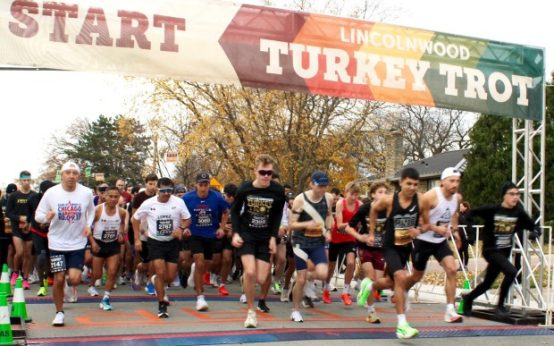 Lincolnwood Celebrates 50th Annual Turkey Trot Amid Rain Threat
 Varied Reports on Entertainment, National Park Controversy, Food Insecurity, and More