In recent weeks, extensive outages across the U.S. have led to fears of potential ‘doomsday’ scenarios. This raises questions about what a major cyberattack might entail and how its consequences might unfold in the aftermath.
Recent Disruptions
It began with a long-lasting Microsoft outage affecting millions. Soon after, separate incidents included a Federal Aviation Administration (FAA) ground stop, bank transaction failures, and a cybersecurity issue involving JPMorgan Chase data. Additional problems were reported by Apple and the National Security Agency (NSA). Although U.S. officials have found no evidence linking these incidents or indicating malicious actions, their occurrence highlights vulnerabilities in interconnected infrastructures.
Official Responses
Government officials have not confirmed a common cause or malicious intent behind these outages. Regarding the FAA’s interruption, challenges in updating outdated infrastructure were cited. President Trump has minimized concerns, referring to these incidents as a typical part of life for large organizations.
Democratic and Republican lawmakers have expressed apprehension, calling for more transparency. Representative Hakeem Jeffries described the situation as troubling, while Senators Josh Hawley and Rick Scott demanded further briefings. Some Trump supporters, like Karoline Leavitt, emphasized the need for transparency.
Potential for a Doomsday Cyberattack
Cybersecurity experts caution against the possibility of a large-scale attack, sometimes called a ‘cyber 9/11.’ Such an attack could disrupt critical infrastructure and everyday life. The growth of AI tools increases the ability to exploit vulnerabilities across many targets, while efforts to counteract these also introduce instability.
In 2022, the Department of Homeland Security’s Cybersecurity and Infrastructure Security Agency (CISA) published a report detailing potential disruptions during the first 48 hours of a cyberattack. These include communication failures, forensic data loss, and extended manual operations.
Potential Consequences
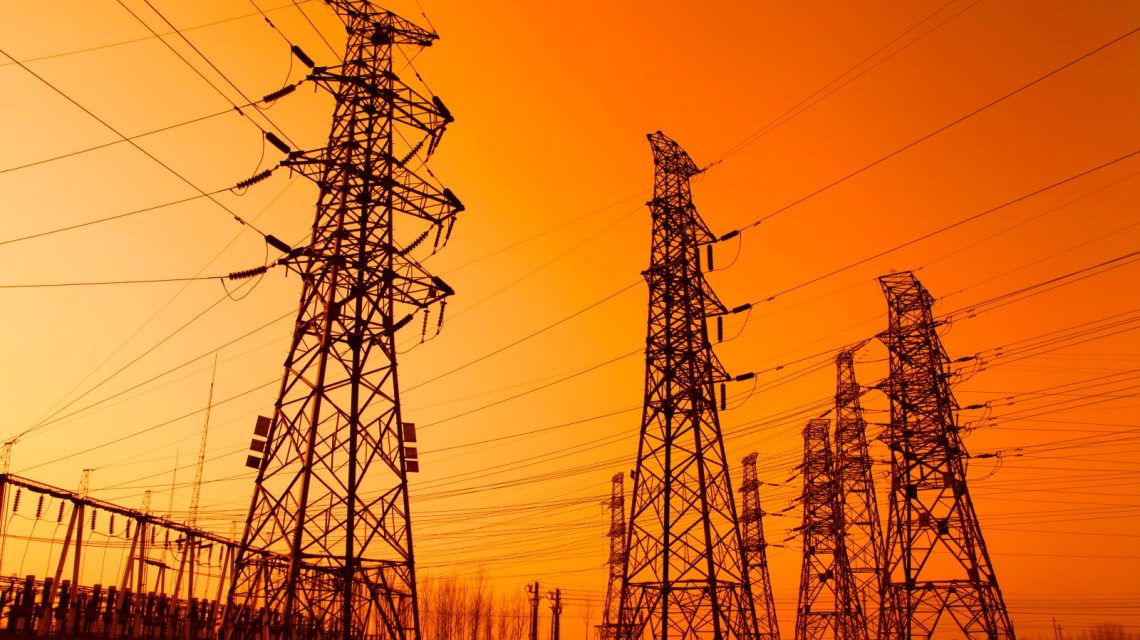
Experts warn of severe ramifications if an attack targeted the power grid. A significant power outage would affect widespread essential services such as water, communications, and healthcare. Without electricity, daily activities and access to essential services could become severely disrupted.
Instances in Europe have shown how cyberattacks on refrigeration systems caused widespread food spoilage. Similarly, a major outage in the U.S. would highlight dependency on internet and power for essential tasks, from accessing ATMs to basic communication.
Types of Cyberattacks
Cyberattacks can take various forms, each with distinct objectives. Malware, ransomware, and phishing are prevalent threats targeting data and network security. More sophisticated attacks focus on operational technology, affecting services like energy and transportation.
Response to Cyberattacks
A coordinated response involving government and private sectors is necessary for severe cyberattacks. Organizations like CISA play a vital role in defending vulnerable networks. Recent cuts and staffing issues may impact readiness, but recent events could prompt changes.
Federal guidance encourages households to prepare for emergencies, traditionally recommending a three-day supply of essentials. However, potential catastrophic outages might require longer self-sufficiency.
The Path Forward
While new outages should raise awareness, they should not incite panic. Instead, the current focus on preparedness can encourage individuals to assess their readiness for extended outages of power, communications, and basic services, ensuring they are better equipped for future disruptions.
 Investors Gather at Upscale Dinner Amid Plummeting Meme Coin Value
 Addressing Space Debris with Satellite Autopilot Solutions
 Shopify CEO Criticizes Nvidia Board Over Jensen Huang’s Departure
 Scott Bessent Suggests Jensen Huang as an ‘Outsider’ Candidate for Nvidia CEO Role
 Trump Hosts Dinner Amid Falling Crypto Coin Value
 Elevated Risk of Technology Outages Due to Software Vulnerabilities