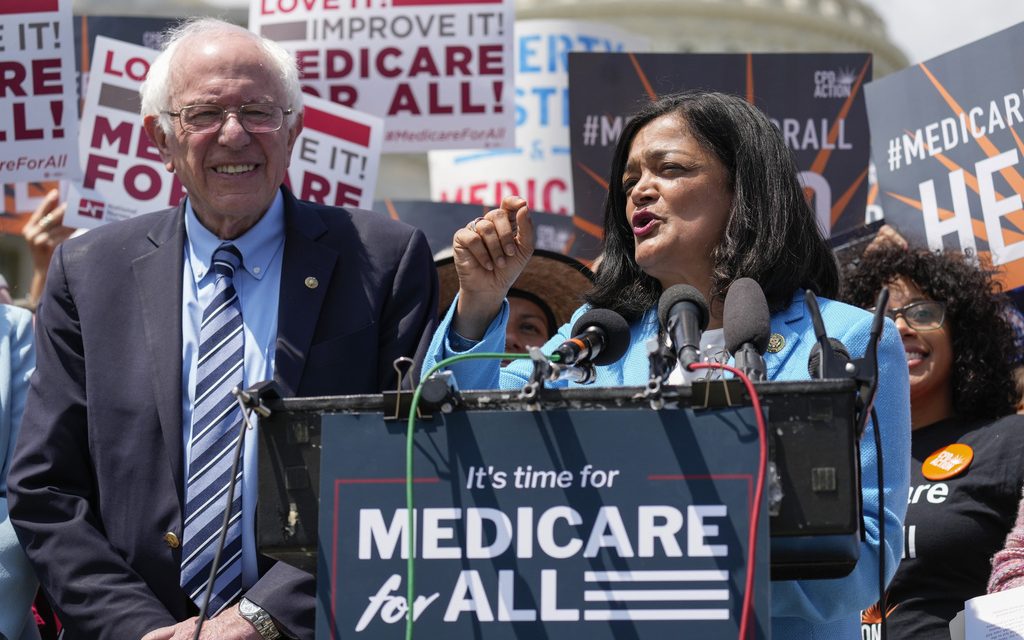
Representative Pramila Jayapal, D-Wash., alongside Senator Bernie Sanders, I-Vt., held a press conference on Capitol Hill to discuss Medicare for All. Critics argue it’s misleading to name it after the popular health insurance program, Medicare, as the plan aims to replace the existing system.
Senator Sanders has been a strong advocate for overhauling the current mix of private and government insurance. He proposes a government-run program where taxpayers face higher taxes, yet no premiums, with the government covering all medical costs. In systems like the UK’s, the government decides on available services, medicines, and their access, rather than doctors making those choices.
Medicare for All is often misunderstood. Sanders suggests an expanded Medicare, yet real Medicare is divided into parts: Part A for hospital bills, Part B for doctor visits, Part C for Medicare Advantage, and Part D for prescriptions. The proposed program excludes these options.
Currently, many seniors prefer Medicare Advantage, with 55% choosing it. Obama’s Affordable Care Act once promised plan retention, a claim later criticized. Sanders doesn’t promise similar as his intention is to end the current Medicare plans.
An NBC News poll reported 82% satisfaction with current coverage, and 90% satisfaction among those on Medicare. But, under Medicare for All, existing plans would cease, mirroring the UK’s National Health Service where only 26% expressed satisfaction in a British survey, and 51% were dissatisfied.
Even though Medicare faces challenges similar to the UK’s system, including low payment rates to providers, it remains in balance due to private insurance cross-subsidization. When health care turns political, powerful figures, like lawmakers, may still access desired care.
Understanding Medicare for All’s implications involves comparing systems. The UK’s NHS often experiences long wait times and limited access to newer treatments available in the U.S., issues tied to funding limitations and political decisions.
 Potential 2028 Presidential Candidates Begin Campaigning
 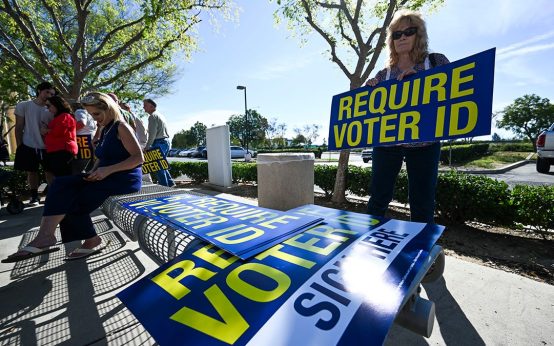 California Voter ID Proposal Sparks Debate
 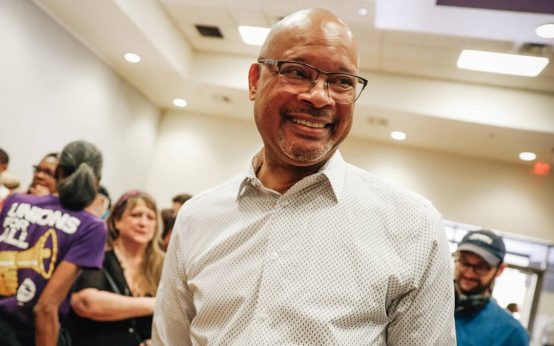 Nevada Governor Race Heats Up as Election Day Approaches
  Rethinking Child Welfare Policy: A Call for Reform
  Trump Initiates Inquiry into Federal Reserve Governor Lisa Cook
 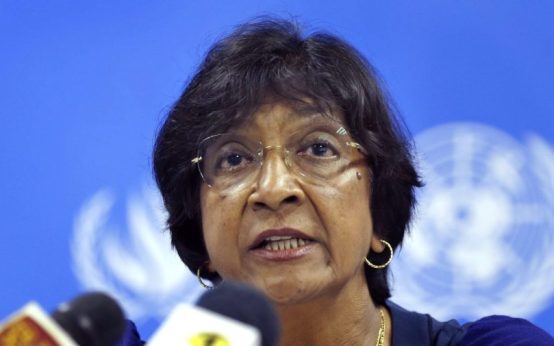 Michigan Senate Debate Highlights Intense Personal Attacks