
Michigan Senate Race and Its Implications
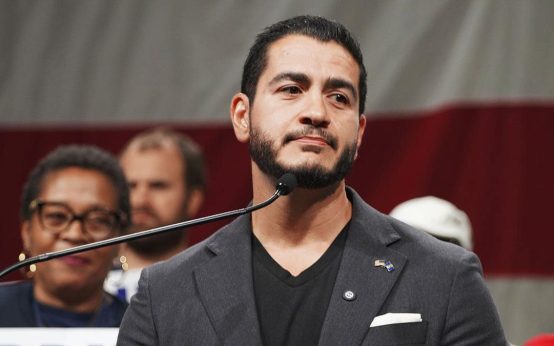
The state of Michigan is witnessing one of the year’s most pivotal Democratic Senate primary contests. This race features Dr. Abdul El-Sayed, a progressive with a background in public health, and Representative Haley Stevens, who identifies as a centrist. The election comes as a significant test of the Democratic Party’s direction.
Candidates and Their Positions
Dr. Abdul El-Sayed advocates for universal health care and critiques U.S. military aid to Israel. On primary day, he plans to campaign in Detroit. His opponent, Ms. Haley Stevens, positions herself as a bipartisan figure. She began her day at a church in Grand Rapids, Michigan, with plans to head to Detroit later. Stevens is backed by party leaders and casts herself as a reliable ally of Israel.
Key Issues and Campaign Tactics
The candidates have traded personal attacks throughout the campaign. For instance, Stevens accused El-Sayed of pursuing fame and fortune, while El-Sayed challenged her credibility, referencing her support from pro-Israel groups. The race has also seen substantial outside spending, primarily in support of Stevens, highlighting issues like her stance on Israel.
Potential Impact on the Senate and Beyond
The winner will face Mike Rogers, the uncontested Republican nominee. Michigan’s primary results could influence party unity, impacting the general election. Democrats are debating which candidate would present a stronger challenge to Rogers in the fall.
Additional Political Contests
Besides Michigan, states like Kansas, Virginia, Washington, and Missouri are holding primaries, each presenting its political dynamics. In Kansas, the governor’s race and a ballot measure concerning the selection of State Supreme Court justices are on the ballot. Meanwhile, Washington’s open primary tests political polarization and President Trump’s influence.
Broader Implications for the Democratic Party
This Michigan race epitomizes the broader ideological struggle within the Democratic Party. It could signal the party’s direction in future elections, with progressives seeking to secure influence and centrists aiming to solidify their strategies for November’s general elections.
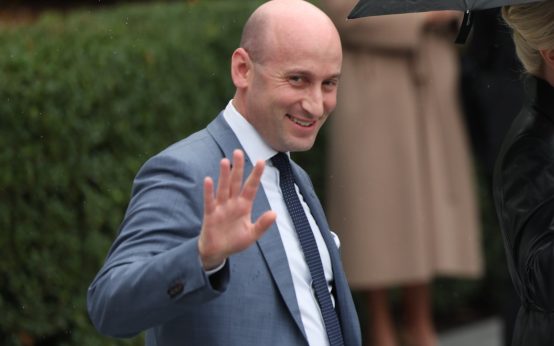 Stephen Miller’s New Role as Trump’s Chief of Staff
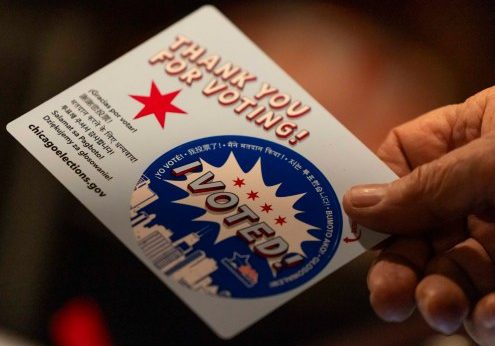 Mike Bost Secures Reelection in Illinois’ 12th District
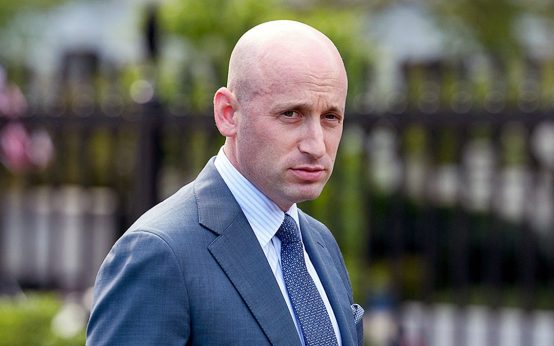 Controversy Surrounds Trump’s Decision to Appoint Stephen Miller as Chief of Staff
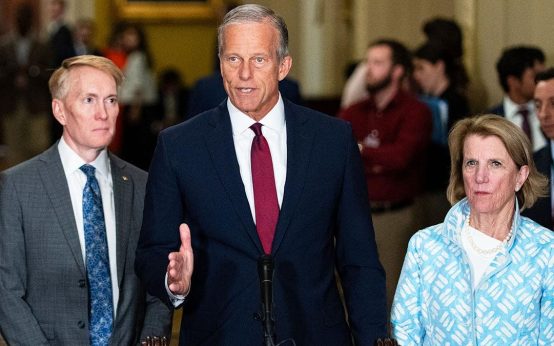 Judicial Confirmations Before Senate Transition
 Abdul El-Sayed Reflects on Election and Communication Strategy
 Contentious Senate Races: Alaska and Mississippi Updates