Political fluctuations around midterm elections are a staple of Washington’s cycles. Every two years, the party not in control anticipates an opportunity, thinking the outcome inevitable. However, history often reveals complexities beyond straightforward predictions.
In the 2026 elections, it’s crucial to consider not merely electoral math, but the actual intentions of the party vying for power. Over 80 years, the president’s party has typically lost U.S. House seats in 18 of 20 midterm elections. This phenomenon is referred to as the thermostat effect, where voters naturally seek a balance by moving toward the opposition, irrespective of government performance.
Voter turnout intensifies challenges for the incumbent party. Victors may become complacent, while the opposition remains motivated and active. Midterms focus not on broad visions like presidential elections but on evaluating the party currently in control.
House control may pivot on whether traditional political principles endure.
This year, Republicans are facing uniquely tight circumstances. Democrats need only five more seats to regain majority. With GOP approval ratings consistently below 45%, they find themselves in historically tough waters.
At the same time, the political landscape is experiencing unprecedented changes. Analysts are trying to apply old tactics to new situations. President Trump stands as the second president in history with nonconsecutive terms, similar only to Grover Cleveland from the late 1800s.
Some vulnerable House Republicans are aligning with Trump, betting against historical midterm trends.
Cleveland’s example serves as a cautionary tale. During his nonconsecutive term, Democrats suffered significant losses, facing electorate dissatisfaction amidst economic depression.
The outlook may favor Republicans somewhat. The electoral map has shifted notably. States like Texas have redefined lines leading to more Republican safe seats, while California presents a Democratic advantage. Overall shifts across states result in a slightly Republican-favored map.
Democrats face a challenge with the redistricting situation, but affordability issues are set to drive the midterms.
Democratic campaign focus on affordability covering everyday expenses like groceries and healthcare contrasts sharply with their governance, as evident in places where they hold power.
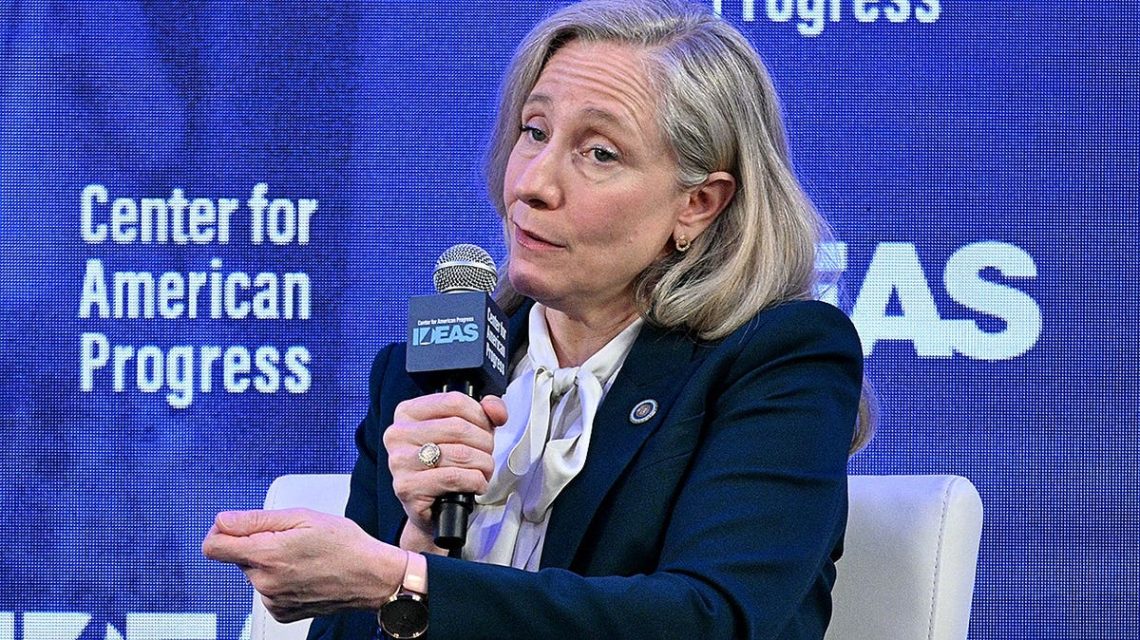
Governor Abigail Spanberger of Virginia exemplifies this. Having opposed redistricting, she nonetheless supported it after election, contradicting her pledge. Her subsequent legislative decisions regarding guns faced legal obstacles delaying enforcement.
Redistricting has given Republicans an initial advantage, yet affordability factors will be pivotal in deciding the midterm results.
The Democratic plan nationally includes intensive investigations into President Trump and associates, rather than direct economic measures benefiting citizens.
The electorate traditionally favors the party not currently in power during midterms. What remains uncertain is how parties handle the power they gain, a question Democrats may have already answered partially.
Note: Matt Schuck, an executive vice president at Tholos Government Relations, highlights key observations from political dynamics.
 Sensitive Discussions During Trump’s National Archives Visit with Xi Jinping
  Zohran Mamdani’s Child Care Initiatives May Influence Other Leaders
  Ted Cruz Leads College Athletics Regulation Overhaul
  DOJ Investigates Former Trump Aide Amid Defamation Suit
  Key Developments from Today’s News
  Key Events in Politics and Technology: U.S. and U.K. Developments