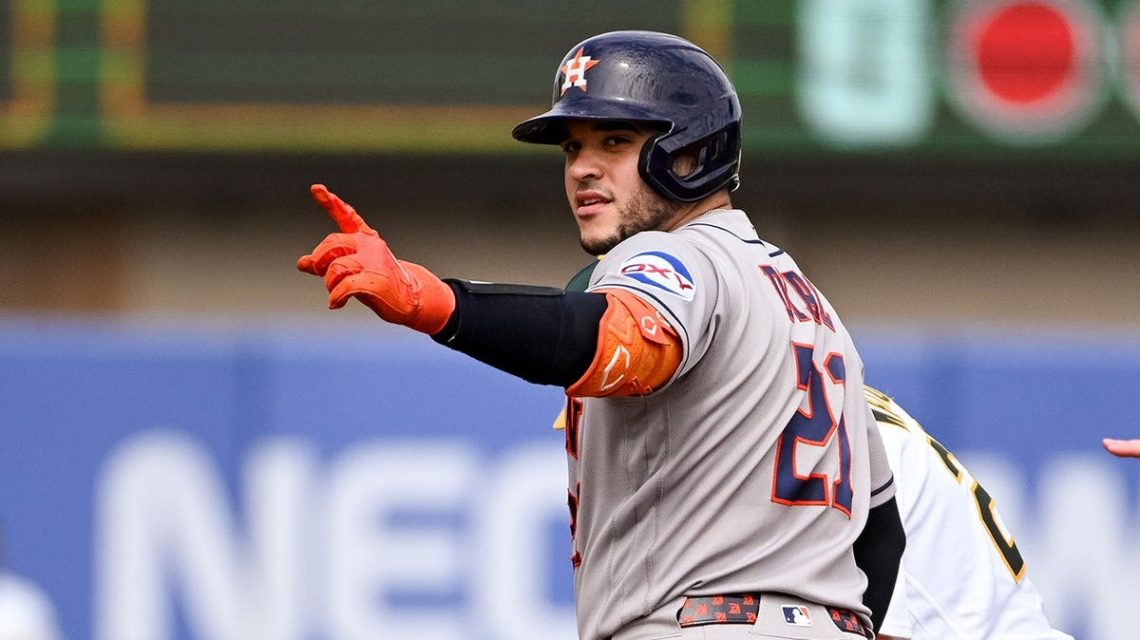
The final day of Major League Baseball’s regular season played out as the league intended, with all 15 games starting simultaneously. While many playoff spots were already determined, two critical races grabbed attention. The American League West saw a tie between the Houston Astros and the Texas Rangers at 80-81, and the National League’s wild card spot involved the Philadelphia Phillies and the Arizona Diamondbacks.
The Phillies, who were on the brink of an upset despite a promising 99.1% playoff probability, secured their wild card series with a 7-3 victory over the Tampa Bay Rays. Meanwhile, the Astros made an unusual kind of history. Despite winning against the Athletics, they finished as the weakest division winners in history with an 81-81 record, surpassing the 2005 San Diego Padres’ previous low of 82-80.
Houston was fortunate to end their season at .500. Run differential often predicts future success better than standings alone. A team that consistently outscored opponents is likely to win more games over time. The Miami Marlins, who ended even with a three-run surplus, and the Milwaukee Brewers, who excelled with a +214 differential, reflect this pattern.
Houston’s performance deviated from expectations. They were outscored by 32 runs, suggesting a 78-84 record opposed to the 81-81 they achieved. Despite a similar disappointment, the Rangers fared worse with a -46 differential, predicting a 76-86 record.
Although not strong contenders, the Astros enter the postseason facing the Chicago White Sox in a three-game series. Despite Chicago’s superior regular season, playoff unpredictability gives Houston a 55% chance to progress to the next round, according to FanGraphs.
Should the Astros advance, they would meet the Cleveland Guardians, whose modest +11 differential led to an 85-77 record. While favored, Cleveland isn’t assured victory. An 81-81 team moving to the ALCS isn’t off the table.
MLB’s synchronized final-day schedule delivered suspense and prompted questions about its financial tactics. Critics argue that incentives push teams to minimum spending for playoff spots rather than building strong rosters. The Astros exemplify this scenario, entering the postseason underprepared but present due to the league’s structure.
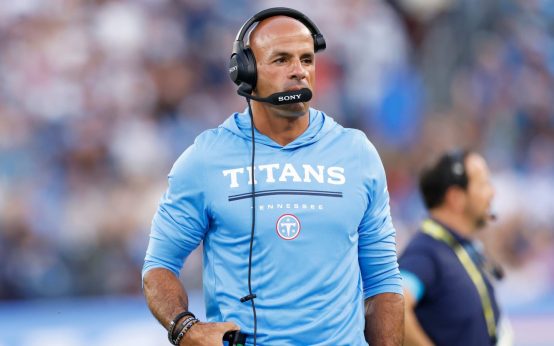 Tennessee Titans Struggle: Quarterback Cam Ward Under Scrutiny
  President Trump’s Visit to the Presidents Cup in Medinah
  Understanding the Q-Collar: What Athletes Need to Know
  Veteran Prowess Shines in 49ers’ Victory Over Cardinals
  U.S. Team Triumphs at 2026 Presidents Cup Amidst High-Stakes Drama
 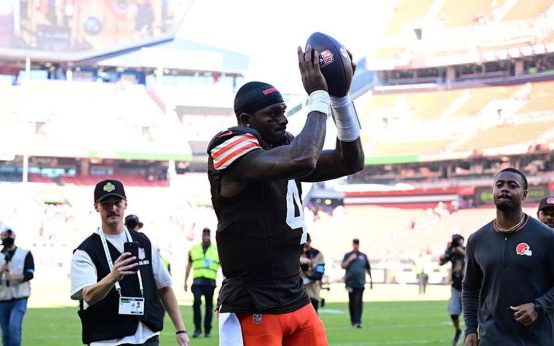 Deshaun Watson Transforms Boos to Cheers in Browns Victory