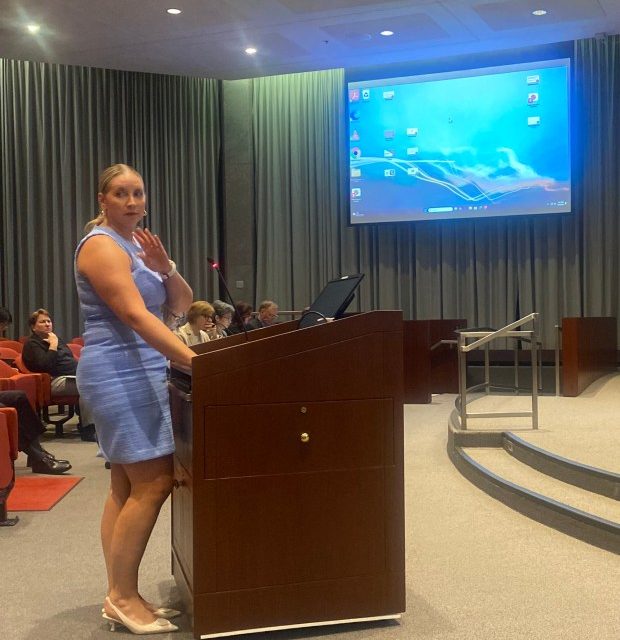
For over a decade, Naperville had prohibited happy hour drink specials due to numerous alcohol-related incidents. Now, the city council has voted to lift this ban, allowing local bars and restaurants to promote special drink offers. Naperville will follow state guidelines, but with restrictions. Drinks must be discounted only until 7 p.m., earlier than the state’s 10 p.m. limit. Businesses can’t reduce drink prices by more than 50% and are limited to serving two alcoholic drinks per person, except in exceptional cases.
Historically, the city reinstated its ban on happy hours because of serious incidents. In 2014, a drunk-driving accident resulted in two young men drowning in a local quarry. A 2012 stabbing death of a teacher during a downtown disturbance further fueled this decision. These events led to additional regulations aimed at reducing alcohol-related issues, including restrictions on patrons entering bars close to closing time and prohibiting shot purchases within the last hour of operation.
In 2015, Illinois lifted a long-standing statewide ban on happy hours, initially enforced in 1989. New state guidelines allowed happy hour promotions, with rules limiting the duration to four hours per day and 15 hours per week. Volume discounts, such as offering two drinks for the price of one, remained banned.
Despite the state changes, Naperville’s Liquor Commission voted in 2017 to retain its city-specific restrictions against happy hour specials. Mayor Scott Wehrli emphasized the city’s efforts to improve safety, stating, “Obviously, those incidents have not continued. The city’s made great strides of improvement to guarantee the safety of our patrons downtown.”
Business advocates have strongly supported lifting the ban, arguing that it will enhance the competitiveness of local establishments relative to neighboring suburbs. Naperville Development Partnership President Monica Conners highlighted feedback from business owners, noting, “Not having happy hour is detrimental to their competitiveness, detrimental to their bottom line, and has a negative impact on their employees.” She added that for larger restaurant groups, Naperville’s ban has been a marketing hurdle, requiring specific modifications to menus and websites.
Christina Caton Kitchel from Caton Commercial Real Estate Group, expressed the utility of happy hour as a strategy for attracting customers during quieter periods. “What happy hour does is it helps entice and give incentives to people on fixed incomes or those with multiple kids,” she stated. Kitchel emphasized its role in drawing patrons who prefer visiting restaurants earlier, filling less busy time slots that successful establishments don’t typically struggle with during peak weekend nights.
Naperville’s decision to lift the happy hour ban reflects both a confidence in improved public safety measures and a response to economic pressures faced by local businesses.
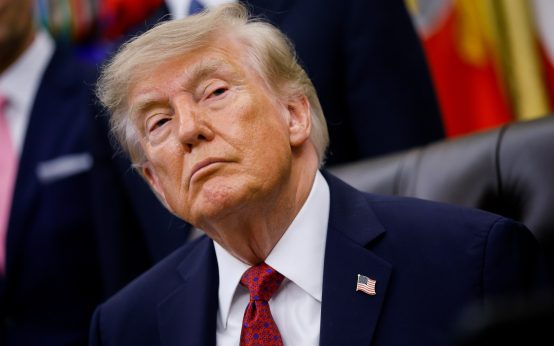
 Trump Administration Threatens Smithsonian Support
 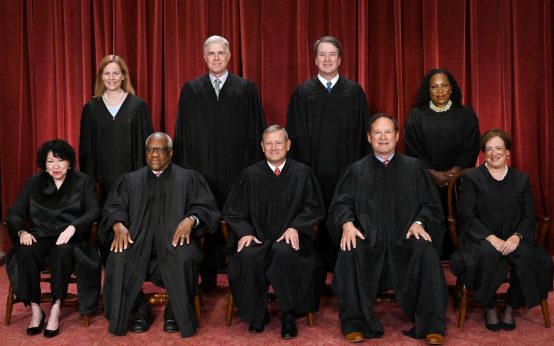 House Vote on Supreme Court Size Amendment
 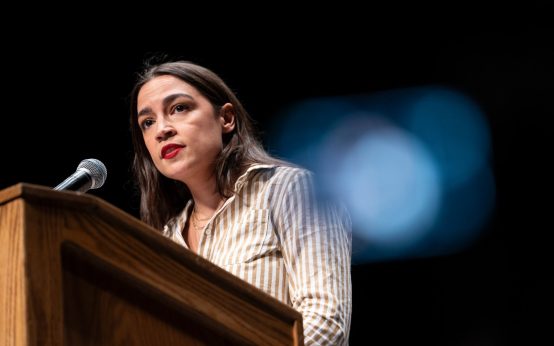 Alexandria Ocasio-Cortez Endorses Angie Nixon in Florida Senate Race
  Alabama Democrat Proposes Bill to Reverse Graduate Loan Restrictions
  Interfaith Gathering Supports Immigrants Amid Heightened ICE Activity
  Evaluating James Talarico’s Progressive Commentary and Its Implications for Texas Politics