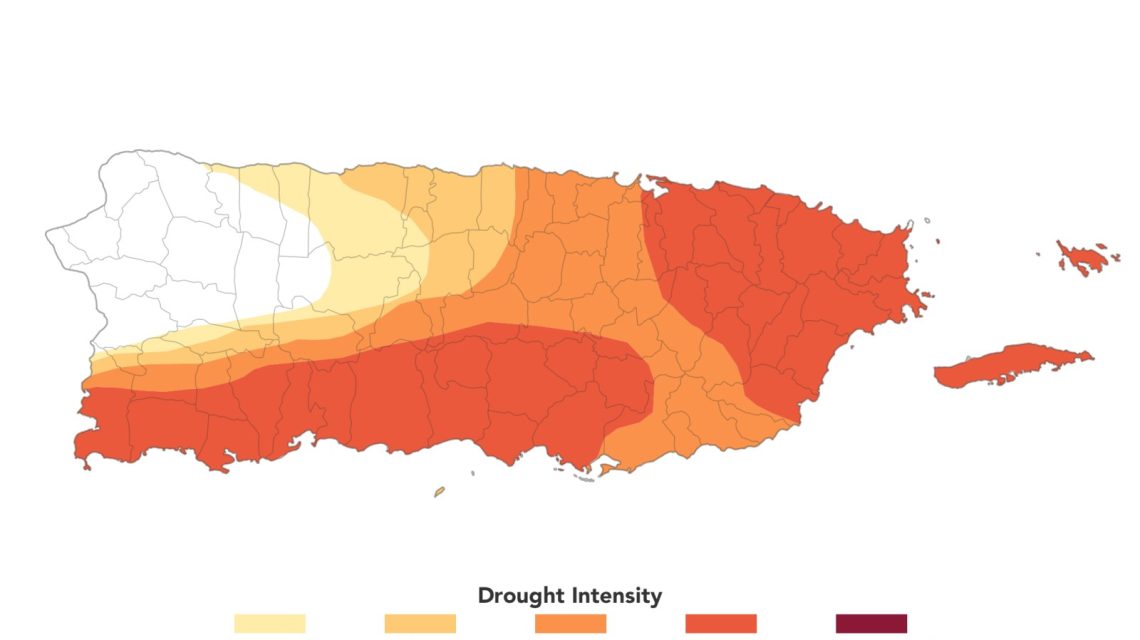
A recently released NASA map has emphasized the severity of drought in Puerto Rico, where hot and dry weather has resulted in water shortages and agricultural challenges. The map, published by the NASA Earth Observatory on September 2, illustrates drought conditions as of August 25. This data comes from the United States Drought Monitor, involving the National Drought Mitigation Center, the U.S. Department of Agriculture, NOAA, and NASA.
NASA stated, “Rainfall deficits and high temperatures have created unusually dry conditions and have spurred water shortages on much of the tropical archipelago.” According to the U.S. Drought Monitor, 75.2 percent of Puerto Rico is experiencing drought conditions. Extreme drought affects 41 percent, while severe drought impacts 21.3 percent. Over 3 million residents live in these drought-affected areas.
Brandon Wright, senior meteorologist at ICEYE, mentioned to Newsweek that the speed of the drought’s development is concerning. “This is one of the worst droughts since the U.S. Drought Monitor began in 1999,” he noted.
A White House official informed Newsweek in early August that the administration is closely monitoring the situation in Puerto Rico, although no requests from FEMA have been received for assistance. Newsweek reached out to the White House, FEMA, Puerto Rico’s Bureau for Emergency Management and Disaster Administration, and the Puerto Rico Tourism Company for comments.
Rapid Drought Development
Meteorologist Wright described the current drought in Puerto Rico as “one of the fastest onsets.” He pointed out that only about three months ago, one-third of Puerto Rico was “abnormally dry,” which has quickly escalated to around 40 percent in extreme drought. “The recent spike is dramatic,” Wright explained.
An analysis by Elena Maksimovich, a geoscientist and CTO of Everloop, detailed that the summer of 2026 in Puerto Rico was extremely dry. The June-July-August period was the second driest summer season since 1950, trailing only behind 1994.
The Role of El Niño
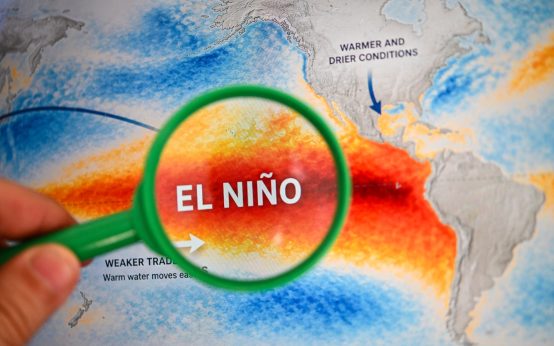
El Niño is playing a significant role in accelerating the drought. Wright noted, “El Niño often suppresses thunderstorm activity and limits the Atlantic tropical season.” The onset of El Niño as Puerto Rico was entering its wet season helped speed up the drought, he added. Reduced thunderstorm activity means fewer clouds, more heating, and further landscape drying. Temperature records in San Juan showed May among the 15 warmest on record, with June in the top 10, and July and August as the second warmest for their respective months.
Though Tropical Storm Dolly brought recent rainfall, Wright said it “only made a small dent in the overall drought situation.”
Risks and Challenges Ahead
Maksimovich warned of intensifying climate-related threats. “Heatwave risk will amplify,” her report stated. The report highlighted increased exposure to major droughts and wildfires.
Maksimovich’s report pointed out, “Inland and coastal flood risk are present.” Cities most at risk include Caguas, Arecibo, Bayamón, Carolina, and Fajardo.
The report also emphasized the need for more water storage due to common water rationing since the 1990s. Potential impacts on tourism, agriculture, and supply chains for coffee and cacao were noted.
 El Niño Intensifies, Impacts Likely Worldwide
  Advocacy Group Raises Concerns Over Wild Horse Roundups in Western U.S.
  El Niño’s Impact on California and the Southeast: What to Expect
 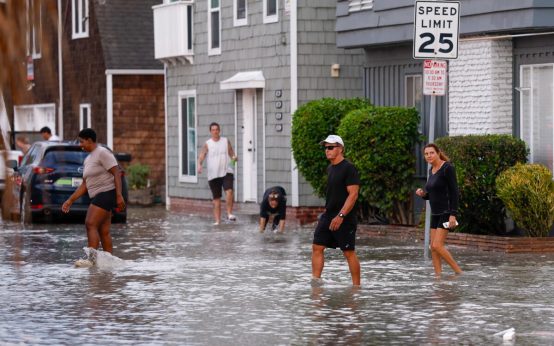 Forecast of Extreme Weather Follows Coastal Flooding in Southern California
 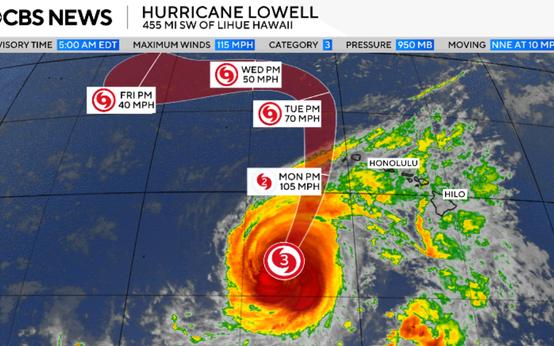 Hurricane Lowell Approaches Hawaii with Intense Winds and Rainfall
  Arizona’s Heat Crisis and the Risks for Mobile Home Residents