Netanyahu’s Speech Amid Election Uncertainty
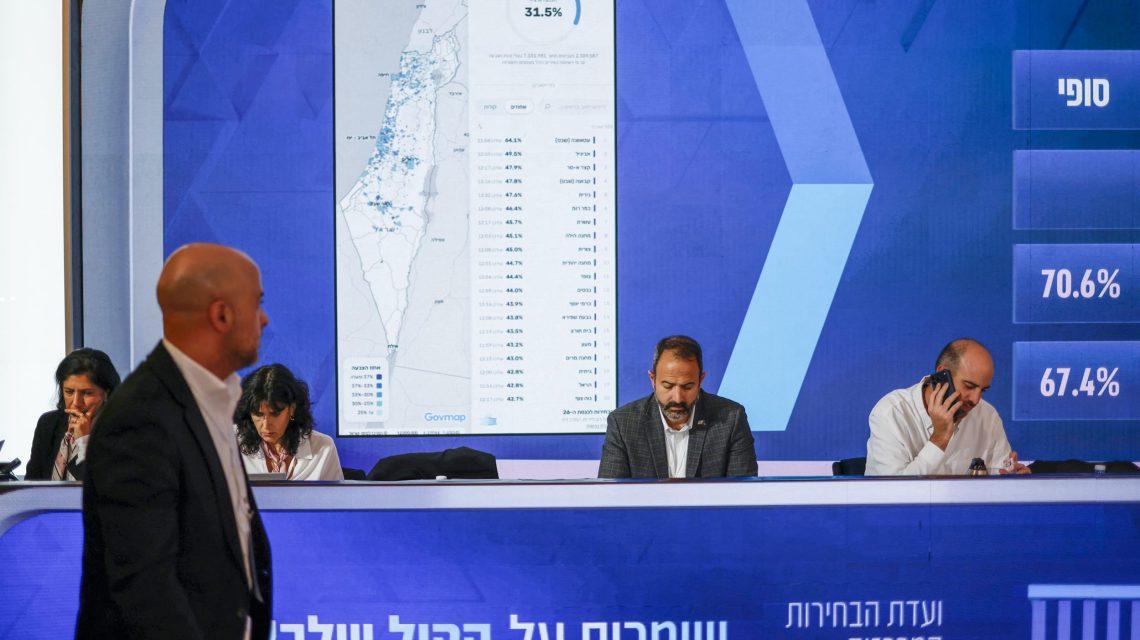
Israeli Prime Minister Benjamin Netanyahu delivered a defiant speech early in the morning to his supporters. The speech came right after the polls closed, with Netanyahu stating the need to form a “right-wing, national, strong government.” Likud, his political party, may emerge as the largest but lacks the majority needed in the 120-seat Knesset. He emphasized the critical nature of U.S.-Israeli relations and the ongoing conflict with Iran.
Misinformation Allegations in Netanyahu’s Campaign
Criticism arose over several posts made on Netanyahu’s social media account. Experts, including Achiya Schatz from Fake Reporter, suggested that some images shared, allegedly depicting Arab voters, were AI-generated. These posts, along with others, contributed to a narrative that stoked fear regarding Arab voter turnout. While some images couldn’t be authenticated, they were used multiple times to urge voters to support Likud, portraying high Arab turnout as a threat.
Election Rivals and Early Results
Yair Golan, Netanyahu’s rival from the Democrats party, claimed that voters had rejected Netanyahu’s government. He emphasized the desire for change, as initial results showed his party gaining significant support. Meanwhile, the Central Elections Committee released preliminary results, showing Likud leading with 26.50% of the counted votes. However, these results are subject to change as counting continues.
Arab Voter Impact
The Joint List, an alliance of Arab parties, celebrated high voter turnout among Palestinian citizens of Israel. This turnout could play a crucial role in preventing a Netanyahu-led government from gaining power. Netanyahu’s main opposition, Eisenkot, stands against forming a government with Arab parties, further complicating coalition dynamics.
Netanyahu’s Security Record and Public Sentiment
Netanyahu’s reputation as “Mr. Security” has been damaged following past security breaches. The public is also concerned with issues like the high cost of living and corruption. Voter turnout reached 77.7%, the highest since the 1999 elections, indicating strong public engagement in the election process.
Future of Israeli Government Formation
The official election results are expected within the next eight days. Meanwhile, political maneuvering to establish a government coalition will likely take place. A member of the Knesset needs a minimum of 61 seats to form a government, which may involve significant negotiation between parties.
International Focus and Criticism
Netanyahu frequently highlighted his relationship with U.S. President Donald Trump during the campaign. However, his leadership has faced strong criticism for its impact on Israel’s international reputation, particularly after the October 7 attacks and the response to ongoing conflicts.
High Stakes and Driving Forces in Voter Turnout
The election saw a high voter turnout driven by the perceived historical importance and aftermath of the October 7 attacks. The attacks, along with dissatisfaction with the current government, spurred opposition to mobilize voters extensively.
Concluding Observations
As the elections proceed, the shifting political landscape may lead to significant changes in Israeli politics. Both Netanyahu and his rivals are strategically positioning themselves amidst various challenges, including international relations, domestic issues, and security concerns.
 Former Press Secretary Criticizes GOP’s Election Strategies
 Trump and Cornyn Clash Over Judicial Nomination
 Ted Cruz and James Talarico Discuss Texas Space Academy Proposal
 Pentagon Releases Declassified UFO Files with Intriguing Plans and Reports
 Newly Proposed Legislation Aims to Ease Family Travel
 Trump Open to Bipartisan Health Care Plan with Democrats