New Homes Prices Drop
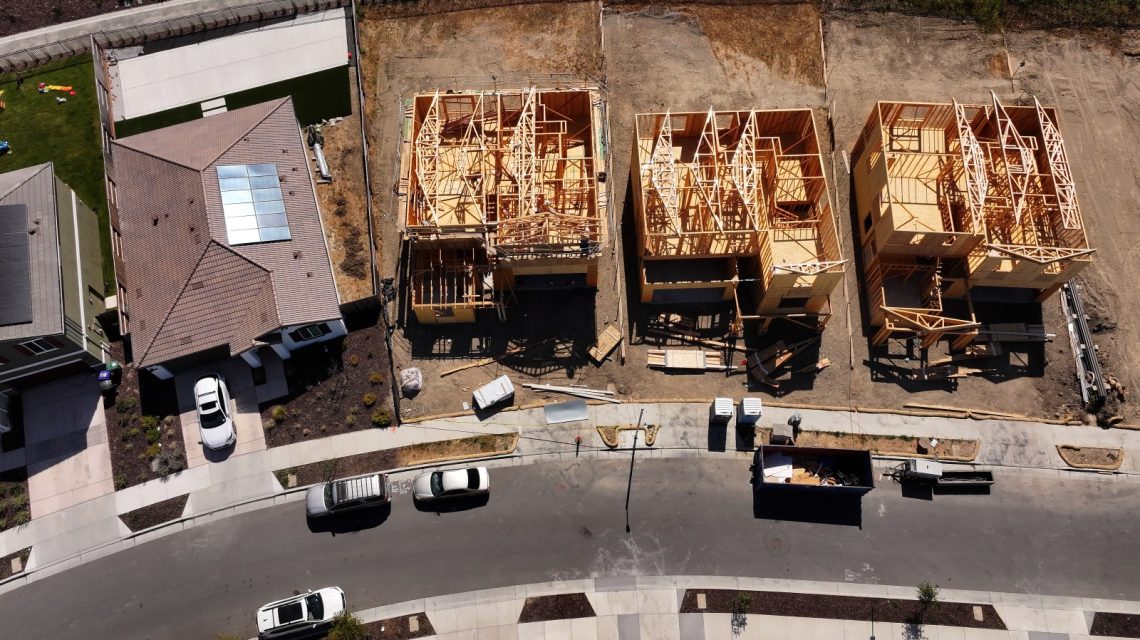
New homes are currently priced lower than they have been since the pandemic. This is due to persistent low demand, prompting homebuilders to offer significant discounts to attract hesitant buyers. According to recent data from the U.S. Census Bureau and the Department of Housing and Urban Development, the median sales price of a new home decreased to $393,800 last month. This is a 2.3% drop from June, when the price was $403,100, and a 0.9% decline from last year when it was $397,300. Realtor.com confirms that this is the cheapest price for new homes since July 2021.
Home prices nationwide have increased by approximately 30% since 2019. Therefore, this reduction is beneficial for potential homebuyers. The prices of new homes now match those during the pandemic buying frenzy and are more affordable than existing homes, which mainly populate the market listings. The median price for existing homes was $434,100 in July, significantly higher than new home prices.
Why Sales Are Low
Despite lower prices, new home sales are not booming. Americans are not purchasing new homes, which is why prices are dropping and supply exceeds demand. Data reveals that sales of new single-family homes were at a seasonally adjusted annual rate of 607,000 in July, reflecting a 10.5% decrease from June’s rate of 678,000 and a 6.3% reduction from last year’s rate of 648,000.
Buyers are hesitant due to ongoing affordability challenges. Rising home prices, increasing mortgage rates, and concerns regarding the cost of living contribute to this reluctance. As of August 20, Freddie Mac reported that the national average for a 30-year fixed-rate mortgage was 6.65%, contrasting with expert predictions that rates would fall below 6% this year.
The median sale price for existing homes rose from $425,700 in July 2025 to $434,100 in July 2026 despite a 1.7% decline in existing-home sales last month. The Midwest saw a 2.0% decrease, the South 3.1%, while the West remained steady at 0.2%, and the Northeast experienced a 2.0% sales increase.
Regional Differences in New Home Sales
Like existing-home sales, new home sales show varied regional trends. In the Northeast, new home sales reached their highest level this year, with a 30.3% increase from June and a 95.5% rise from July 2025. Conversely, the South saw a 13% monthly decrease and a 5.2% annual decline, while the Midwest experienced a 42.7% monthly drop and a 50.6% annual decrease. The West showed a 6.2% increase from June and a 2.2% rise from last year.
The South’s inventory is high due to high construction rates during the pandemic, as states like Florida and Texas received many new residents. Builders now face surplus inventory amid decreasing demand, higher borrowing costs, and remote work trends. This surplus results in increased competition for a limited buyer pool and reduced motivation for builders to construct more homes.
In contrast, the Northeast still faces a housing shortage with consistently high demand.
Future Outlook
Uncertainty surrounding the ongoing conflict in Iran affects Americans’ views on the U.S. economy’s future and its potential impact on personal finances. Combined with affordability issues and rising mortgage rates, this uncertainty is likely to keep demand low and prevent significant price growth soon. Nationwide home price increases are expected to remain modest, around 1% to 3%, as forecasted by Realtor.com.
The regional divide in the U.S. housing market is anticipated to persist. Some Northeast and Midwest markets may remain strong, while the South, particularly Florida and Texas, may see weak growth or declines due to abundant inventory.
 Construction Updates at Orland Park Costco and Amazon Retail Center
  Luxurious Long Grove Home for Sale
  Exploring Home Equity Loans Amidst Financial Uncertainty
  Aurora City Council Reviews Proposed Kingsley Row Townhouse Development
  Luxurious Lincoln Park Home with Modern Features
  Luxury Chicago Home Offers Modern Amenities and Vineyard Vibe