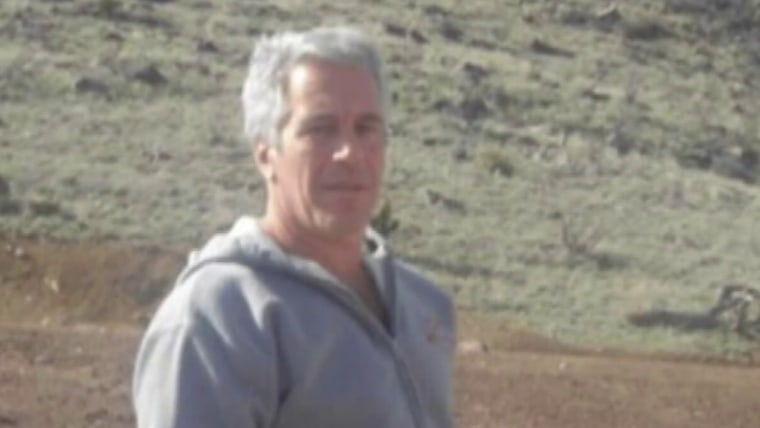
New Mexico lawmakers have initiated efforts to uncover the full extent of Jeffrey Epstein’s actions in the state and to determine if others should face prosecution. The New Mexico Truth Commission will issue subpoenas to 14 entities this week. These include federal agencies such as the U.S. Justice Department and FBI, as well as state and local law enforcement agencies that previously investigated Epstein.
Subpoenas are also expected for Epstein’s former banks, Deutsche Bank and JPMorgan Chase, and the Santa Fe Institute, a nonprofit supported by Epstein. If evidence of prosecutable crimes is uncovered, the commission will refer cases to appropriate law enforcement, either in New Mexico or elsewhere.
The goal is to ‘build a complete documented public record,’ stated Republican state Rep. Andrea Reeb during a recent meeting at the New Mexico State Capitol. ‘We will name what happened, we will name who was responsible, and we will do so with the evidentiary regard that survivors deserve and that the law requires.’
Reeb is one of four members of this bipartisan commission. It collaborates with the New Mexico Department of Justice, which has reopened a criminal investigation closed in 2019 at the behest of federal prosecutors in New York. This agency is also requesting Epstein records from federal authorities.
Epstein purchased a ranch outside Santa Fe in 1993 and visited it regularly. Despite longstanding allegations of sex crimes, he faced no charges in New Mexico. An NBC News review of court testimony, lawsuits, and other records revealed that at least 10 women accused Epstein of grooming or abusing them at the ranch, starting in the mid-1990s. Half of the women were teenagers at the time. Until this year, no law enforcement searched the ranch.
This situation in New Mexico mirrors a broader pattern concerning Epstein, beginning with a state investigation in Florida where he was accused of soliciting sex from underage girls. In 2008, Epstein secured a deal with state and federal prosecutors, avoiding serious jail time and concluding investigations in other states. Though required to register as a sex offender in Florida and New York, there was no such requirement in New Mexico.
Federal authorities in New York resumed the investigation in 2019 following a Miami Herald expose on Epstein’s plea deal. The New York prosecution primarily ignored allegations connected to the New Mexico ranch. After Epstein died in custody, the focus shifted to his accomplice, Ghislaine Maxwell, whose trial briefly included the New Mexico allegations. She is currently serving time in federal prison.
In January, the Justice Department released a cache of Epstein-related documents, uncovering details about the 2019 investigation’s closure and new allegations of ranch-based crimes, including an unverified claim of bodies buried on the grounds. These revelations have spurred New Mexico officials to thoroughly investigate the ranch activities.
Commission members emphasize a survivor-centered approach in their investigation. They plan to examine allegations of sex trafficking and financial crimes, and possible ‘medical and scientific crimes,’ as mentioned by state Rep. Marianna Anaya, though details were not provided. Funded by settlements with Epstein’s banks, the commission also aims to propose legal reforms to prevent lapses in prosecuting individuals like Epstein.
During a recent session, the commission heard from survivor Rachel Benavidez, who alleged abuse by Epstein while working as a licensed massage therapist at the ranch. They also heard from Virginia Giuffre’s family, a vocal victim who tragically took her own life last year. ‘We know Jeffrey Epstein could not have acted alone,’ remarked Benavidez. ‘The tentacles of this evil network extend across academia, science, medicine, politics, finance, and government.’