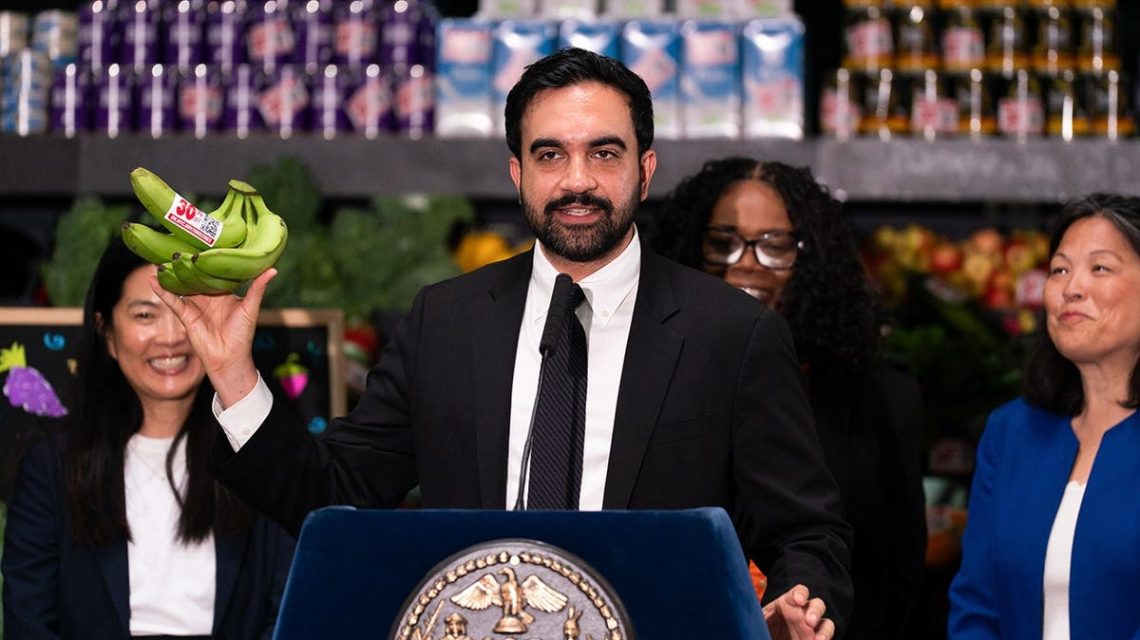
New York City Mayor Zohran Mamdani plans to open five city-run grocery stores across the city. John Catsimatidis, CEO of the Gristedes grocery chain, warns this initiative could harm local bodegas and supermarkets.
Plans for New Grocery Stores
In July, Mamdani announced that the first store will open in Hunts Point, Bronx by late 2027. All five stores should operate by the end of his term in 2030. The project has a $70 million budget.
The government-run shops will offer a 30% discount on a “core basket of everyday groceries,” including meat, seafood, and fresh produce. It’s an effort to address the city’s affordability crisis.
Concerns from Local Business Owners
Catsimatidis criticizes the plan, noting it could harm local businesses. He explains that these government-run stores won’t pay taxes or rent, giving them an unfair advantage.
Local grocery stores face various challenges such as competition from online vendors and thin profit margins, typically between 1% to 3%. Additional costs like congestion pricing and rising electricity prices further squeeze their revenue.
Impact of Congestion Pricing
Catsimatidis highlights the impact of congestion pricing in Manhattan, initiated in January 2025. This adds costs for deliveries south of 61st Street, which is affecting stores in the city.
He notes that suppliers in New Jersey, Nassau, Suffolk County, Brooklyn, Queens, or the Bronx charge more for deliveries into New York City because of these added expenses.
Considering Solutions
Catsimatidis suggests that if Mamdani’s administration offered tax credits, they might help reduce grocery prices for all residents without negatively impacting local businesses.
Nevin Cohen, director of the CUNY Urban Food Policy Institute, emphasizes the need to combat food insecurity. He notes that 1.4 million New Yorkers face uncertainty in affording food, with 20% relying on SNAP benefits or federal food subsidies.
Cohen mentions a program named “FRESH,” which encourages new supermarkets or the expansion of existing ones in underserved neighborhoods by offering tax and zoning incentives.
Catsimatidis acknowledges that city-run stores aim to serve low-income neighborhoods, but he worries about their impact on local businesses, while also critiquing Mamdani’s socialist approach.
 Surprise Win in Wisconsin Gubernatorial Democratic Primary
 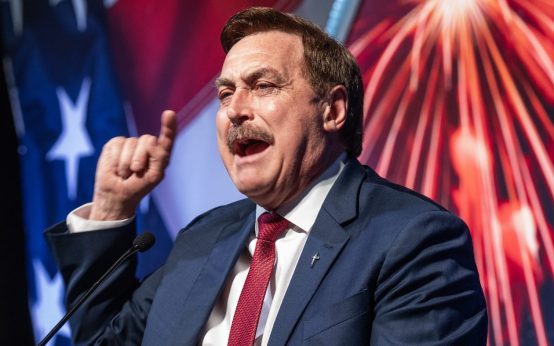 Wednesday Political Update: Lindell, Trump, and Renovations
  House Debates Student Loan Interest Rate Reductions
 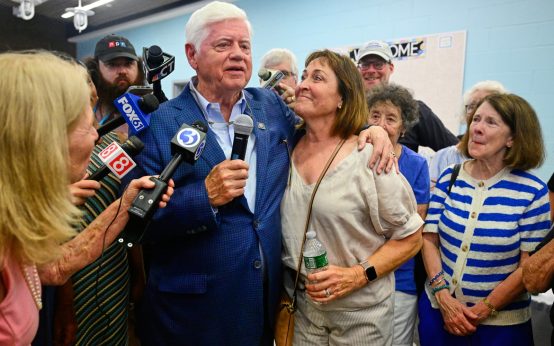 Generational Shift Evident as Longtime Legislator John Larson Defeated in Democratic Primary
  Bolivia Introduces Bill to Boost Legal Security and Attract Foreign Investment
  Concerns Raised Over President Trump’s Secret Plane Switch Amid Security Threat