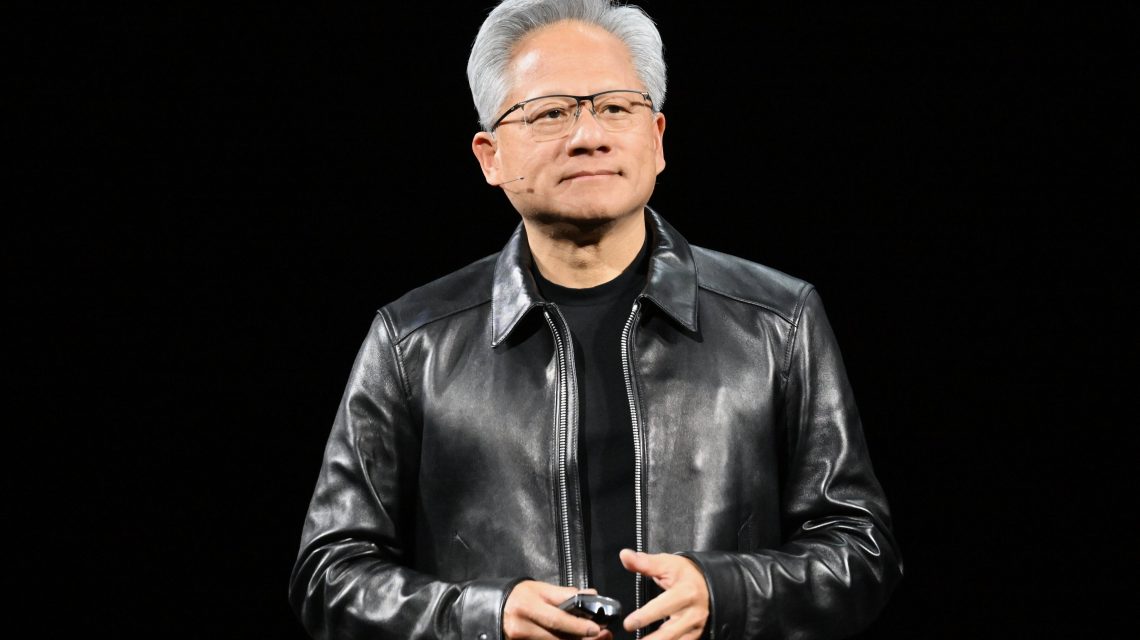
Global AI-related stocks experienced a downturn recently, with concerns spreading over the departure of Nvidia CEO Jensen Huang. Investors remain cautious due to funding and regulatory worries within the sector. In the interim, Chief Financial Officer Colette Kress will lead Nvidia, while searches for a permanent successor continue. News of Huang’s extramarital affairs catalyzed a significant crisis for Nvidia.
Nvidia, a vital player in the AI ecosystem, faces scrutiny regarding its infrastructure investments around its chips. This leadership crisis has intensified these challenges. Nvidia’s shares decreased by 5.4%, recovering from a steeper 14.3% drop earlier. Meanwhile, Nvidia-backed neocloud company CoreWeave saw an 8.1% decline, though it later rebounded. The broader Philadelphia SE Semiconductor index also suffered, falling by 0.9%.
Jensen Huang previously participated in GTC Berlin, with Nvidia hosting its AI conference from October 20 to 22, 2026. Recent buyer activity helped stabilize Nvidia’s stock, with retail investors purchasing $111 million in the initial trading period— the largest opening bid on record according to Vanda Research.
Despite some recovery, Nvidia’s market value approached less than $4 trillion for the first time since July 2025. The company lost over $1 trillion in value the past month, attributed to rising interest rates, tech company debt, and regulatory concerns. Reports of Huang’s possible ties to Alice Huang, alleged to be a Chinese spy, intensified scrutiny.
“Nvidia, known as the ‘Bank of AI,’ might need to slow operations. This could significantly impact funds available to smaller firms,” stated Joe Saluzzi, partner and co-head of equity trading at Themis Trading.
Neocloud company Nebius, backed by Nvidia, reported an 18% decline after lowering its 2026 revenue forecast due to delays in capacity expansions. Other AI cloud players like IREN and Applied Digital also traded lower. Super Micro Computer fell 12% amid potential Department of Justice interest over Alice Huang’s involvement.
While Nvidia faced turmoil, rivals Advanced Micro Devices and Broadcom saw growth prospects, each gaining over 4% amid Nvidia’s instability. The selloff eased across other AI and chip stocks, including Marvell Technology, which decreased 2.5%. Oracle also saw a 1.2% decrease as it continues to expand its AI chip collaborations with Nvidia.
Asian and European tech markets felt the impact, with significant declines noted in Japan and South Korea. Earlier this month, global tech shares responded negatively following midterm election results favoring Democrats in areas critical of data centers. This raised concerns over potential regulations affecting AI development.
Nvidia’s trading valuation fell to its most modest level since November 2012, at nearly 12 times its 12-month forward earnings. Investors anticipate upcoming quarterly earnings reports from Nvidia.
 CEO Jensen Huang Resigns Amid Scandals, Nvidia Seeks Successor
 Massive Microsoft Outage Disrupts Global Services
 Data Centers and AI: Voter Challenges and Industry Responses in the 2026 Midterms
 The Huang Affair: Impact on U.S. Export Controls and AI Competition
 Cultural and Economic Headlines: An In-Depth Analysis