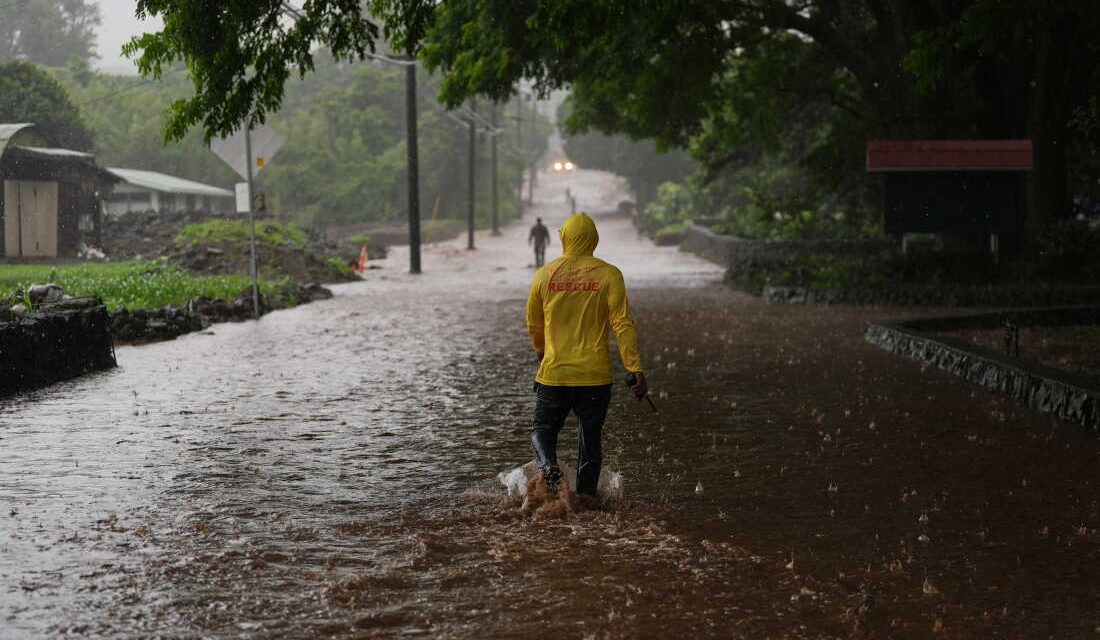
HILO, Hawaii — As Hurricane Nolo moved away from the Hawaiian Islands, Hurricane Polo threatened Mexico’s Baja California peninsula. On Saturday, Fire Captain Lui Sales of the Hawaii Fire Department helped residents along the flooded Mamalahoa highway near Naalehu.
Hurricane Nolo’s Impact on Hawaii
Nolo was positioned southwest of Hawaii, gradually moving away from the Big Island. Despite its distance, a high-wind warning, wind advisory, and high surf advisory were in effect for parts of the island. Nolo’s maximum sustained winds were near 105 mph (165 kph). Forecasters warned that Nolo’s outer bands could still trigger life-threatening flooding and mudslides, with rainfall of up to 20 inches (50 centimeters) on the Big Island. The storm also threatened other Hawaiian islands with heavy rain.
More than 120 National Guard members were deployed, part of around 400 activated statewide. An emergency proclamation by the governor led to President Donald Trump approving an emergency declaration, enabling the Federal Emergency Management Agency to coordinate assistance and funding. Hawaii continues to recover from recent Hurricane Lala, which displaced about 100 homes on the Big Island and caused significant damage.
During her inspection of silt-covered roads in Naalehu, Peggy McKibbin highlighted ongoing recovery efforts. The area suffered extensive damage from Lala, wiping out local infrastructure including a bakery, fire station, and hardware store. “Everyone has been very much affected by this,” McKibbin noted.
Hurricane Polo’s Threat to Mexico
In Mexico, residents of Baja California prepared for the arrival of Category 3 Hurricane Polo. By Sunday evening, Polo held maximum sustained winds of 125 mph (205 kph), according to the U.S. National Hurricane Center. The storm was centered about 270 miles (435 kilometers) west of Cabo San Lucas, moving north at 12 mph (19 kph). Polo’s impact was expected to bring heavy rain and potential flooding, along with life-threatening mudslides. The path suggested likely impacts on the Mexican mainland and parts of the U.S. Southwest later.
San Juanico, a small fishing community in Polo’s projected path, awaited the storm. This town, which has only had stable electricity for a few years, faced concerns about potential road washouts cutting off access to medical aid. Employees like Gloriely Robles Meza from a local hotel expressed community concerns, stating, “We haven’t faced such a worrying situation in many years.” Army soldiers had already arrived in San Juanico to prepare shelters and provide support.
Meanwhile, the Mexican navy positioned personnel and humanitarian aid in Guaymas and Mazatlan ports and readied three vessels to deliver aid to isolated coastal communities.
Busy Pacific Hurricane Season
The Pacific has seen above-average storm activity this season, consistent with El Niño patterns. According to National Weather Service lead forecaster Bob Oravec, the conditions often correlate with increased tropical storms and hurricanes.
On Sunday, a new development, Tropical Storm Rachel, formed off Mexico’s southwest coast. Rachel, with maximum sustained winds of 40 mph (65 kph), was located about 300 miles (485 kilometers) south of Acapulco. No coastal watches or warnings were in effect.
 Rise in Troop Wounded Numbers in Iran Conflict
  Calm Amidst Crisis: Finnish President Stubb on Europe’s Security
  Couple from Greece Faces Maternity Age Limit After Tragically Losing Son
 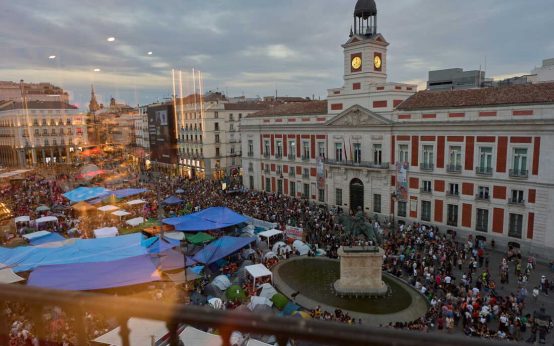 Protests Erupt in Madrid Over Housing Crisis After Elderly Woman’s Eviction
  U.K. Police Arrest Multiple Suspects Near U.S. Airbase
  U.S. Officials Confident in Iran Negotiations Amid Rising Tensions