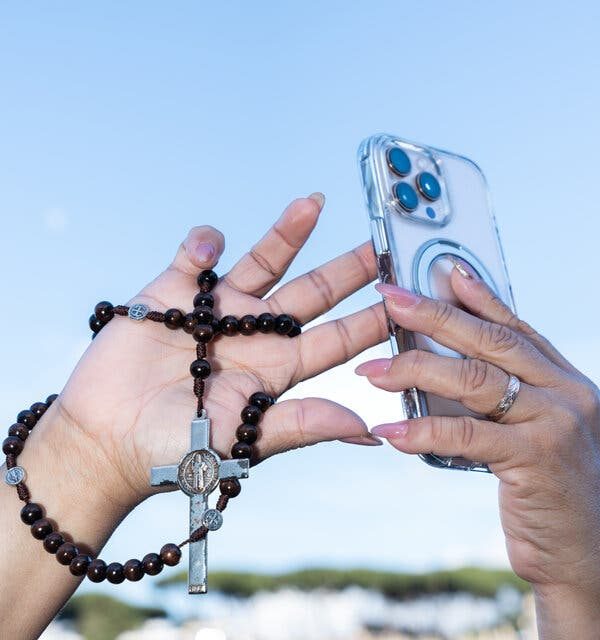
Pope Leo’s manifesto on artificial intelligence has ignited a variety of responses. From liberal humanists to digital consciousness enthusiasts, his message has been interpreted in myriad ways. However, AI skeptics express disappointment, feeling the pope’s statement didn’t address their concerns adequately.
Princeton’s Greg Conti, writing in Compact magazine, challenges Pope Leo’s depiction of AI’s threats. Conti questions whether we must accept the arrival of an AI-driven era. He proposes the pope should advocate for resisting AI advancements instead.
Cultural critic Anton Barba-Kay, in The Hedgehog Review, critiques Leo’s view of AI as a “valuable tool that requires vigilance.” Barba-Kay equates this perspective to considering cocaine a “valuable drug” that should be used cautiously.
“I thought Leo could have gone deeper into the sheer strangeness of artificial intelligence,” Ross Douthat expresses in response to these critics.
Douthat believes that while deeper examination of AI’s challenge to human exceptionalism would be beneficial, a call for resisting AI might be untimely. He suggests it’s both too late and too early for such a call. The technology’s widespread integration into society, its economic contributions, and institutional involvement make repression impractical at this stage.
The timing for a resistive message is considered premature, as human nature often reacts only once technology’s harms become apparent. Historical precedents show this pattern. Regulations associated with industrialization addressed visible crises; nuclear restraint movements emerged following Hiroshima and Nagasaki’s lessons; smartphone usage concerns developed post-2010.
In a perfect world, action would precede disasters. But in reality, both cautious humanists and alarmists likely require evident harm from AI before prompting global actions.
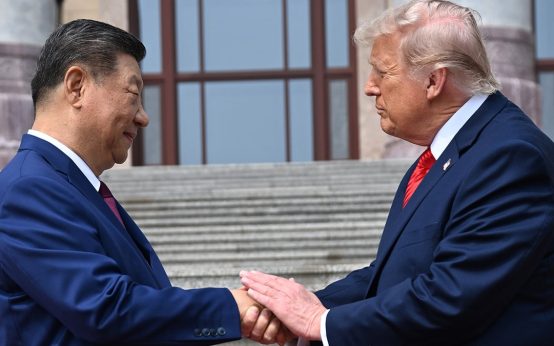 Beijing’s Tactical Undermining of U.S. Supremacy Through AI
  Artistic Chronicle of Communities’ Recovery Post-Hurricane Helene
 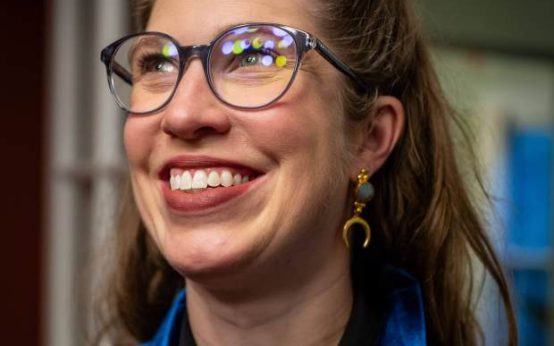 Chicago History Museum’s Latin American Exhibit Sparked by Student Protests
 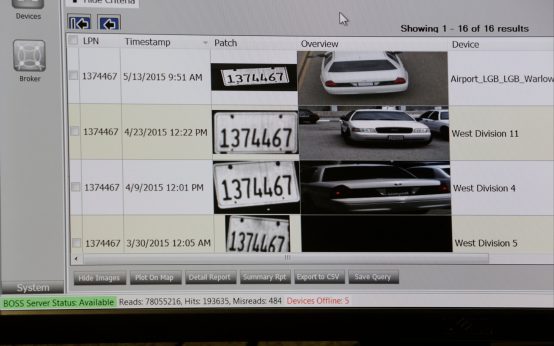 Controversy Surrounds Automated License Plate Readers Across the U.S.
  Trump and Harp Sued Over Truth Social Subscriber Program
  DNA Links Jefferson to Hemings Descendants