At a recent Pentagon news conference, a security agent for Defense Secretary Pete Hegseth issued an unexpected warning to reporters. The directive cautioned that those failing to maintain decorum or professionalism could face removal. This announcement was unprecedented according to seasoned Pentagon press corps members.
Journalists, including those from The Washington Post, sought clarification, particularly if shouting questions might lead to removal. However, neither the security agent nor a Defense Department staffer elaborated. Joel Valdez, one of Hegseth’s political staffers, offered to clarify the rules off the record but walked away when reporters objected.
In his briefing, Hegseth defended his record as an impeachment vote looms in Congress. He spoke to reporters for about 30 minutes and addressed a few questions without any incidents of removal.
The U.S. Military Academy at West Point plans to appeal a recent judicial decision that struck down its faculty speech policy as unconstitutional. This policy required professors to obtain permission before external speaking or writing engagements.
Implemented following a presidential order, the rule was challenged by Tim Bakken, West Point’s longest-serving civilian law professor, for infringing on First Amendment rights. Judge Cathy Seibel sided with Bakken, halting the enforcement of these guidelines for civilian professors.
Despite this ruling, West Point continued to demand authorization for any faculty appearances. On November 5, the academy filed a notice to appeal Seibel’s decision. Bakken affirmed his commitment to fight for academic freedom.
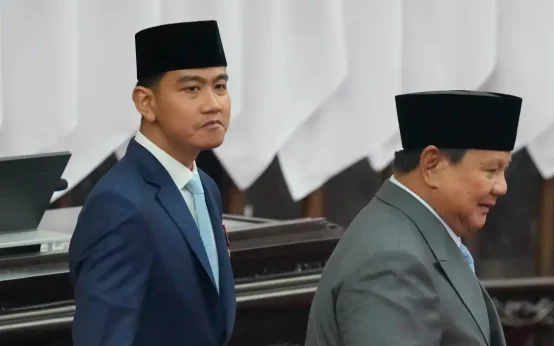 Indonesian Political Turmoil: Vice President Offers Resignation
 Election Signals Strong Message to Washington
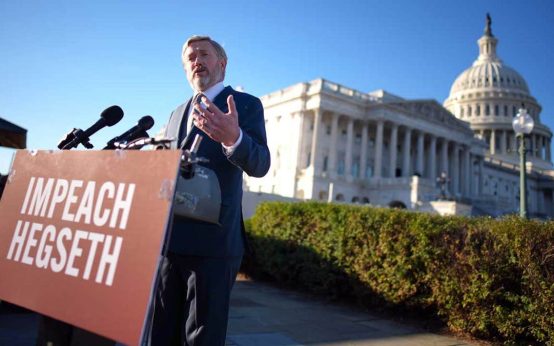 Trump Backs Pete Hegseth Amid Impeachment Efforts
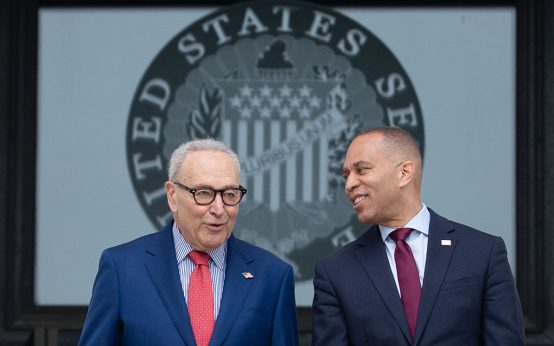 Trump Considers Immigration Deal as Democrats Seek Assurance
 The Influence of Film Subsidies on Speech and Markets
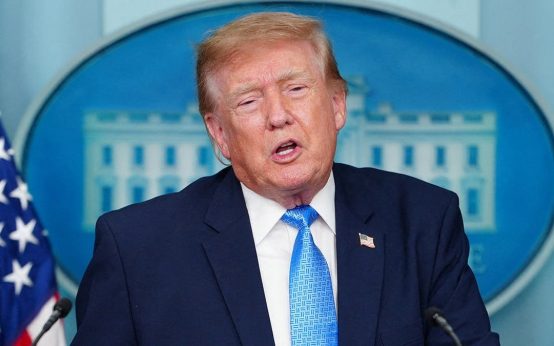 President Trump Discusses Immigration, Deportation, and International Relations