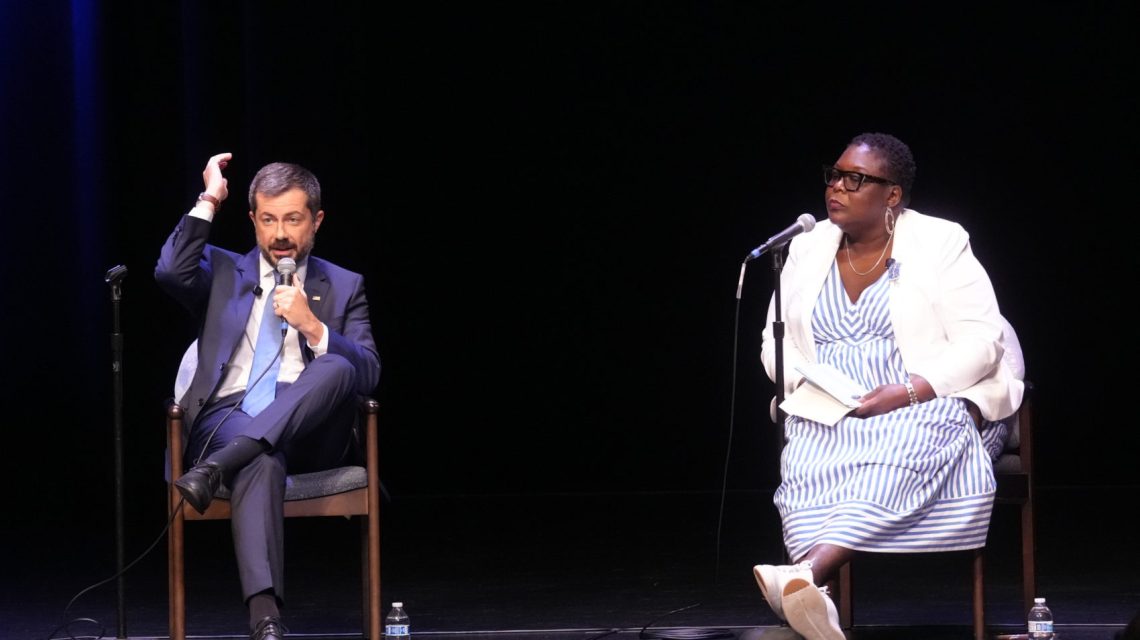
Pete Buttigieg recently returned to South Carolina for the first time since his presidential campaign ended there. He aimed to reconnect with Black voters who had been hard to reach in 2020. This time, however, Buttigieg received a warm welcome, marked by standing ovations during his speeches.
While speaking at a Black church, Buttigieg was acknowledged for securing federal funds for a local project as the Secretary of Transportation. He also addressed an audience of over 200 people at an NAACP Freedom Fund Dinner, discussing a future different from the past. His reception on this visit was notably different from his failed campaign six years earlier. South Carolina’s role as the first contest in the Democratic primary for 2028 adds significance to his effort to win over Black voters.
‘You need to demonstrate that you can win Black voters,’ said Jaime Harrison, a former Democratic National Committee chair. ‘If you can’t win Black voters, you can’t be the nominee of our party.’
Buttigieg remains undecided about a 2028 presidential run, but his recent activities in South Carolina indicate preparation. He has started fundraising and engaged with students at Claflin University, receiving positive feedback from attendees. At an Orangeburg church dinner, Buttigieg actively interacted with the community, emphasizing his achievements like the $22.7 million Railroad Corner project grant.
In his speeches, Buttigieg argued that Democrats need to address both economic issues and the political system. He stressed the importance of aligning everyday problems with systemic reforms. Orangeburg’s mayor, Michael Butler, and other local leaders responded positively to his message.
South Carolina’s move to shape the early Democratic primary phase provides Black voters a stronger voice. This involves engaging directly with candidates, aiming for more close-knit political interactions. Other potential 2028 contenders, such as Gavin Newsom, Andy Beshear, Ro Khanna, and Cory Booker, have also begun visiting the state. Kamala Harris continues to have long-standing connections in South Carolina.
The political landscape in the state has evolved since Joe Biden’s decisive win there in 2020 and the recent Supreme Court decision affecting the Voting Rights Act. Buttigieg highlighted concerns over efforts to reduce African American political power, presenting such moves as part of an extended campaign. It has to be a good start and then you got to continue,” Harrison cautioned. “It can’t just be, ‘Oh, pop in and then I’m going to pop back out.’
The involvement of candidates like Buttigieg in South Carolina further underscores the necessity for ongoing engagement with voters and maintaining dialogue on pressing issues.
 U.S. Set for Largest Ever Visa Revocation Targeting Asylum Seekers
  U.S. Strategy Focuses on Economic Pressure Over Military Action in Iran
  Democratic Candidate Christina Bohannan Campaigns in Iowa
  Historic Opportunity for a Female UN Leader Faces Challenges
  Supreme Court Decision on Trump Administration’s Mail-In Ballot Order
 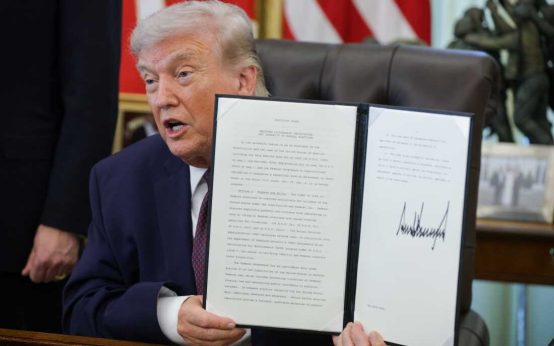 Supreme Court Pauses Ruling on Trump’s Mail-In Voting Directives