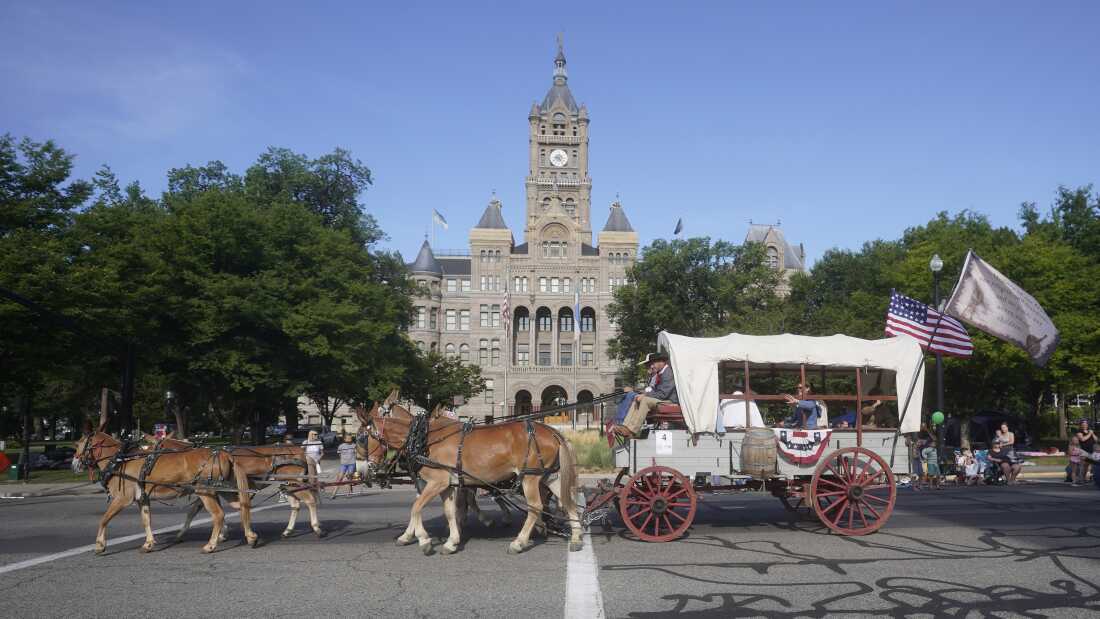
Pioneer Day is a cherished event unique to Utah, celebrated each July 24. The day features parades, rodeos, and fireworks. In 2021, a parade in Salt Lake City showcased a wagon drawn by horses, a scene documented by Rick Bowmer/AP.
Despite the heat, many Utahns gathered in downtown Provo on Pioneer Day to participate in festivities similar to the Fourth of July. This holiday honors the pioneers’ 1847 arrival in the Salt Lake Valley. Their settlement marked the beginning of the state, offering a haven for persecuted members of The Church of Jesus Christ of Latter-day Saints, often referred to as Mormons.
This year’s celebration in Provo included a lively line dance to “Footloose” and a conga line led by energetic fiddlers. Performers such as Ryan Shupe and Susie Brown entertained the crowd, as captured by Ciara Hulet/KUER.
“Their blood’s in this ground, and their spirit’s still around here,” said tribal council member Perry Murdock.
Despite the celebrations, the holiday often overlooks how early settlers displaced Native people. Few Utahns are aware of the 1850 Provo River massacre. Last February, Timpanogos Nation members held a memorial walk to educate others about their ancestors’ fate.
A pivotal event occurred when settlers accused a Native man of theft, and upon his refusal to return the item, they killed him. Historian D. Robert Carter, author of “Founding Fort Utah,” recounts that this escalated tensions, leading pioneers to consult their prophet and governor, Brigham Young. Young’s response was clear: “I say, go and kill them.”
Subsequent orders to local militia commanded them to “exterminate” any non-surrendering Timpanogos individuals. This led to a two-day conflict where at least forty Native people were killed, though some estimates suggest the number could be over a hundred.
Mary Murdock Meyer, chief executive of the Timpanogos Nation, stated, “Our people are still living in fear, a lot of them.”
Meyer expressed a desire for the LDS Church or Utah’s governor to apologize and revoke the extermination orders. “It would bring peace to our people,” she said.
Perry Murdock noted similarities between these orders and the 1838 Missouri directive against Mormons, remarking, “They escaped the extermination order themselves, only to come out here and put one on our people.”
Utah House Minority Leader Angela Romero supports discussions about issuing a formal apology. While she cannot compel the LDS Church or governor to apologize, she has taken steps to address the issue.
Provo Mayor Marsha Judkins acknowledged her ancestors’ involvement in the massacre. During the Pioneer Day concert, she addressed the audience, sharing the need to learn from history and recognize the impact on Provo and Utah Valley. She then welcomed Chief Meyer to the stage.
Former Brigham Young University student Sam Andersen learned about the extermination orders during the celebration. Although shocking, he found it fitting for recognizing the holiday.
“I think the most beneficial history for us to celebrate is one that’s holistic and includes all voices and stories,” Andersen said, hoping Utah will rescind the order.
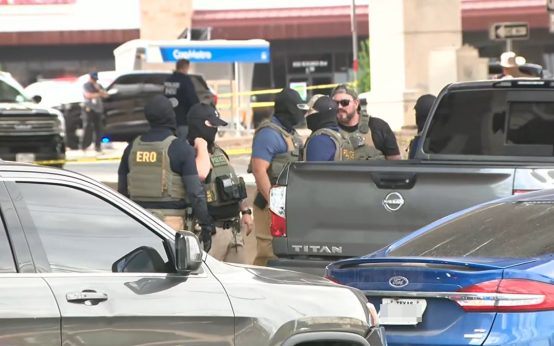 ICE Shooting Incident in Austin Sparks Demands for Transparency
 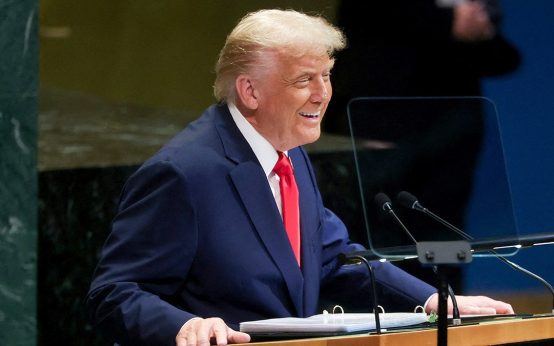 U.N. General Assembly Set to Host Key Diplomatic Moment
 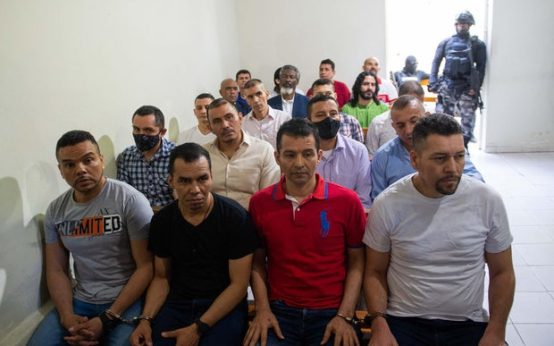 Suspects in Haitian President’s Assassination Await Extradition to U.S.
  Ambassador Avoids Timeline on Prolonged Iran Conflict
  Controversy Surrounds Children’s YouTube Star and Journalist’s Revelations
  German Chancellor Friedrich Merz Faces Challenges After Election Losses