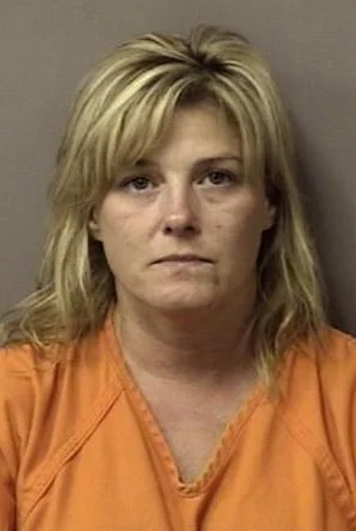
State legislatures are increasing funding to private schools, leading to significant growth in recent years. This expansion has occurred with minimal oversight from states, raising concerns about who runs these schools, their curriculum, and student performance. For example, a Florida teacher, whose license was revoked for sexual abuse, now runs a private school. Cases like this highlight the lack of regulation in private schooling.
Growth of Private Schools Funded by Public Money
Private schools in states like Florida and Arizona have grown rapidly due to public funding, yet these states lack basic oversight mechanisms. This means that founders with troubling backgrounds can still open schools. For instance, an Arizona education official praised Mike Tyson, a former convict, for his role in starting a private school. Some states cannot even account for the number of private schools or their locations, despite substantial taxpayer investment.
In 2024, Arizona allocated hundreds of millions to voucher programs but did not track the schools or their effectiveness. Similar patterns are evident in other states, where funding has similarly increased the number of private schools.
Impact of Voucher Programs
Voucher programs allow families to use public money for private education. Currently, 30 states offer such programs, with EdChoice estimating more than 1.5 million students benefit. However, students with disabilities often face exclusion, as private schools aren’t required to admit them.
Unlike public schools, private institutions operate with less accountability. This has stirred concerns about the future of public education. Paul Hardesty, a critic of West Virginia’s private school laws, contrasts the heavy regulations on public schools with the lax rules for private ones.
Case Studies Exposing Issues
In recent years, states like Florida have seen an increase in new private schools, funded by public money, but with little oversight. ProPublica highlighted cases where school founders had criminal pasts or were otherwise unqualified. Tara Salute, convicted of a felony child abuse charge, opened a school in Florida without proper registration. Public exposure led to some corrective actions, but similar cases persist.
Mike Tyson’s involvement with private education systems exemplifies the lack of scrutiny, emphasizing how private schools can operate in various unconventional locations. In West Virginia, schools are even established in family fun centers, illustrating the diverse nature of new private school environments.
Future of Private School Funding
Efforts to introduce accountability for private education have largely failed, with vested interests pushing against regulation. Legislators aiming to improve transparency have faced electoral setbacks. Despite this, the growth of voucher programs has opened opportunities for private schools, albeit raising questions on oversight.
Ultimately, while voucher programs provide choice for families, the lack of regulation continues to pose risks to student safety and educational standards. The balance between funding freedom and ensuring quality education remains contentious, with state and federal policies continuing to evolve.
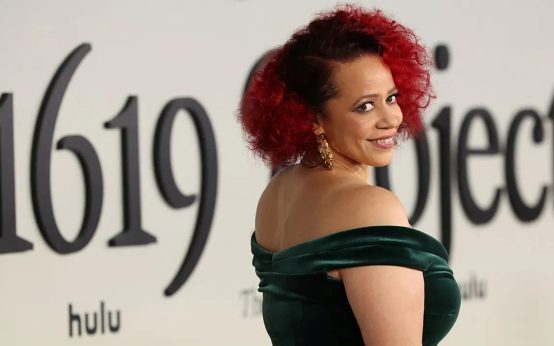 Nikole Hannah-Jones Reflects on School Choice and Its Impact
  High School Student’s Suspension Over Coffee Sparks Policy Review
 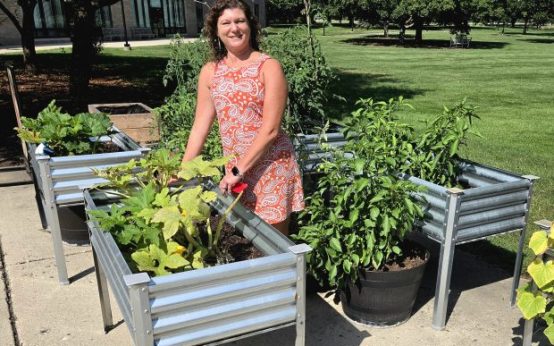 Waubonsee Community College Opens New Food Pantry to Combat Student Food Insecurity
  Parents Share College Financing Advice
  Expansion of AI-Driven Schools Across the U.S.
  Bill Proposes Automatic Enrollment for Struggling Student Loan Borrowers