
Recent protests over revisions to India’s voter rolls have significantly shaken Prime Minister Narendra Modi’s longstanding political dominance. The country, boasting nearly a billion voters, is witnessing a surge of dissent, with young demonstrators actively participating in mass protests.
These events, referred to as the ‘cockroach’ protests, mark a critical moment in Modi’s tenure, forming his most formidable challenge since his initial election in 2014. Protesters have gathered in major cities, including New Delhi, demanding attention to their concerns about the government’s actions.
The Cockroach Janta Party, leading the protests, has succeeded in mobilizing thousands of youths, manifesting dissatisfaction with the current administration. Demonstrators have not only showed their presence but have also taken bold actions, such as climbing buses to amplify their cries for change.
Modi, who has enjoyed substantial support for years, now faces unprecedented pressure to address the grievances voiced by these protestors. The implications of these movements could signify a shift in the political landscape of India, demanding watchful eyes from both national and global communities.
The coming days will reveal how the government responds to these challenges, potentially offering insights into the future direction of Indian democracy under Modi’s leadership. While the prime minister’s political strength has weathered numerous storms, the current scenario presents a unique test of his ability to navigate through and maintain support amidst growing unrest.
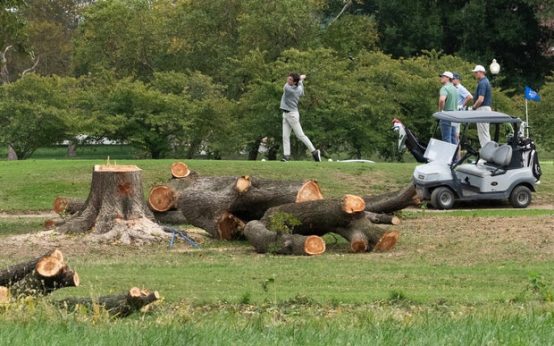 Federal Judge Halts Tree Removals at East Potomac Golf Links
 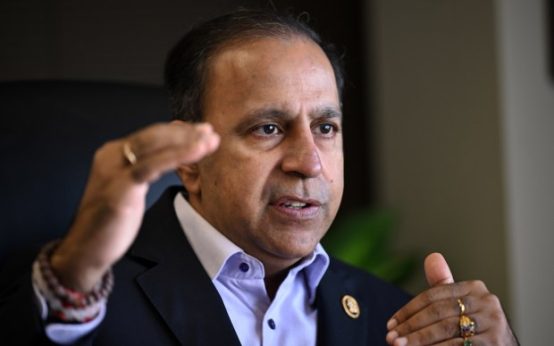 Raja Krishnamoorthi Reflects on Political Career and Future
  Supreme Court to Review Case on U.S. DOGE Service Records
  New White House Press Secretary’s Debut
 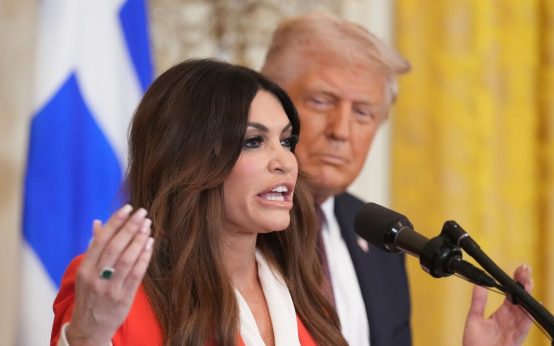 News Highlights: Guilfoyle Scandal, Turek vs. Hinson, Trump Heads to Alaska
  Katie Zacharia’s First Briefing as Press Secretary