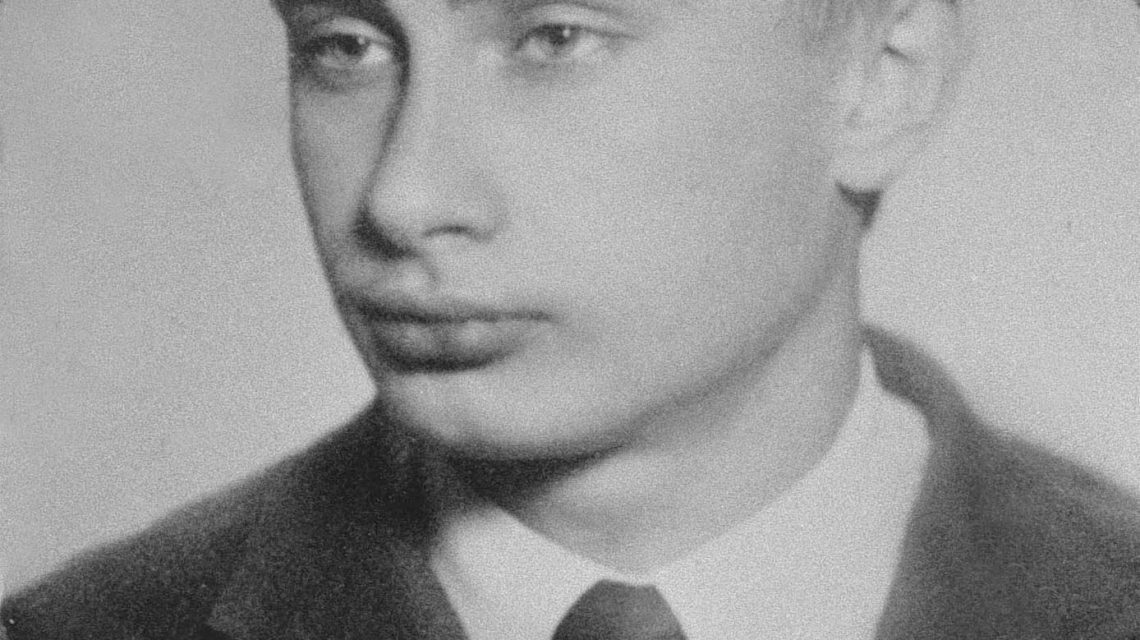
Bryan Adams’ song “Summer of ‘69” evokes nostalgia. It recalls a time of teenage romance and endless possibilities. Vladimir Putin, at 16, had a different experience. While Adams sang about good times, Putin navigated life in Leningrad. He was interested in joining the KGB, managing school and home life in a communal apartment.
Now, Putin proposes a meeting. He wants to discuss the Ukraine conflict with China’s President Xi Jinping and Donald Trump. Ukraine’s President Volodymyr Zelensky is not included. This reveals Putin’s worldview, shaped during the Soviet Union’s peak. Trump faces a dilemma. Accepting Putin’s terms means endorsing his perspective.
The Dynamics of Power
Putin started a “special military operation” in Ukraine. Yet, he excludes Ukraine from talks about its own future. This approach puzzles outsiders. How can a country central to a conflict be excluded from peace talks? From Putin’s perspective, major powers determine outcomes. Smaller nations have limited influence.
Historically, the Soviet Union acted similarly. In 1956, Soviet forces quashed a Hungarian uprising. In 1968, they suppressed Czechoslovakia’s reforms. These actions demonstrated the Soviet influence over Eastern Europe. Putin’s recent security demands from NATO reflect this old mindset. He wants to halt NATO expansion and exclude Ukraine from joining.
Modern Power Structures
Putin envisions a resolution similar to the 1945 Yalta Conference. There, global leaders divided post-war Europe. Alexander Baunov, a Russian analyst, views Putin’s proposal as seeking a “new Yalta.” Putin believes big powers should decide world affairs, without involving smaller nations like Ukraine.
This perspective overlooks several issues. Russia’s current standing is not as strong as before. In 2005, Putin called the Soviet collapse a “geopolitical catastrophe.” He missed the era when Russia was a superpower. Today, Russia retains nuclear capabilities and a U.N. Security Council seat. Yet, economically it lags behind major powers like the U.S. and China.
Russia in the Global Hierarchy
Russia’s economy is significantly smaller than the U.S. and China. In 2025, the World Bank valued the U.S. economy at $30.8 trillion. China’s economy was valued at $19.5 trillion. Russia’s economy was $2.6 trillion. A meeting with Trump and Xi would highlight this disparity. Russia’s role would be minor compared to China’s, which provides industrial imports and markets for Russian exports.
Despite historical tensions, China is now a key ally. In the 1960s, Soviet and Chinese troops clashed. Today, China is vital for Russia’s economy.
Putin’s Ideological Stance
In July 2021, Putin published an essay on Russian and Ukrainian unity. He expressed respect for Ukraine’s identity while denying its full sovereignty. He argued Ukraine can be truly sovereign only with Russia. Putin viewed Ukraine as part of Russia’s “larger world.”
This mindset persists. Putin declared at an economic forum that Russians and Ukrainians are one people. He believes areas occupied by Russian forces belong to Russia.
Trump’s openness to meeting Putin and Xi is significant. He stated discussions would center on nuclear issues. However, this aligns with Putin’s goals. If the meeting happens, Putin’s worldview gains recognition. It reaffirms great powers deciding global affairs, with Ukraine on the sidelines.
 Rogers Criticizes El-Sayed’s Policies in Michigan Senate Race
 Texas U.S. Senate Race Heated Ahead of 2026 Midterm Elections
 President Trump’s Critique of Democrats at Kansas Rally
 Challenges Faced by the U.S. Press Secretary in Historical Context
 Trump Administration Prepares Afghanistan Withdrawal Review
 Ukrainian President Responds to U.S. Abandonment Amid Strained Relations