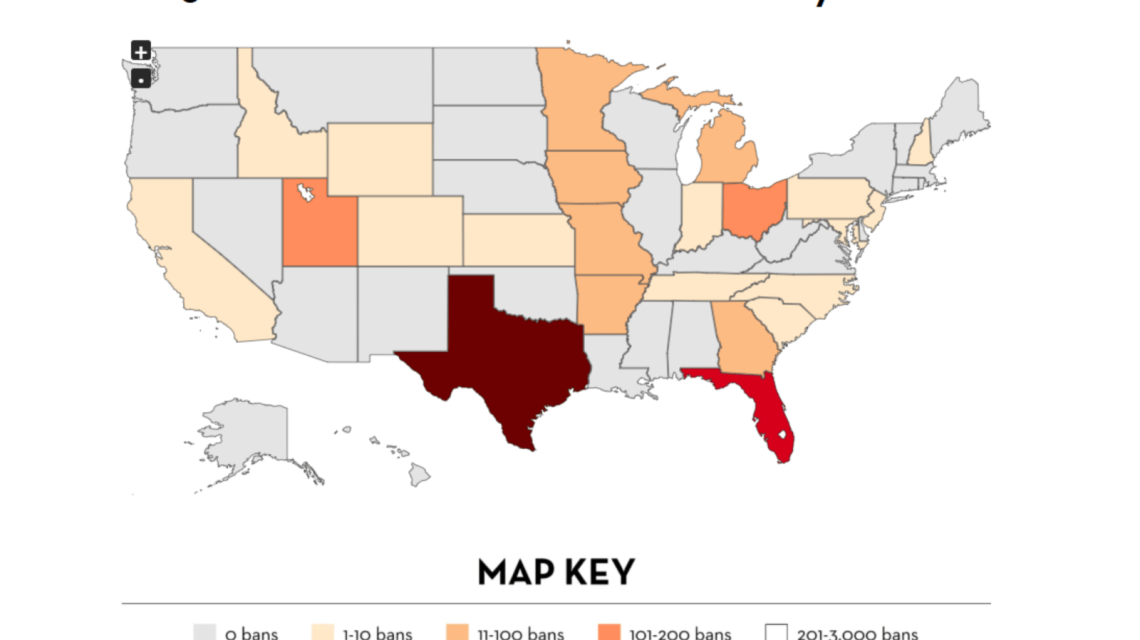
Nearly 12,000 books were removed from U.S. public schools during the 2025-26 school year, according to a PEN America report. This marks the highest number of bans since the organization began tracking this issue in 2021.
The free-speech organization reported that public schools banned 11,982 books, with 7,370 unique titles affected. Notable titles include Jane Eyre by Charlotte Brontë, Bonnie Garmus’ bestseller Lessons in Chemistry, and the Japanese manga series Tokyo Ghoul by Sui Ishida. The bans were most prolific in Texas and Florida, with Texas recording over 8,000 bans and Florida over 3,000.
Supporters of book bans argue against censorship claims, suggesting that parents and communities should influence what children access in schools. They focus on books with sexual content, graphic imagery, or mature themes, arguing for age-appropriate materials rather than restrictions on speech.
State Trends and Special-Interest Influence
PEN America stated that Texas and Florida have become examples of educational censorship. They noted collaboration among special-interest groups, state laws, and politicians to pressure school districts to limit book access.
The report highlighted that over half of banned books were young-adult titles, and over 80 percent were fiction. A total of 114 school districts imposed bans, the most recorded by the organization.
Reasons Behind Book Bans
PEN America attributes book bans to state legislation and advocacy group pressures. In 72 percent of tracked districts, bans link to state laws or policies. Their five-year review shows a consistent targeting of books featuring LGBTQ+ characters, people of color, race discussions, and sexually themed content.
Manga and graphic novels are notably targeted, with critics focusing on specific illustrations of sex, violence, or gender identity. Noteworthy manga authors facing scrutiny include Hajime Isayama, Atsushi Ohkubo, and Rumiko Takahashi.
AI’s Role in the Banning Process
A controversial report finding is the increased use of AI in book reviews. PEN noted some districts use AI to comply with state laws, although AI systems often recommend removal based on bans elsewhere rather than content review.
This could lead to the spreading of book bans without independent content review, according to PEN.
Support for Book Restrictions
Supporters of book removal argue for reviewing materials deemed sexually explicit or otherwise inappropriate for young students. For example, Texas’ SB 13 requires districts to review materials containing indecent content.
PEN America opposes these removals, arguing they limit students’ literary access and exposure to diverse perspectives and literature.
PEN America stated: “Book bans impede the freedom to read, cutting students’ access to a diversity of views, voices, perspectives, and literature they deserve to encounter.”
Debate Over Book Bans
The increase in book bans has led to a national debate on censorship, parental rights, and free expression. Illinois Governor JB Pritzker opposed the bans as a threat to free thinking.
In 2023, Illinois aimed to prevent book bans in libraries by linking it to state funding eligibility. Pritzker stated: “Young people shouldn’t be kept from learning about the realities of our world…” Recently, he expressed that democracies leave books uncensored, unlike regimes.
Authors like Margaret Atwood, Judy Blume, and LeVar Burton have spoken out against book bans. Atwood warned they lead to broader censorship efforts. She invoked Fahrenheit 451 as a cautionary tale against reaching the point of book burnings.
Blume called the current wave of challenges worse than past censorship campaigns. She expressed concern over increasing intolerance in the U.S. toward gender, sexuality, and racism.
With record school book bans, the conflict between free-speech advocates and those seeking oversight continues. This makes access to diverse books a heated issue in American education.
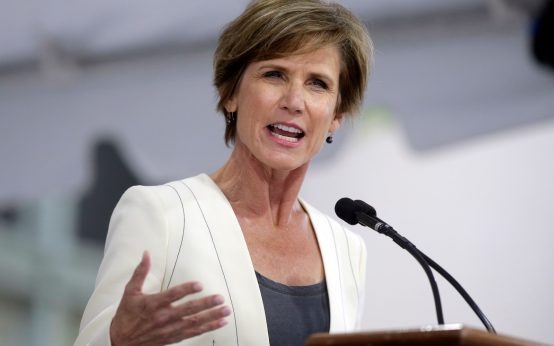 Cornell University Engages Sally Yates for Independent Sexual Misconduct Review
 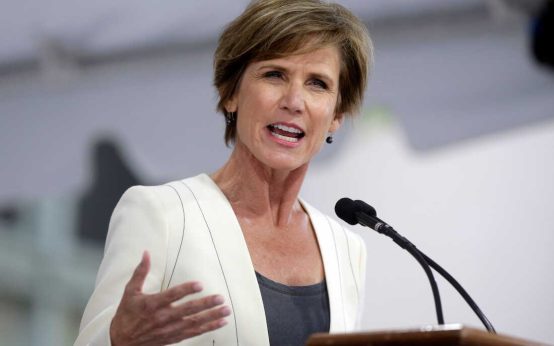 Sally Yates Leads Investigation into Cornell’s Handling of Rape Allegations
 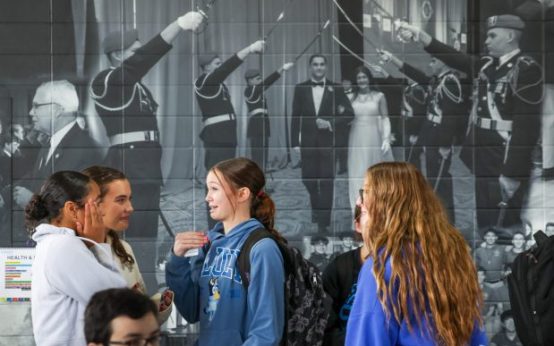 Marmion Academy Embraces Co-Education
  Cornell University Confronts Sexual Assault Allegations Amid Campus Protests
  Protest and Vandalism at Cornell University Over Allegations
  Exploring the Ease of Opening Private Schools