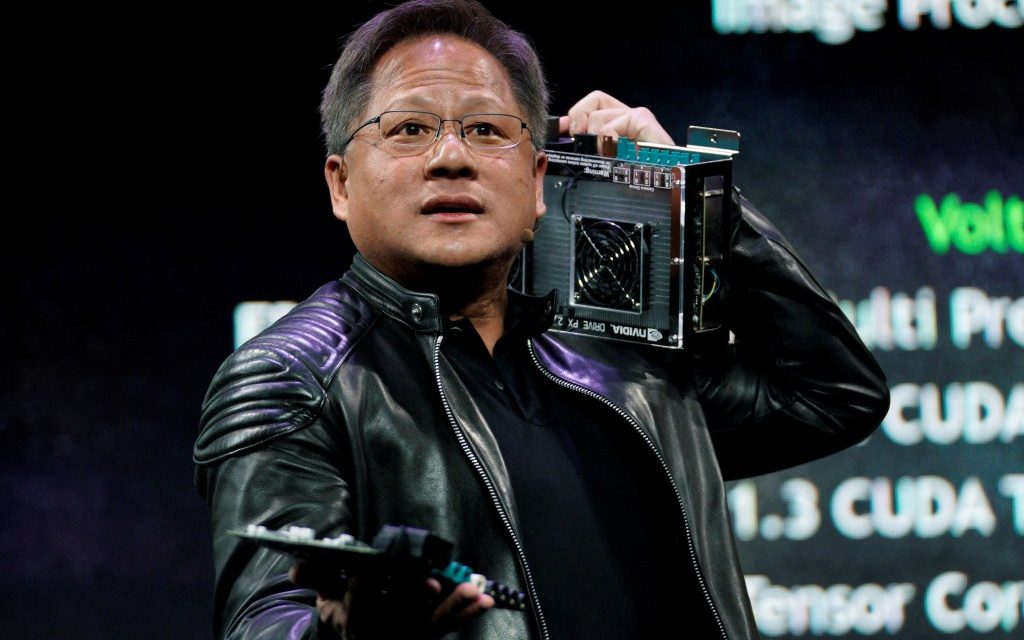
Renaissance Technologies, a hedge fund in New York, strategically reduced its Nvidia holdings before a significant drop in the company’s value, as shown in securities filings. Known for its quantitative trading models, Renaissance, founded by mathematician Jim Simons, significantly reduced its Nvidia shares from 7,091,256 as of June 30 to just 23,170 by September 30. This move helped the firm avoid a potential loss of $512 million.
Renaissance’s actions took place before any public knowledge of Nvidia co-founder Jensen Huang’s issues, which were officially investigated after September 30. Nvidia shares fell dramatically, reflected in the broader market where the SPDR S&P 500 ETF Trust held 6.1% in Nvidia stock, impacting numerous retirement funds.
Major investors, including Tiger Global Management and Coatue Management, increased their Nvidia holdings but faced substantial paper losses due to the price decline. For instance, Tiger Global’s holdings are now valued at $867 million less, while Coatue Management’s are $452 million down.
Other significant investors like Dan Loeb’s Third Point, which initially increased its stakes in Nvidia, later communicated a reduction in chip and data center holdings. This decision potentially minimized further losses. Hedge funds like Soros Fund Management and Bridgewater Associates also adjusted their positions, with Soros reducing Nvidia shares by 19.3% and Bridgewater by 30.5%.
Simultaneously, Renaissance Technologies shifted its focus, significantly increasing stakes in other tech firms. This included a massive increase in Micron Technology holdings and a first-time investment in SpaceX worth $620.5 million.
Meanwhile, the New York State Teachers’ Retirement System faced substantial losses due to its large Nvidia holdings, amounting to 7.8% of its portfolio. Despite selling 4.3% of its shares before the price drop, the remaining shares lost considerable value.
The complexity and timing of 13F filings present challenges in assessing real-time actions and strategies. These filings, typically disclosed 45 days post-quarter, lack details on trade dates and prices. Nvidia is poised to release its first quarterly update under interim CEO Colette Kress, providing further insights into the company’s operations amid these shifts in leadership and stock value.
 Taiwan Limits Short Selling Amid Market Turmoil
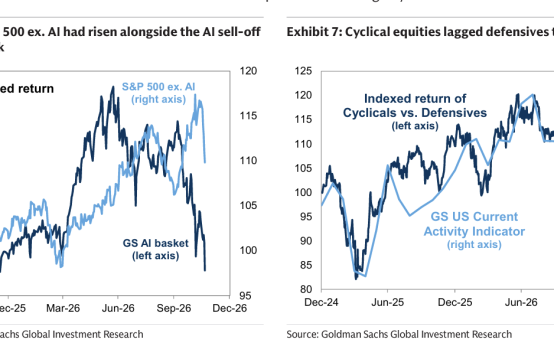 Goldman Sachs Outlines Market Recovery Conditions Amid S&P 500 Correction
 Market Downturn Triggered by AI Stock Sell-Off
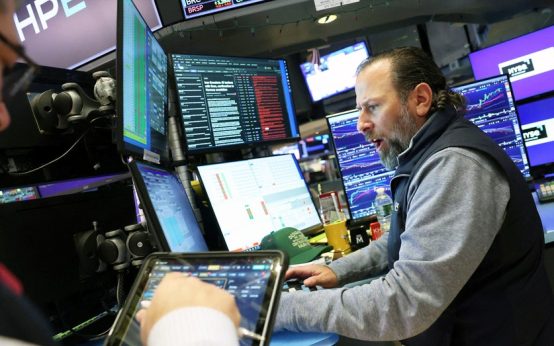 U.S. Stock Market Hit by AI Stock Sell-Off
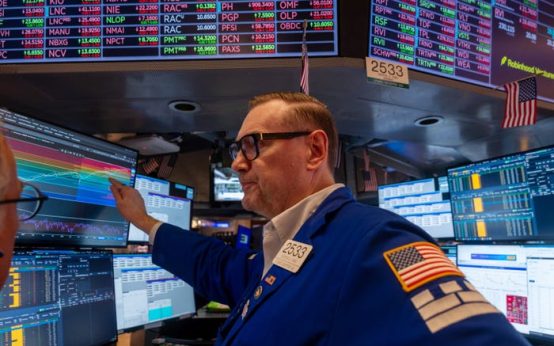 Insights on the Current Market Decline Affecting Tech and AI
 U.S. Stocks Face Steep Decline Amid Tech Sector Concerns