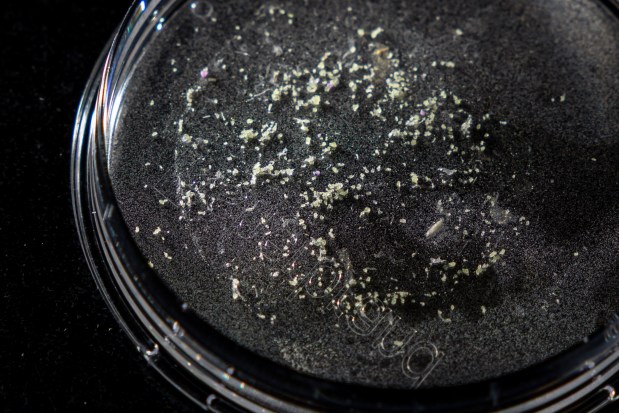
Melissa Duhaime, a University of Michigan biologist, has spent over a decade studying the spread of plastic pollution across the Great Lakes. Her research revealed alarming levels of waste and scarce solutions, challenging global corporations intent on increasing fossil fuel-based plastic production. Finding inspiration in ancient practices, Duhaime discovered flax as a viable alternative to synthetic fibers. Evaluating how flax could be spun into linen for clothing and used as a substitute for carbon fiber in automobiles, she sees potential for local economic growth and sustainable industry.
Flax was historically used by Americans and has ancient roots, notably in Mesopotamia, now Iraq. The stems not only provide nutritional seeds but are also a proven substitute for petroleum-based materials. Duhaime notes that interest is growing among both farmers and companies, signaling potential new manufacturing opportunities.
Efforts Against Plastic Pollution
Duhaime is part of a larger community including researchers, activists, and volunteers working to reduce plastic use and its environmental impact. Legislative attempts aim at state and global levels to curb production while innovators explore sustainable materials. Beach cleanups emphasize the cultural shift needed away from disposable products.
An overwhelming 8 billion tons of plastic waste exists globally, with the Great Lakes receiving significant pollution annually. Microplastics, smaller than rice grains, pose health risks, as they infiltrate environments and carry toxins. Despite industry resistance, the fight against plastic pollution continues with varied strategies including public cleanups and legislative efforts.
Innovating with Flax
Duhaime shifted her lifestyle by moving to a farm near Ann Arbor, Michigan. Here, she delves deeper into flax production for textiles and other applications. Her work led to a reconnection with old farming and textile methods, similar to the farm-to-table movement. The collaboration aims to revive flax as a sustainable staple in industries like automotive manufacturing.
In Europe, flax is gaining traction with companies like BMW and Volvo using it for eco-friendly automotive panels. The University of Michigan, together with Duhaime and others, pitches similar ideas to American automakers. The THREADS Natural Fibers Institute at Michigan promotes this regional initiative, envisioning a ‘fibershed’ that produces and uses natural fibers sustainably.
Duhaime’s efforts, along with allied groups in multiple Great Lakes locations, aim to reinforce economic ties through locally produced goods. Such endeavors face political challenges but offer potential benefits like reducing reliance on international systems and oil dependency.
Holding Manufacturers Accountable
Plastics manufacturers rarely face consequences for the environmental damage caused by their products. However, emerging laws, like those in Minnesota, attempt to impose producer accountability, requiring them to fund management programs. This “extended producer responsibility” concept reflects a shift towards sustainability.
Efforts to enforce these laws face resistance, with companies frequently challenging them legally. Yet successes are noted, like preserving Oregon’s plastics-reduction law, paving the way for more stringent regulations elsewhere.
Community Action and Education
Grassroots cleanups, such as those organized by the Alliance for the Great Lakes, effectively raise awareness and mitigate localized plastic pollution. Initiatives continue to educate public attitudes towards recycling and responsible usage of plastics.
Experimental interventions, like placing filters in washing machines, yield promising results by reducing plastic fibers entering water bodies. Despite industry pushback, proactive policies and consumer education remain crucial steps forward.
A Shift Towards Sustainable Alternatives
Individuals like Duhaime aim to innovate by forming companies focused on flax and natural materials, envisioning sustainable economic activities rooted in historical methods. Advocates in Wisconsin share this vision, exploring alternative crops with backing from local environmental councils and farming groups.
The momentum against plastic dependency echoes across community and political spheres in their quest for environmentally conscious living. Through historical wisdom and modern innovation, there’s an opportunity to transition into sustainable practices that benefit both local economies and the environment.
 El Niño’s Impact on Global Food Insecurity and Price Hikes
  Hurricanes in Pacific Threaten Southern California with High Surf and Coastal Flooding
  Potential Breakthrough in Permitting Reform
 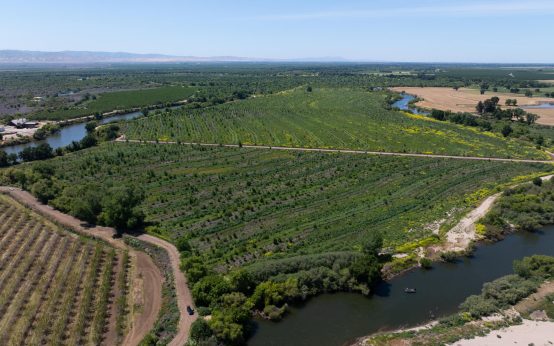 California’s Readiness for an El Niño Water Opportunity
 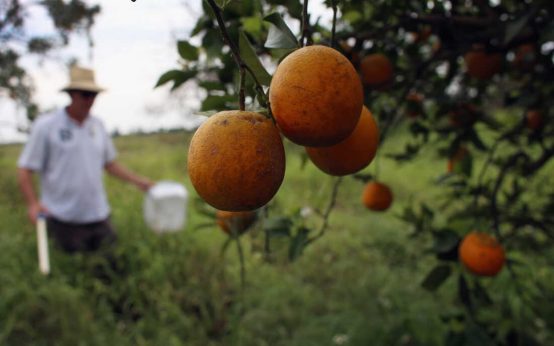 Florida Citrus Growers Use Gene-Editing to Combat Citrus Greening
 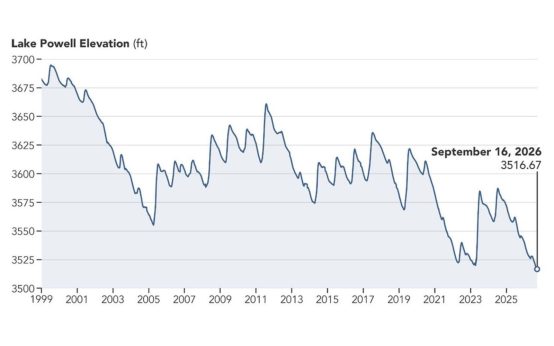 Satellite Images Reveal Lake Powell’s Dramatic Decline Over Nine Years