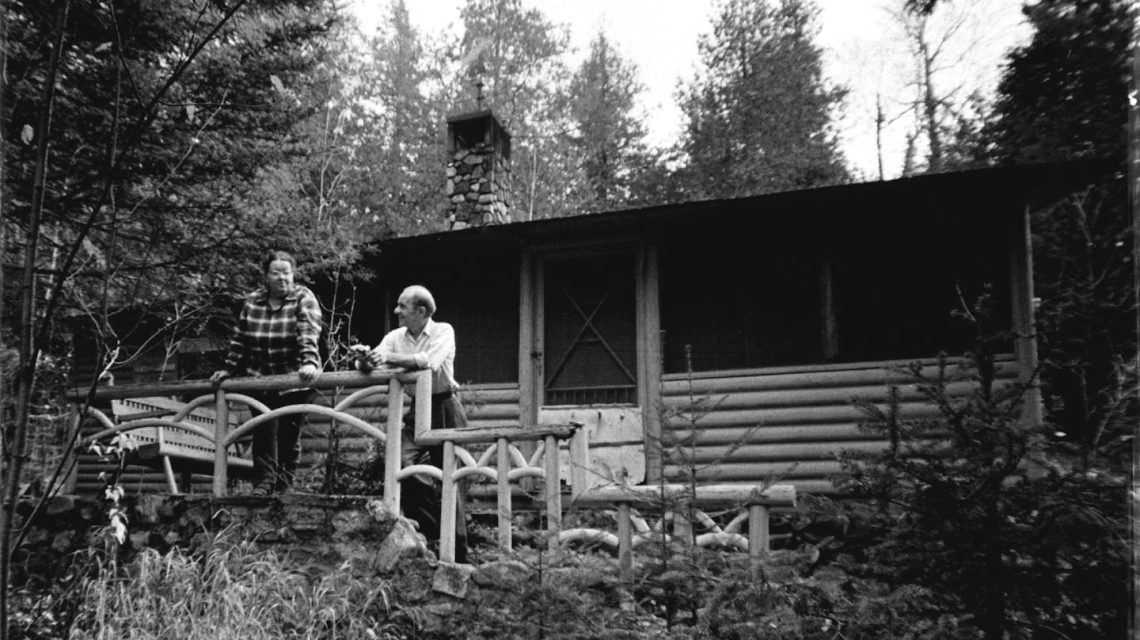
Helen Hoover, a prominent nature writer from the 1950s, continues to captivate audiences across Minnesota. Her detailed accounts of living in the boreal north and observing wildlife at the Gunflint Trail have sparked renewed interest, thanks to a recent biography.
The biography, titled “Her Place in the Woods” by David Hakensen, serves as a key source of this resurgence. Since its release, Hakensen has actively promoted Hoover’s work and legacy throughout the state. His goal is to rekindle interest in Hoover’s nature writing and encourage readers to explore her books.
Hakensen’s efforts have taken him to nearly 30 libraries and bookstores statewide, from Thief River Falls to St. Charles. During these events, he highlights Hoover’s unique contributions to nature writing. This revived interest is evident, as evidenced by a second printing of the biography, its recognition as a Minnesota Book Award finalist, and plans for an audiobook.
Library directors report waitlists for Hoover’s classic works, like “The Gift of the Deer” and “A Place in the Woods.” University of Minnesota Press has reprinted these titles, and their sales have doubled since the biography’s publication.
From Chicago to the North Woods
Hoover’s path to becoming a bestselling author involved a major lifestyle shift. Originally from Chicago, she and her husband, Adrian, purchased a basic cabin at Gunflint Lake in 1948. Their decision to leave city life behind and settle in northern Minnesota marked a significant change.
Initially unprepared for the wilderness, Hoover wrote humorously about their challenges in “A Place in the Woods.” Her ability to share relatable stories endeared her to suburban readers. Her articles appeared in prominent magazines like Reader’s Digest, and she even wrote for children’s publications like Humpty Dumpty magazine.
A Unique Perspective
Hakensen’s success in promoting Hoover’s work stems in part from libraries seeking authors willing to engage with the public. Her writing resonates with Minnesotan themes and interests. Additionally, her local ties contribute to heightened interest in areas like Grand Marais and Silver Bay.
In Park Rapids, for example, Hakensen spoke to a large audience, painting a vivid picture of Hoover as both a distinctive writer and an intriguing personality. Hoover’s scientific background in metallurgy influenced her precise and accurate writing style, which editors found appealing for its originality and insight.
A Different Approach
Unlike many contemporaries, Hoover didn’t hunt or fish. Instead, she formed connections with wildlife, naming and befriending animals like bobcats and ermines. This set her apart from other nature writers of her time.
Writer Mark Neuzil notes Hoover’s unique presence in the North Woods literary world. Unlike others, she and her husband embraced a lifestyle that was ‘off the grid.’ This deepened her mystique among both fans and fellow writers.
Hakensen’s research involved gathering first-hand accounts and stories about Hoover. Many described her as quirky and reclusive. Despite speculations, Hoover emphasized that they moved to Minnesota to embrace a new chapter in life, not to escape their past.
The revival of interest in Helen Hoover’s work highlights her enduring appeal and the curiosity surrounding her life in the North Woods.
 Ambassadorial Dinner with Canine Guests
 Gray Wolves Stir Controversy Over Wildlife Management
 Test Your Knowledge with the American Culture Quiz
 Exploring Life After Retirement through Podcasting
 Exploring the History of American Profanity
 Tyler Lundblade: Shooting Star with a Purpose