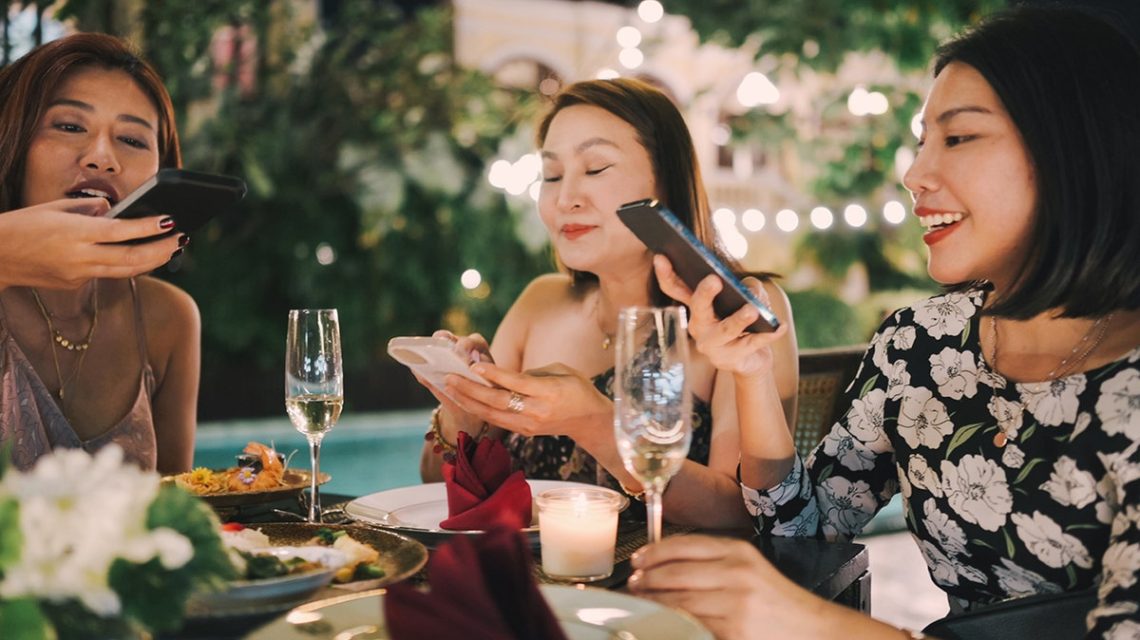
Cigarette smoke may no longer linger in restaurant dining rooms, but owners face a new distraction: customers glued to their phones. Many bars and restaurants are creatively encouraging guests to focus on the dining experience rather than screens.
Innovative Approaches in Restaurants
At Antagonist, a cocktail bar in Charlotte, North Carolina, patrons receive lockable pouches for their phones upon entry. This initiative stems from a desire to reconnect people, as devices are becoming the “new cigarettes” in dining settings, according to some perspectives.
“The goal is to bring back a little slice of human connection that we all feel has been lost with technology,” said Adam Horner, Antagonist’s general manager.
Similarly, The Saloon, a bar in Washington, D.C., bans phone usage entirely, reflecting a push against a bar culture that has grown insular due to smartphone distractions.
No-Phone Policies Gather Support
Eulalie, a bistro in Manhattan, prominently states its no-phone policy both at the entrance and on handwritten menus. Co-owner Tina Vaughn notes the policy’s appeal among diners. “People want an excuse,” she explained. “They’re dying for someone to say, ‘You can get off that. It’s OK.’”
Hop Sing Laundromat in Philadelphia enforces a no-calls, texting, or photos policy as part of its speakeasy approach. Despite criticism on enforcing such rules, other establishments pursue subtler strategies.
Alternative Measures and Enthusiastic Reception
The Edge Harlem in New York City refrains from offering Wi-Fi and encourages patron interaction over screens. Across the Atlantic, establishments like London’s Spy Bar use stickers over phone cameras, and AI Condominio in Verona, Italy, provides free wine to those who hand over their phones pre-meal.
These approaches prevail most often in high-end experiences but are seen in major chains experimenting with device limitations. Chick-fil-A, for instance, has initiated a “Cellphone Coops Challenge” at select locations, exchanging phone-free meals for free ice cream.
Impact on Dining Experience
The widespread use of phones—capturing food photos, making calls, and accessing social media—can interrupt service flow, noted mixologist Sanwar Mal Khokhar. While some hospitality professionals deem flash photography and intrusive filming disruptive, they acknowledge that quick photos or checking a message are modern norms.
“Taking a quick photo of the drink or food is fine,” Khokhar asserted. “I think all these things are part of modern life.”
Despite arguments for a universal phone ban, Khokhar favors voluntary phone-free initiatives or screen-free areas, with incentives for those participating.
Industry Opinions on Device Regulation
Rachael Barclay, founder of Seattle-based Vantage, views phone overuse as a “societal problem” rather than exclusive to restaurants. While she concurs phones impact bar atmospheres, she warns against extreme measures like lockable pouches.
“A locked pouch is the opposite of hospitality,” Barclay argued.
Khokhar echoed this sentiment, urging the promotion of conversation without constant notification checks, which could enhance food observation.
Phone use remains ingrained in the dining experience, highlighting the diversity in approaches by restaurant operators.
 Annual Tribune Holiday Cookie Contest Celebrates 40 Years
  How Dog Ownership May Extend Your Lifespan
  Reviving Human Interaction in Restaurants Amid AI Advancements
  Living with Alzheimer’s: A Young Man’s Journey
  Sunday Screencaps: Transitioning from Summer to Fall and Showcasing Reader Contributions
  Finding the Perfect Sports Bar Experience