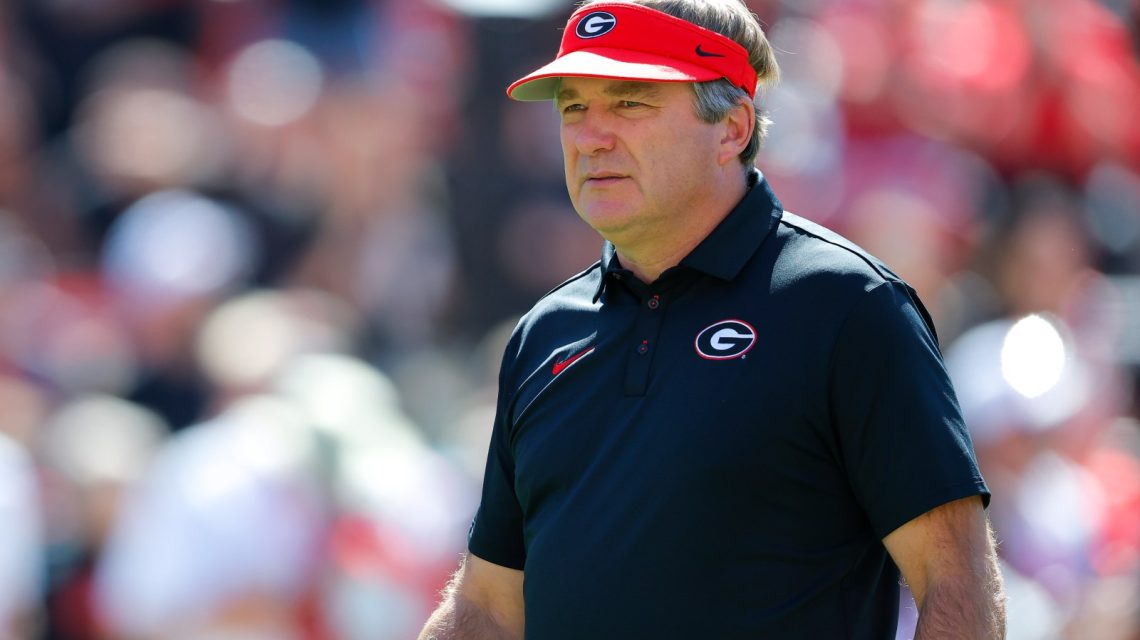
The SEC Championship Game, held annually since 1992, will have its final run on December 5 at the Mercedes-Benz Stadium in Atlanta. This change marks the end of a 35-year tradition. The decision coincides with the College Football Playoff management committee’s approval of a 24-team playoff starting in the 2027-28 season.
The expanded playoff system comes alongside a new media rights deal with ESPN valued at $1.7 billion. Under this arrangement, ESPN gains broadcasting rights for all 23 games. The new schedule means an end to conference championship games, including the SEC Championship.
Despite previous commitments to hold the game in Atlanta until 2031, the playoff expansion prompted a shift in plans. SEC commissioner Greg Sankey indicated the inevitable change in scheduling due to the 24-team playoff format.
Georgia’s coach, Kirby Smart, spoke on Monday, acknowledging the shift as expected. He remarked, we all kind of knew
about the impending change once the new playoff proposal was in motion. For Smart, the game’s historic significance, its location, and the venue’s quality stand out. However, he emphasized adapting to changes over time.
“Times, they are a-changin’. And as they change, you’ve got to adapt with it.” – Kirby Smart
The SEC Championship originally debuted at Legion Field in Birmingham, with Alabama defeating Florida 28-21. It moved to Atlanta in 1994 and has been a crucial platform for SEC teams, contributing to national championships. Under Smart, Georgia has clinched the title four times in 2017, 2022, 2024, and 2025. Currently, Georgia holds an 8-1 record and tops the AP poll standings, leading to high expectations for this season.
The decision to end the SEC Championship makes logistical sense with a 24-team field, leaving no room for additional games. However, this decision is met with resistance from fans. Critics argue that increasing the field size could dilute regular season matches and impose more burdens on players. Nick Saban and others have voiced preferences for a 16-team format, citing financial incentives and tradition as points of contention.
The discontinuation of one of college football’s marquee events will be felt deeply, as fans and teams grapple with the loss of long-standing traditions.
 Minnesota Vikings Consider Trades for Quarterback Options
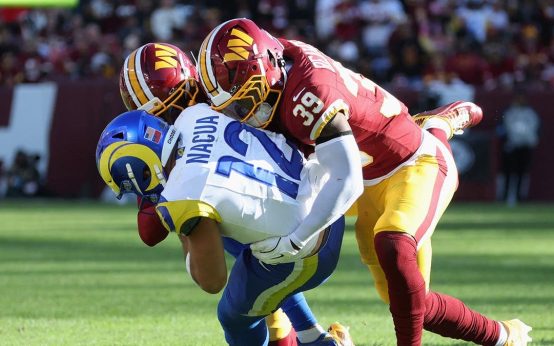 Los Angeles Rams Face New Challenges with Puka Nacua’s Injury
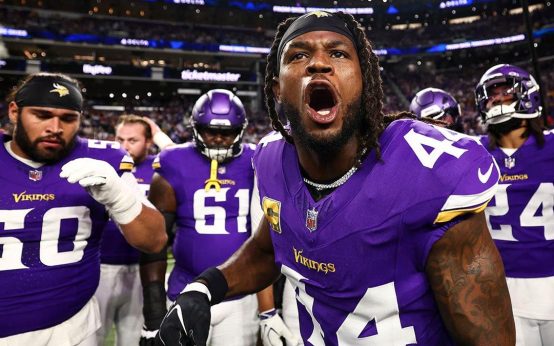 A Night to Remember at U.S. Bank Stadium: Vikings vs. Bills
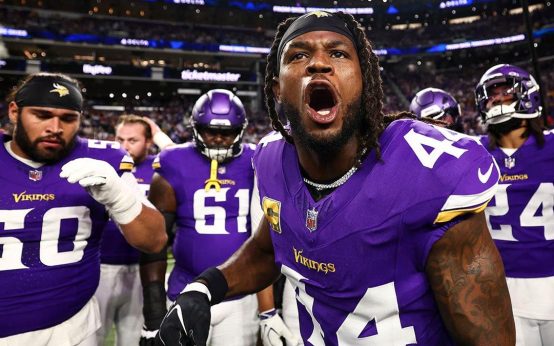 Minnesota Vikings Honor Troops and Celebrate Adrian Peterson
 Jaguars Make Strategic Trades to Bolster Defense for Super Bowl Run
 Philadelphia Eagles Face Turbulent Season