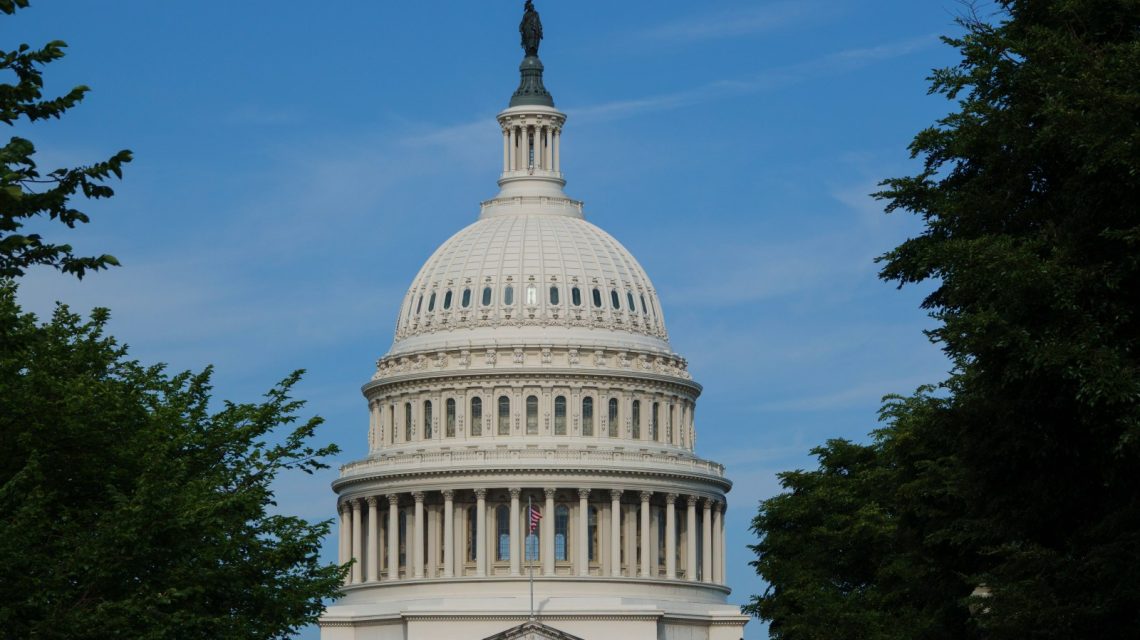
The Senate recently approved a short-term funding bill with a 90-6 vote, which aims to keep the federal government operational until December 11. This decision effectively moves the threat of a government shutdown beyond the November midterm elections.
The Senate bill, known as a continuing resolution, temporarily extends current federal funding levels instead of establishing fiscal 2027 appropriations for the whole year. The legislation, pending reconciliation with the House version that extends until December 4, includes provisions negotiated by lawmakers.
Key Provisions of the Senate Bill
The bill generally maintains existing funding levels, allowing more time for Congress to negotiate the necessary appropriations bills. While most funding levels remain unchanged, the bill includes notable exceptions and policy directives:
- A provision sought by Democrats restricts the transfer of funds to the Border Patrol, aiming to limit the Trump administration’s flexibility in redirecting money toward border security.
- Adjustments in funding for housing and food assistance programs are incorporated, as reported by Reuters.
- The bill postpones implementing a national ban on intoxicating hemp products by one month, which has stirred debate among Republicans.
- Temporarily blocks a White House rule that would give executive branch appointees more control over federal grant distribution, a move supported by Democrats and some Republicans, according to The Hill.
This proposed rule demands political appointees review grants to ensure they align with the President’s policy objectives, a change that Democrats argue could politicize grant distribution. The Office of Management and Budget claims it intends to enhance accountability and reduce potential misuse of taxpayer funds.
Senators Opposing the Bill
The bill faced opposition from six senators, consisting of three Democrats, two Republicans, and one Independent:
- Bill Cassidy (R-La.) – Serving since 2015, Cassidy emphasizes healthcare, fiscal policy, and government spending.
- Tim Kaine (D-Va.) – Virginia’s senator since 2013, involved in economic and foreign policy issues.
- Ed Markey (D-Mass.) – Known for his stance on climate change, clean energy, and technology regulation.
- Rand Paul (R-Ky.) – Focuses on reducing federal expenditure and limiting government power.
- Bernie Sanders (I-Vt.) – Advocates for increased wages, healthcare expansion, and more taxes on wealthy entities.
- Elizabeth Warren (D-Mass.) – Concentrates on financial regulation and consumer rights.
Newsweek contacted these senators for comments via online forms or email after the vote.
Implications for Midterm Elections
Extending government funding through December 11 eliminates the immediate risk of a shutdown before the November 3 midterm elections. Senate Majority Leader John Thune has encouraged lawmakers to finalize the agreement promptly to avoid complications during campaign season.
Next Steps for Legislation
The Senate’s decision alone does not prevent a shutdown, as the House has passed a differing resolution. If Congress reconciles these differences and the President signs the legislation, federal agencies will remain funded, preventing a shutdown before the midterms. However, the December deadline will likely prompt another spending debate post-election, requiring new appropriations or another provisional extension.
 Randy White Endorses Ken Paxton in Texas Senate Race
  Senate GOP Pushes for Voter ID and Data Center Regulation
  Trump Announces New Federal ‘Super Intelligence Force’
  Analysts Predict Democratic Gains in Upcoming Midterm Elections
  A New Chapter for Britain’s Economy: Analyzing Andy Burnham’s Promises
 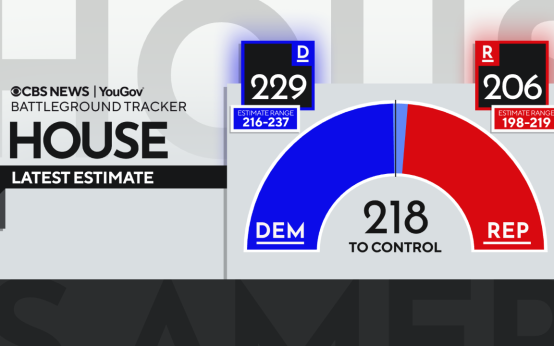 Key Insights from CBS News House Model Estimate on Midterms