Senator Kennedy’s Opposition to the Agreement
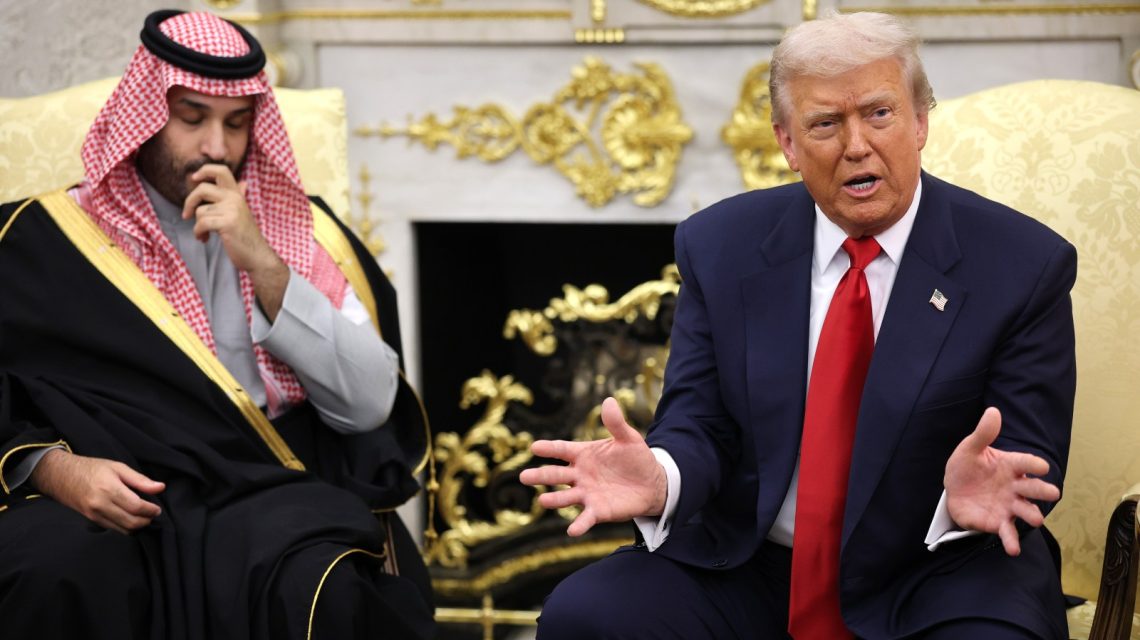
Republican Senator John Kennedy expressed discomfort with the Trump administration’s newly announced civilian nuclear agreement with Saudi Arabia. His concerns offer a rare public skepticism from within the president’s own party. Kennedy’s comments come as lawmakers prepare to review the deal following President Donald Trump’s announcement and the addition of a new condition requiring Saudi Arabia to normalize relations with Israel. This requirement has already drawn criticism from Democrats, raising questions concerning how the deal will withstand congressional scrutiny.
Kennedy’s Reasons for Rejection
During an appearance on CBS News’ Face the Nation, Kennedy responded bluntly when asked about his comfort with the agreement. He stated, “No. Maybe someday, but not right now.” Kennedy argued that pursuing a Saudi nuclear agreement while the US is at war with Iran sends a contradictory message. “We’re bombing a country to keep them from getting a nuclear weapon, but we’re signing a deal with another country,” he said. This duality concerns Kennedy despite the deal being termed a commercial agreement. He emphasized the world’s precarious state, indicating global focus on nuclear deterrence amid instability in various regions.
Support and Criticism from Different Angles
Kennedy normally supports Trump’s foreign policy, using the same interview to defend the administration’s stance on Iran. He rejected calls to end US involvement in the conflict, arguing for continued pressure on Iran through sanctions and other measures. His criticism contrasts with Democratic opposition, which largely targets the administration’s negotiation handling. Kennedy’s focus remains on timing rather than the concept itself.
Framework of the Agreement
The recently announced agreement sets the foundation for civilian nuclear cooperation between the US and Saudi Arabia, pending congressional approval. Supporters argue the deal would strengthen strategic ties with an important Middle Eastern partner, creating business opportunities for American firms in Saudi Arabia’s planned nuclear sector. Participation may also provide Washington greater influence over Saudi nuclear development.
Nonetheless, fears persist about Saudi Arabia’s nuclear program potentially shortening the path to a nuclear weapon. Concerns link back to Crown Prince Mohammed bin Salman’s past statements about seeking a bomb if Iran acquires one. This history contributes to heightened scrutiny in Washington.
Trump’s Israel Condition Enhances Complexity
Political debate intensified as Trump introduced a new condition to the agreement shortly after its unveiling — requiring Saudi Arabia to join the Abraham Accords and normalize relations with Israel. This requirement raises doubts about the agreement’s progression given Saudi Arabia’s historical stance on relations with Israel. Riyadh maintains that normalization necessitates significant progress toward Palestinian statehood. Recent discussions hint at closer ties, but ties remain tethered to Palestinian issues.
Kennedy expressed doubt about meeting this condition, suggesting the new requirement could be a major obstacle, even to fellow Republicans.
Comparative Critiques from Van Hollen
Democratic Senator Chris Van Hollen offered criticism from another angle, targeting the administration’s handling of the negotiations. He accused the Trump administration of changing terms after the agreement was announced, creating a “bait-and-switch” scenario for Saudi Arabia. Van Hollen’s arguments highlight whiplash in US-Saudi relations following the sudden introduction of political conditions.
Unlike Kennedy, Van Hollen does not primarily question Saudi Arabia’s eligibility for nuclear assistance. Instead, he challenges the sudden alteration of political frameworks surrounding the agreement post-announcement.
Potential Congressional Hurdles
The combination of Kennedy and Van Hollen’s criticisms underscores challenges the administration faces as the agreement approaches congressional review. Kennedy focuses on the timing and strategic reasoning, while Van Hollen targets the unexpected addition of conditions. Such opposition complicates matters since Kennedy supports Trump’s broader Iran strategy, and Democrats remain critical of the administration’s negotiation approach.
Congressional review will examine both nonproliferation aspects and broader strategic implications. While the administration claims the agreement strengthens partnerships and influence, emerging debates question pursuing a civilian nuclear agreement with Saudi Arabia amidst central nuclear proliferation concerns related to Iran. The political climate poses a unique challenge, making what was intended as a diplomatic achievement challenging to promote in Capitol Hill.
 Trump Pressures Senate Republicans to End Filibuster to Prevent Democratic Dominance
  Jared Golden Endorses Mike Lawler for Re-election
  Data Centers and Their Role in the Midterm Election
  Jewish Democrats in Michigan Show Support for GOP Candidate
  Mayor Mamdani and President Trump Discuss Housing and Immigration in NYC Meeting
  MAGA Movement Gains Popularity Over Socialism Amid Democratic Party Debates