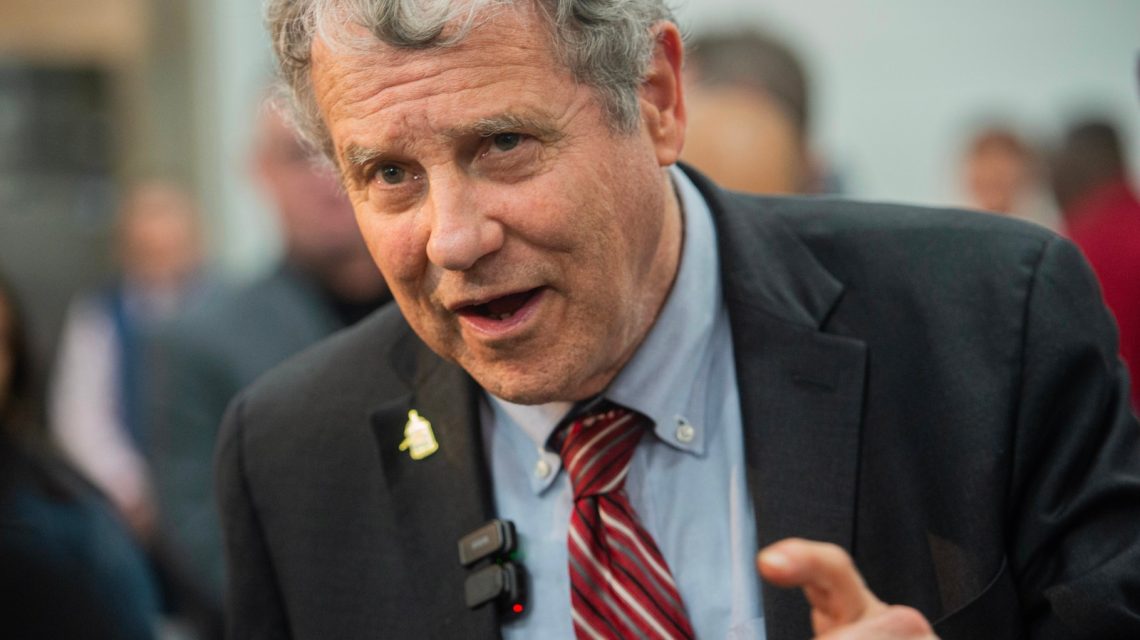
Democrat Sherrod Brown holds a slight polling advantage in the Ohio U.S. Senate race as the November 3 midterm elections approach. This stands against the backdrop of Ohio’s decade-long move to the right. Democrats aim to challenge this trend in the Buckeye State.
Ohio once served as a key battleground, with Barack Obama securing wins in both 2008 and 2012. However, recent cycles show a conservative trend, highlighted by Donald Trump’s 11-point victory in 2024. Brown, who first joined the Senate in 2006, failed in his 2024 reelection bid against Republican Bernie Moreno. Despite past successes, Ohio’s conservative shift proved too strong against national influences.
Sherrod Brown’s Campaign Strategy
Brown seeks to retake his seat by unseating Senator Jon Husted, appointed to replace Vice President JD Vance. This race is highly competitive. Some signs offer Democrats optimism. Brown leads in polls and fundraising, while Trump’s declining approval ratings present challenges for Republicans in tight races. A victory for Brown would disrupt the trend of Ohio’s increasing conservatism.
Robert Alexander, political science professor at Bowling Green State University, noted Ohio’s populist nature over strict partisanship. Brown’s well-known populist message resonates with union households, rural voters, and independents. Economic populism and anti-corporate sentiment align with many voters’ concerns. A backlash against data centers in Ohio emphasizes these issues, with voter attitudes significantly influenced by candidates’ positions.
Brown’s campaign reported to Newsweek via email along with Husted’s, offering insights on the ongoing race.
Polling Trends and Fundraising
Days from Election Day, Brown maintains a slight polling lead, although projections label the race as a toss-up. RealClearPolitics’ average showed Brown leading by 3.1 points, signifying a potential 15-point shift since the 2024 presidential election. A New York Times/Siena University poll indicated a 3-point edge for Brown, polling 616 likely voters with a 4.5-point margin of error. A Suffolk University poll similarly showed Brown up by 3 points with 500 likely voters polled, and a 4.4-point margin of error.
Historically, Ohio polls have underestimated Republican strengths. In 2024, Trump outperformed poll projections, securing an 11-point victory. Brown’s campaign significantly outpaced Husted in fundraising. The Friends of Sherrod Brown committee raised over $14 million in the second quarter, while affiliated committees added another $3 million. By comparison, Husted’s resources amounted to $7.7 million across various committees.
Ohio’s Rightward Shift
Ohio’s shift to the right over recent years is underscored by Trump’s sweeping win in 2024—the largest Republican margin in decades. While once supportive of Democrats, Ohio has shifted with Trump appealing to white working-class voters, reinforcing rural and northeastern support. Meanwhile, Democrats saw gains in Columbus and Cincinnati suburbs, but not significant enough to offset rural Republican dominance.
Should Brown win, his strategy will rely on forming a new coalition, according to David Niven, professor at University of Cincinnati’s School of Public and International Affairs. Traditional industrial bases hold less sway, with Democrats eyeing suburban growth in areas like Delaware County, known for affluent and educated demographics.
Alexander highlighted the necessity of narrowing Republican margins among rural voters. In recent elections, rural Ohioans favored Republicans heavily, which has only grown under Trump’s influence.
Can Sherrod Brown Reverse the Trend?
Brown’s candidacy tests the Democrats’ ability to regain traction in Ohio—a state that was once crucial in national swing state politics. Brown’s 2024 results hint at existing strength in the state.
According to Alexander, Brown excelled compared to Kamala Harris in 2024, narrowing the defeat margin. Brown’s cross-party appeal drew significant Trump-Brown voters, showcasing his potential in a polarized environment.
The absence of Trump from the ballot presents a dynamic shift. Trump’s declining popularity could influence independent voter turnout beneficially for Brown.
Focus on AI Data Center Concerns
Ohio’s Senate race spotlights AI data centers as a key issue. Brown criticized Husted’s previous support for center developments, challenging tax breaks under past projects. Husted’s efforts to regulate through the Ratepayer Protection Act faltered, prompting Democrats’ critique for insufficient measures. Husted’s AI stance receives mixed reviews on Newsweek’s AI Policy Scorecard.
Brown frames himself as an opponent of unchecked data center growth, focusing on corporate accountability. This stance may appeal to voters concerned over utility costs and political corruption ties.
Niven suggests this clear opposition may enhance Brown’s appeal. He highlights Brown’s linkage of Husted to political controversies, including a bribery case involving increased utility costs.
Implications for 2026 Midterms
Ohio’s Senate race is a pivotal contest that could shift Senate control. Republicans hold a 53-47 majority. For Democrats to secure a majority, they must flip at least four seats, factoring in Vice President JD Vance’s tiebreaking role.
Two of these seats must come from Trump-stronghold states, elevating Ohio’s importance. A Brown victory would simplify the path to a Senate majority, while a Husted win exerts pressure on other close contests.
This closely watched race remains integral to both parties’ strategies for November.
Ohio’s Senate race continues to hold significant importance in determining the balance of power in the Senate. It remains a critical focus leading up to the 2026 midterm elections, with both Democratic and Republican parties recognizing its implications.
 Trump’s Surprising Suit Choice Sparks Discussion
  Speculation Rises as Trump Hints at ‘Big Surprises’ Ahead of Midterms
  Sullivan’s 2026 Senate Battle Faces New Challenges
  White House Clarifies Trump’s Stance on PSA Ad Funding
  Sen. Thom Tillis on GOP’s Midterm Challenges
  Federal Judge Blocks Trump Administration’s Migrant Fines