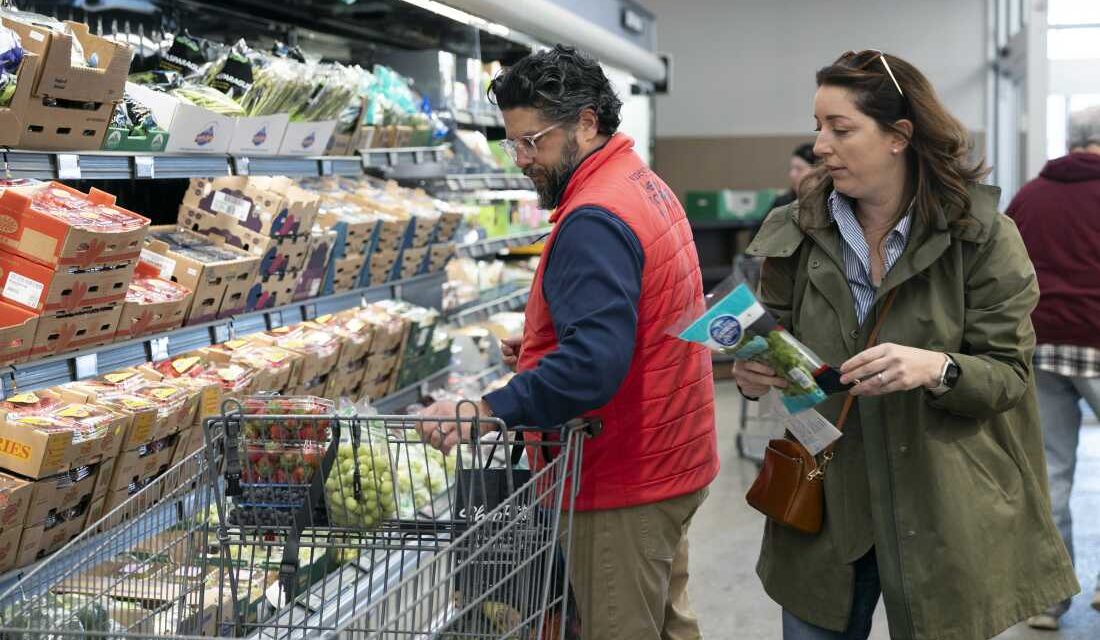
Rich Henderson and his wife, Rachel Negro-Henderson, shop for groceries at Aldi in Bellmawr, N.J. Amid changing economic circumstances, many families like theirs are seeking ways to manage food expenses. Rachel began frequenting Aldi during the pandemic, initially reluctant, but now embracing the savings.
During the pandemic, when Rich lost his job as a crew coach, Rachel turned to Aldi, even facing awkward encounters with acquaintances. Initially hesitant, many now openly discuss their choice, emphasizing money saved and product quality. Negro-Henderson, residing in Audubon, N.J., with her family, reflects on this shift.
Food prices have surged recently. Influences include COVID-19 related food insecurity, inflation, tariffs, and strategies like shrinkflation. Grocery prices have become a significant concern, reflected in shifting consumer behaviors.
According to Phil Lempert, a grocery industry analyst, many customers express frustration over rising food costs. Due to economic pressures, there’s a clear move toward budget stores and warehouse clubs. Social media reflects this shift, highlighting budget-friendly meals using ingredients from Aldi or Costco.
Discount Grocery Stores’ Strategy
Lempert explains that budget grocers maintain low prices through smaller stores, fewer items, small staff, and greater efficiency. Examples include strategies like Aldi’s method of displaying items directly in shipping boxes.
European brands like Aldi and Lidl have expanded in the U.S., drawn by consumer demand. Aldi reported adding 17 million new U.S. customers last year, opening about 200 new stores. Warehouse clubs like Costco also offer competitive prices. Costco’s famous deals, like the $1.50 hot dog and soda or the $4.99 rotisserie chicken, illustrate its pricing strategy. In March, Costco reported net sales of $28.41 billion, showing significant growth.
Recent Consumer Reports data supports these claims. Aldi and Lidl’s prices are 8% lower than Walmart. BJ’s Wholesale Club prices were 21% cheaper, with Costco at 21.4% lower.
The Drawbacks of Budget Grocery Stores
There are limitations to budget shopping. Stores like Aldi offer fewer product varieties. Rachel Negro-Henderson, though a loyal Aldi shopper, still buys some items, like specialty meats, elsewhere. Despite these limitations, many shoppers feel the quality remains consistent.
Rich and Rachel appreciate Aldi’s affordable, GMO-free store-brand items. Over 90% of Aldi’s products are store brands, which they find to meet their quality expectations.
Trends in Budget Cooking
Budget-focused cooking has become popular on social media. Creators like Kiki Rough share recipes designed to stretch a grocery budget. Rough’s content emerged from personal experiences with food insecurity, illustrating how diverse groups face food cost challenges.
Lempert anticipates continued focus on frugal grocery shopping, driven by changing consumer habits. A survey by AlixPartners indicates that most expect to maintain or increase food spending, prioritizing price-conscious shopping and avoiding impulse buys. Consumer Reports data highlighted that Aldi and Lidl maintain competitive pricing, echoing these trends.
Lempert notes that today’s consumers increasingly rely on shopping lists and online comparisons to save on groceries. Millennials and Gen Z shoppers prioritize price over traditional supermarket aesthetics. This represents a lasting change in shopping preferences.