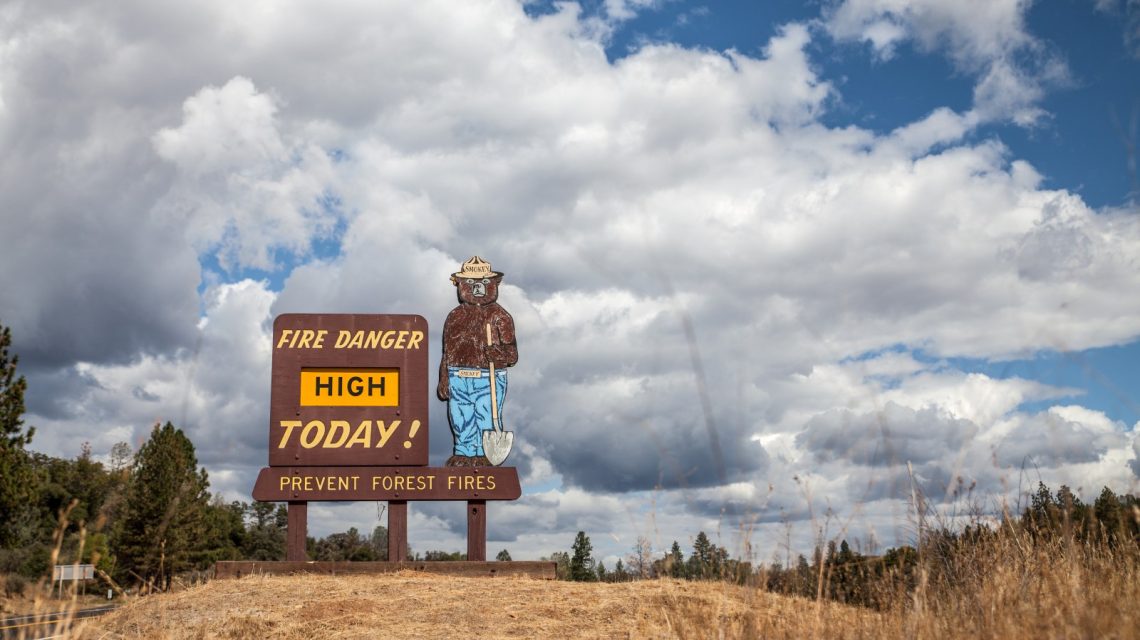
Smokey Bear, once a respected figure in conservation, urged the prevention of wildfires with his famous message: “Only you can prevent wildfires.” This contrasts sharply with former President Donald Trump’s interpretation, suggesting increased logging as a wildfire prevention measure.
The Trump administration aimed to shift the focus of national environmental priorities from conservation to exploitation. Logging served as a key example. Plans were announced to boost logging by 25%. Efforts were made to repeal the “roadless rule,” protecting 45 million acres of untouched forest. Environmental regulations were rolled back, replaced by diluted fast-track rules benefiting loggers and miners. The Public Lands Rule, ensuring conservation was treated equally with commercial use, was rescinded.
Trump’s rationale claimed logging prevented forest fires; however, reducing forest size and creating fire breaks through logging remained contentious. Studies suggest that human negligence sparks forest fires. Increased human presence and logging tend to escalate fire risks.
Another overlooked element in the debate on Trump’s actions with public land pertains to legal distinctions. The federal government owns extensive lands, with the Bureau of Land Management overseeing 245 million acres, now subjected to diminishing protection. Specially protected federal lands include 52 million acres designated as “national parks.” Legal constraints require these lands to remain “unimpaired for the enjoyment of future generations.” The Trump administration’s attempts to develop and exploit these lands, such as privatizing parts of Yosemite or expanding structures in Big Bend National Park, conflict with legal protections.
One stark example occurred in the U.S. Virgin Islands National Park. Laurence Rockefeller donated land to the federal government, with promises it would remain in its “natural state.” Trump later opened 150 acres to development, disregarding prior commitments. Limits on guest room numbers were removed, historic areas were commercialized, and local business prioritization was abandoned.
Environmentally concerned citizens, including the author, rallied against these actions, emphasizing rule of law adherence. The National Park Service Environmental Assessment opposed the adopted development plans, reflecting irrational administrative procedures contrary to conservation mandates.
Historically, Republican presidents endorsed conservation. Theodore Roosevelt championed national parks, setting a precedent followed by others like Dwight D. Eisenhower and Ulysses S. Grant. Smokey Bear, alongside Johnny Horizon from the Bureau of Land Management, encouraged public respect for lands owned collectively.
Thomas G. Moukawsher, a former Connecticut complex litigation judge and author, advocates for simplicity and government accountability, urging a return to respectful stewardship of public lands.
 Data Centers Spur Economic Opportunity Amid Local Concerns
  California’s Electric Vehicle Journey Amid Political Challenges
  Trump Orders Review of Gray and Mexican Wolf Protections
 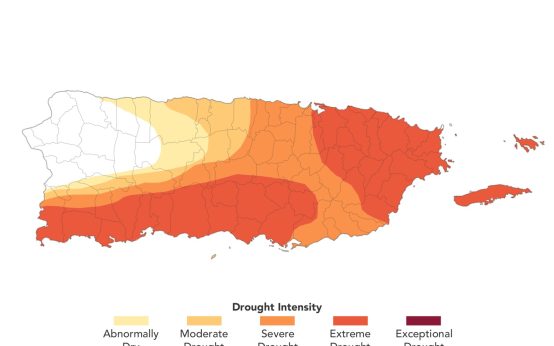 NASA Map Highlights Drought Conditions in Puerto Rico
  El Niño Intensifies, Impacts Likely Worldwide
 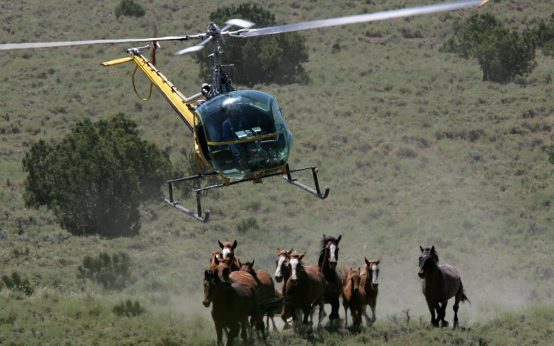 Advocacy Group Raises Concerns Over Wild Horse Roundups in Western U.S.