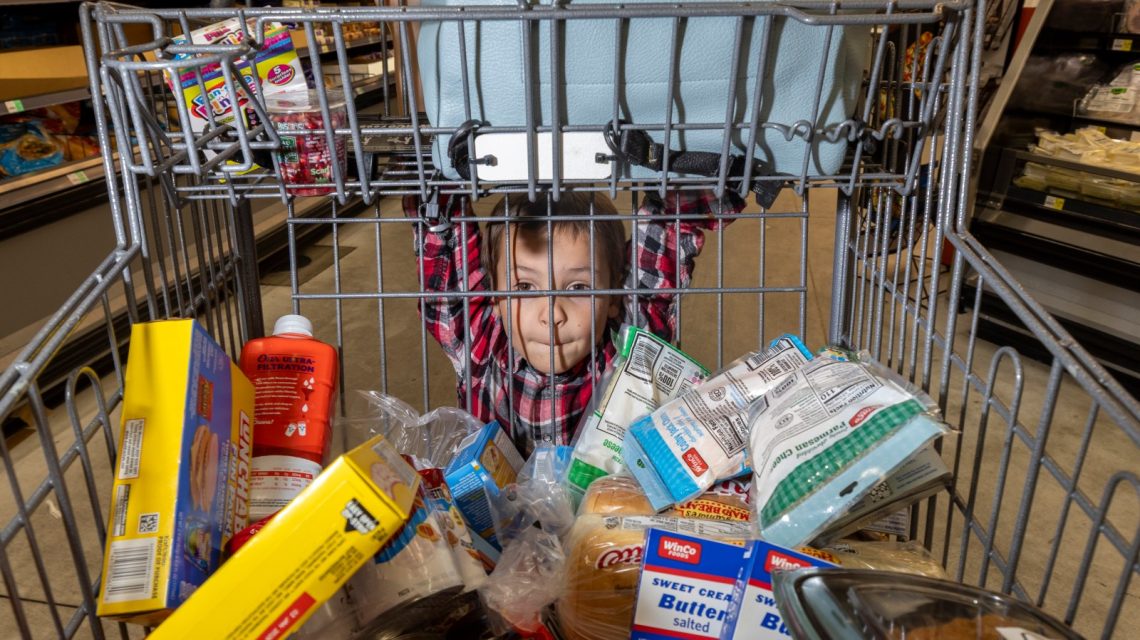
A recent analysis by the Center on Budget and Policy Priorities (CBPP) reveals that over 1 million children in 19 states have lost Supplemental Nutrition Assistance Program (SNAP) benefits since the passing of the One Big Beautiful Bill Act (OBBBA) in July 2025. The study highlights the significant decline in SNAP enrollment nationally, with U.S. Department of Agriculture (USDA) data showing a decrease from approximately 42 million participants in early 2025 to just over 37 million by April 2026. This drop includes a substantial number of children losing access to assistance.
Enrollment Declines
The CBPP analysis indicates that children have been substantially impacted, with more than 1.06 million losing eligibility in the 19 states it surveyed. SNAP, known colloquially as food stamps, provides monthly assistance to low- and no-income households for purchasing food. It remains the largest food aid program in the United States.
Specific State Data
Overall SNAP participation fell by almost 2.44 million people in these 19 states, representing a 12 percent drop since the law’s implementation. Of these, children comprised more than 1.06 million of the total, marking a 13 percent decrease in child participation.
In Texas, total SNAP recipient numbers decreased by 597,353, including 317,316 fewer children. Children represented 53 percent of the overall state decline.
Arizona faced the largest percentage drop in participation; overall numbers fell by 48 percent, and child enrollment decreased by 49 percent. This accounted for 182,058 fewer children receiving support, making up 42 percent of the state’s total drop.
California recorded a loss of 333,062 participants, including 156,440 children, indicating that children accounted for 47 percent of the overall decline.
In Louisiana, overall participation declined by 21 percent, with a 23 percent fall in child enrollment. Children made up 48 percent of the overall reduction.
Other states like Alabama, Arkansas, Kansas, Maine, Michigan, Missouri, Ohio, and Pennsylvania experienced enrollment decreases between 7 and 13 percent. New Jersey saw children representing 61 percent of their losses, while South Dakota followed with 57 percent, New Mexico with 56 percent, and Texas with 53 percent.
Pennsylvania reported children accounting for 28 percent of the overall losses, followed by Alabama and Maine with 29 percent.
Factors Behind the Decline
The drop in participation follows major policy changes in SNAP under the OBBBA, also known as H.R. 1. Changes included expanding work requirements to adults up to 64 and narrowing caregiver exemptions. This required many parents with older children to meet work or training requirements to retain SNAP benefits. Exemptions for veterans, homeless individuals, and former foster youth were also removed.
The USDA spokesperson stated, “SNAP is a means-tested, appropriated entitlement. If a household is eligible, they receive the benefit, but they face recertification requirements.”
Future Participation Trends
The CBPP warns that changes to SNAP funding could exacerbate participation declines. The 2025 Republican reconciliation law shifted costs to states, based on their payment error rate. This financial burden on states may lead to reduced access for children needing assistance.
The USDA emphasized the importance of accountability with states issuing erroneous benefits, describing such discrepancies as program waste. Yet, economic conditions don’t fully explain the reduction in participants. Indicators such as steady unemployment, declining real wages, high food insecurity, and increasing grocery costs suggest broader systemic issues.
 Calls Grow for Ireland’s Soccer Team to Boycott Matches Against Israel
  Congressman Randy Fine’s Bold Political Stance and Views on AI Regulation
  Political Messaging and Strategy Leading Up to Midterms
  President Trump Proposes ‘Super Intelligence’ as New AI Term
  Trump Administration Considers Diesel Export Ban Amid Rising Prices
  Texas Senate Race Tightens with Shifting Youth Support